
Perfume in the Middle East isn’t just a fragrance; it’s a lifestyle, a tradition, and often, a statement.
If you’ve ever walked into a bustling souq in Riyadh or wandered through the luxury malls of Dubai,
you know that the scent culture here is unique, rich, and deeply rooted in history.
From oud and attar oils to niche and luxury brands, the Middle East has carved a global reputation in the perfume world.
Let’s dive into this aromatic journey and explore everything you need to know about perfumes in this fascinating region.
Understanding Middle Eastern Perfume Culture
Middle East perfume culture is unlike any other.
Here, scents are more than just an accessory; they’re a reflection of heritage and personal identity.
Fragrance is deeply intertwined with Arabic traditions, social rituals, and daily life. Saudi fragrance culture often includes layering perfumes, starting with oud or attar oils and finishing with lighter floral or citrus scents.
Arabic attar oils, natural essential oils, are a key component of this layering technique.
They are alcohol-free and can be worn directly on the skin, providing long-lasting fragrance.
Perfumes are also considered a form of hospitality; offering scented oils or perfumes is a gesture of respect and warmth.
Key Types of Arabian Perfumes
If you’re new to Middle Eastern scents, it helps to understand the types of Arabian perfumes you’ll encounter:
Oud Perfume
Known as “liquid gold,” oud is derived from the resin of the agarwood tree.
Its warm, woody, and slightly sweet aroma makes it the heart of Middle Eastern perfumery.
Attar Perfume:
Concentrated natural oils extracted from flowers, spices, and herbs. Attars are often alcohol-free, making them ideal for those seeking pure, long-lasting fragrances.
Bakhoor & Incense
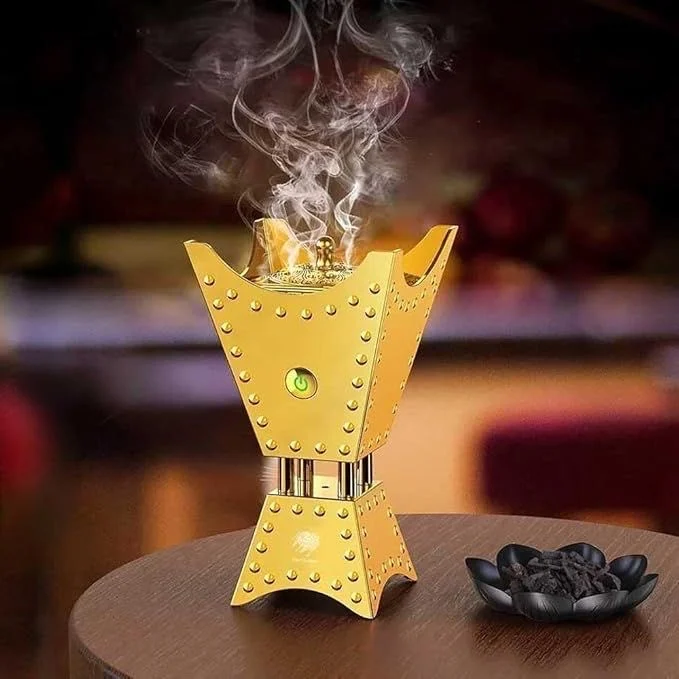
While technically not worn on the body, bakhoor (wood chips soaked in fragrant oils) is used in homes and special occasions to spread signature scents.
We have also written and article about the most important brands in the Middle East which you may find interesting.
Modern Eau de Parfums
International-style perfumes infused with Middle Eastern notes like saffron, amber, and oud. Brands are blending tradition with contemporary trends.
Popular Perfume Brands in the Middle East
Middle Eastern niche perfumes and also mass market brands are growing rapidly in recognition and appeal.
While you’ll find global luxury brands, regional players have a unique edge in their authentic use of local ingredients.
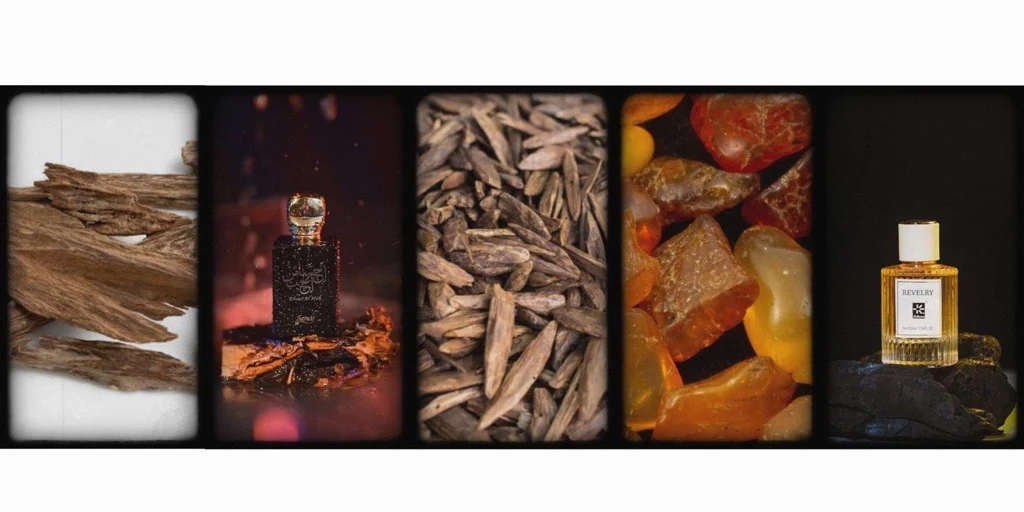
Armaf Perfumes: Armaf is part of the Sterling Perfume Company portfolio and is widely recognized in Saudi Arabia and the UAE. While it is one of their higher-quality brands, it is still considered to be a mass-market brand.
Armaf blends classic European-style fragrances with Middle Eastern nuances, often incorporating oud, amber, and musk, all at competitive prices.
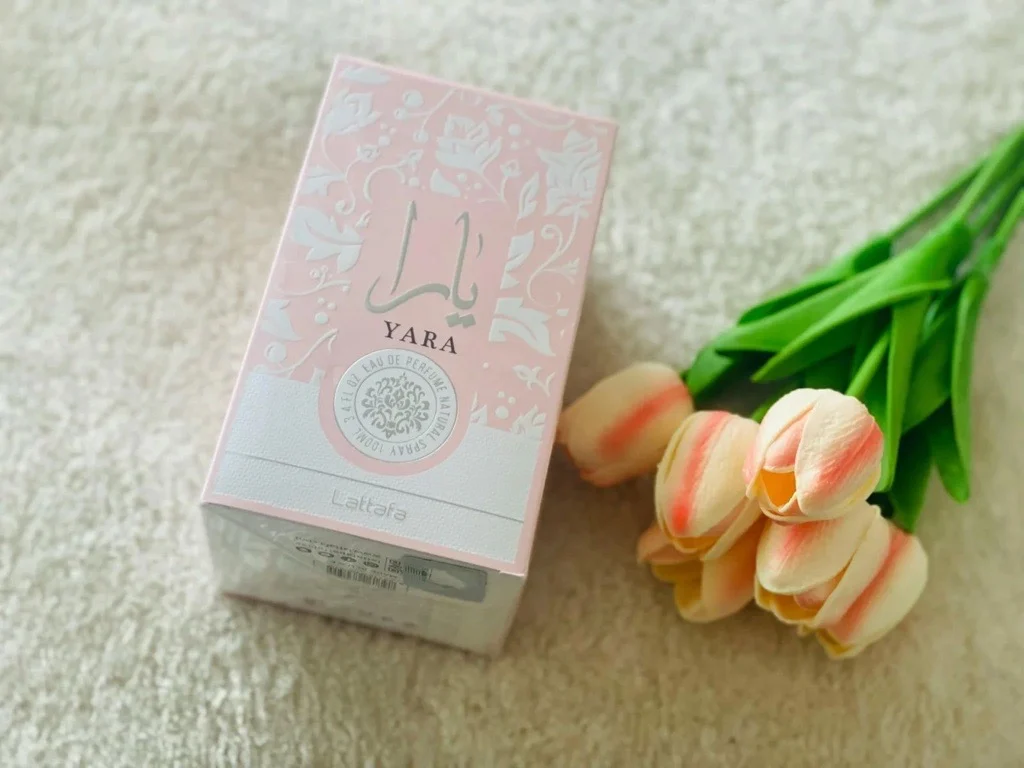
Lattafa Perfumes: Lattafa is a popular mass-market brand in Saudi Arabia, celebrated for its well known dupes of niche brands. The brand focuses on rich, traditional scents while experimenting with modern interpretations, appealing to a wide range of consumers.
Rasasi perfume brand has been manufacturing fragrances in Dubai for the past 30 years and is synonymous with high quality French oriental perfumes. Its biggest seller for many years has been Blue Lady, though the Hawas range is now very popular.
Gissah Imperial Valley: A rising star in the luxury perfume sector, Gissah offers a collection that fuses natural oils, oud, and exotic spices.
In Saudi Arabia Laverne perfumes have created huge sales in the past few years, the two standout perfumes are Miss Laverned and Blue Laverne.
Its limited editions have created a buzz among collectors and perfume enthusiasts.
The Rise of Emirati Niche Houses in 2026
The UAE continues to be a global hub for fragrance innovation, with a significant surge in Emirati niche perfume houses in 2026. These brands are distinguished by their commitment to:
- Local Craftsmanship: Often blending traditional Arabic perfumery techniques with modern artistic expressions.
- Exclusivity: Focusing on limited production runs and unique scent profiles that cater to a discerning clientele.
- Cultural Storytelling: Each fragrance often tells a deep story rooted in Emirati heritage, using rare local ingredients and bespoke packaging.
Brands like Hind Al Oud, The Spirit of Dubai, and emerging artisans are setting new benchmarks for luxury and authenticity, attracting international attention and solidifying the UAE’s position as a fragrance trendsetter.
Other Influential Brands: Beyond these names, smaller niche brands are gaining international attention. Saudi Arabia and the UAE are home to artisans who specialize in custom perfume packaging in Saudi Arabia, offering personalized experiences that go beyond the fragrance itself.
Middle Eastern Niche Perfumes: What Makes Them Unique?
Niche perfumes are all about exclusivity and craftsmanship.
Unlike mass-market fragrances, these perfumes are crafted with precision and often contain rare ingredients. In the Middle East perfume market people use ingredients such as saffron, incense, oud, sandalwood, rose, jasmine, patchoulicv , and leather notes.
The best niche perfumes from the Middle East focus heavily on these luxurious accords, creating aromas that aren’t commonly found in Western perfumes.
Many niche perfumers also use traditional distillation techniques to craft authentic Arabic attar oils.
The result? Long-lasting, complex scents that evolve over hours, creating a signature aroma unique to each wearer.
How to Buy Authentic Oud and Attar Perfumes
If you’re exploring the Middle Eastern perfume market for the first time, buying authentic oud and attar oils can feel daunting.
- High-quality oud comes from specific species of agarwood. Look for reputable sellers or established niche brands that are known for authentic oud.
- Understand Concentration. Attars are highly concentrated. A single drop can last for hours. Start small and layer carefully.
- Smell Before You Buy. Whenever possible, test the perfume on your skin. Middle Eastern perfumes interact with natural skin oils, creating a personalized scent profile.
- Packaging Matters. Many niche brands invest in custom perfume packaging, which ensures authenticity and preserves the perfume’s quality.
Ethical Oud Sourcing and Certification in 2026
As demand for oud continues to grow, the importance of ethical and sustainable oud sourcing has become paramount in 2026. Consumers and brands alike are increasingly scrutinizing the origin and harvesting practices of agarwood.
- Compliance: Authentic oud suppliers must adhere to the “Convention on International Trade in Endangered Species of Wild Fauna and Flora” regulations, ensuring that agarwood is legally and sustainably harvested.
- Traceability: Leading brands are now demanding full traceability from forest to bottle, often partnering with certified plantations that practice responsible forestry.
- Certification Bodies: Look for suppliers who can provide certifications from recognized bodies that verify the ethical and sustainable origins of their oud, ensuring both quality and environmental responsibility.
Middle East Perfume Market Trends 2025
The perfume industry in Saudi Arabia and the wider Middle East is evolving rapidly.
As we move into 2025, several key trends are shaping how consumers discover, experience, and purchase fragrances.
- Firstly, luxury perfume brands in the Middle East perfume market are increasingly collaborating with international perfumers. As a result, these partnerships blend deep-rooted regional traditions with global fragrance trends, creating scents that appeal to both local and international audiences.
- At the same time, sustainability and natural ingredients are becoming a major focus. Today consumers are far more aware of fragrance formulations and the value of natural raw materials.
- In addition, bespoke fragrances are gaining strong momentum in the Saudi Arabian perfume market
- Halal compliant perfumes are steadily gaining visibility and finding their place in the market. Not only are halal products oil and water based without alcohol, but they avoid certain haram ingredients. Often musk, ambergris and civet are not permissible in a halal formulation.
Consequently, interest in alcohol-free perfumes, ethically sourced ingredients, and authentic, high-quality oud continues to grow across the region.
For example, several luxury and niche perfume houses, including Arabian Oud, Ajmal, and Amouage, now offer customized scents and personalized packaging to meet individual preferences.
Moreover, this shift toward personalization is being accelerated by digital platforms, where consumers can easily discover, request, and co-create bespoke perfume experiences.
Meanwhile, perfume influencers and social media campaigns are playing an increasingly influential role.
In particular, younger demographics are shaping their fragrance choices based on online reviews, storytelling, and creator-led content.
As a result, digital visibility has become just as important as craftsmanship and heritage in the modern Middle Eastern perfume market.
Popular Perfumes in Saudi Arabia
In Saudi Arabia, perfume preferences range from deeply traditional to distinctly modern, thereby reflecting a seamless blend of heritage and innovation.
While some consumers gravitate toward classic oud-forward scents, others prefer contemporary compositions with global appeal.
For instance, Oud Majestic by Lattafa is widely appreciated for its deep, woody aroma, which strongly resonates with traditional tastes.
Meanwhile, Armaf Club De Nuit Intense remains a crowd favorite among those who enjoy long-lasting, Western-style blends infused with a subtle Middle Eastern twist. In contrast, the Gissah Imperial Valley Collection is often sought after by luxury collectors, primarily because of its rare ingredients and distinctive scent profiles.
However, the key to a perfume’s popularity in Saudi Arabia isn’t just the fragrance itself. Rather, it lies in the story, craftsmanship, and authenticity behind the scent.
As a result, Middle Eastern consumers place high value on transparency, quality, and heritage, not merely marketing hype or brand visibility.
Types of Arabian Perfumes You Should Know
When navigating the Middle Eastern perfume market, it helps to break fragrances down by type.
By doing so, you can better understand their character, usage, and appeal.
Firstly, oud-dominant perfumes are heavy, rich, and often smoky.
Because of their intensity, they are best suited for evenings, formal settings, or special occasions.
In contrast, floral attars are typically extracted from roses, jasmine, or tuberose.
As a result, they offer softer, more romantic profiles that work well for daily wear or intimate settings.
Meanwhile, spiced and woody blends incorporate notes such as saffron, sandalwood, and ambergris.
Together, these ingredients create warm, sensual fragrances that strike a balance between tradition and versatility.
Finally, modern eaux de parfum are alcohol-based and noticeably lighter.
At the same time, they often combine Western perfumery techniques with Middle Eastern fragrance market culture, making them accessible to a global audience.
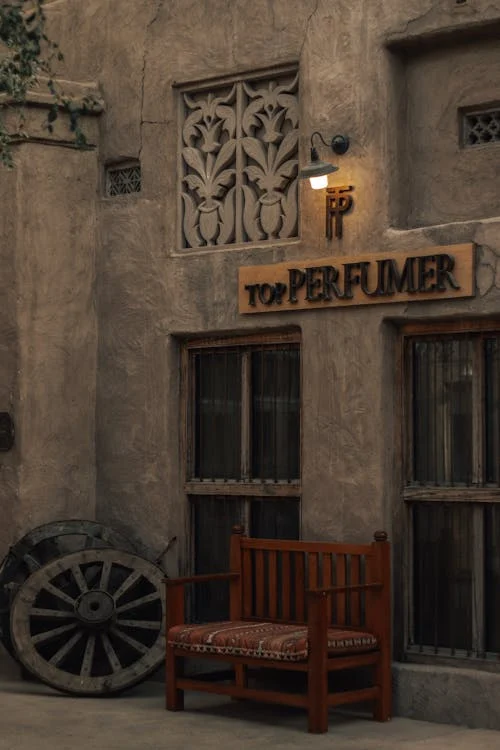
Influential Perfume Makers in the Middle East
The success of Middle Eastern perfumes isn’t just about brands, it’s also about the perfumers and artisans behind them.
These individuals preserve centuries-old techniques while innovating for modern tastes: Many makers are second or third-generation artisans, mastering Arabic perfume traditions.
Their expertise ensures that types of Arabian perfumes maintain authenticity while appealing to global audiences.
Brands often credit these perfumers directly, highlighting their role in the perfume industry in Saudi Arabia and beyond.
Why the Middle Eastern Perfume Market Brands are Different
You might be wondering what sets Middle Eastern perfumes apart from global brands. Here’s the essence:
- Concentration & Longevity – Middle Eastern perfume market brands often have higher oil content, making them more potent and longer-lasting.
- Rich, Layered Scents – While Western perfumes also evolve over hours depending on the perfumer’s skill, Middle Eastern fragrances often reveal complex, multi-faceted aromas that reflect centuries of tradition.
- Cultural Significance – Perfumes are deeply tied to rituals, hospitality, and social identity. For example, in Sudanese wedding rituals, women wear khomra and use natural ingredients like crushed sea shells, dried orange peels, sugar, frankincense, and myrrh, creating scents that are as meaningful as they are beautiful.
- Craftsmanship & Authenticity – Handmade processes, traditional extraction methods, and premium Arabic attar oils ensure unmatched quality. Emerging brands like Laverne Perfume in Saudi Arabia are gaining recognition, even collaborating with high-profile figures like Cristiano Ronaldo’s wife to promote their creations.
How to Explore Middle Eastern Perfumes Safely
If you’re new to the world of oud, attar, and niche fragrances, it helps to start with a few well-known Saudi favorites.
Brands like Abdul Samad Al Qurashi, Rasasi, Al Haramain, and Ajmal are popular and widely appreciated.
Try sampling signature scents such as Oud Ma’ali, Dahn Al Oudh Al Shams, or Amber Musk to get a sense of local preferences.
Read online reviews and fragrance communities—many experts share tips on authenticity and longevity.
Whenever possible, visit stores to test perfumes on your skin, as Middle Eastern scents often smell different on paper strips versus on the body. Take your time—authentic oud and attar are investments, not impulse purchases.
The Future of Perfume in the Middle East
The Middle East perfume market dynamics show that the perfume sector is poised for growth.
With rising interest in luxury perfume brands
As a result of growing Middle Eastern and global appreciation for oud and attar, the industry can expect several key developments. Firstly, there will be more collaborations with international niche perfume brands. In addition, Middle Eastern perfumers will gain increased visibility on global stages, showcasing their craftsmanship to wider audiences.
At the same time, the market is shifting toward sustainable sourcing and eco-friendly packaging. Moreover, the expansion of online channels is making Middle Eastern niche perfumes more accessible to consumers worldwide than ever before.
Consequently, Middle Eastern perfumes are no longer just a local treasure. Instead, they are rapidly becoming a global symbol of luxury, tradition, and craftsmanship.
Anisha International: Crafting Perfume Excellence
When it comes to creating unforgettable perfume experiences, Anisha International has become a trusted name.
The company specializes in sourcing, producing, and packaging authentic oud and attar perfumes for discerning customers worldwide.
Their focus on quality ensures that every fragrance is crafted with precision.
They combine Arabic perfume traditions with modern techniques, making them a standout in the Middle East fragrance culture.
Whether you’re looking for custom perfume packaging in Saudi Arabia or niche perfumes to start your collection, Anisha International provides a seamless, reliable experience.
For anyone passionate about the Middle Eastern perfume market, Anisha International is a brand that embodies authenticity, luxury, and tradition.
Upcoming Industry Events: Beautyworld Middle East 2026/2027
Stay ahead of the curve by attending key industry events. Beautyworld Middle East remains the premier trade fair for beauty products, haircare, fragrances, and well-being in the region. The upcoming 2026/2027 editions will feature:
- New Fragrance Launches: Discover the latest scents and innovations from global and regional brands.
- Packaging & Design Trends: Explore cutting-edge packaging solutions and materials.
- Networking Opportunities: Connect with suppliers, manufacturers, and industry leaders.
Anisha Agency regularly attends and advises clients on the key takeaways from these pivotal events.
Final Words
Perfume in the Middle East is more than a scent; it’s culture, heritage, and artistry wrapped in a bottle. From the deep richness of oud to the delicate elegance of attar, from luxury brands to niche artisans, the region offers fragrances that tell stories and create lasting impressions.
Understanding the history, trends, and key players not only helps you choose the right scent but also gives you a glimpse into a world where perfume is truly an experience. Another good way to get a good overview of the Middle Eastern perfume market is a visit to Beautyworld Dubai.
And remember, whether you’re hunting for best niche perfumes from the Middle East or looking for a trusted name in custom perfume packaging in Saudi Arabia, Anisha International is ready to guide you through this fragrant journey.