Skip to content
When discussing the most influential Middle Eastern perfume brands, it is important to first define what influence means in this context.
In this article, influence is not measured by personal taste or creative merit alone, but by a combination of the following objective factors:
- Market share and sales volume
- Regional and global distribution reach
- Brand recognition across multiple markets
- Ability to shape consumer trends and buying behaviour
- Longevity and consistency in the perfume industry
Using these criteria, the companies below represent some of the top perfume brands in the Middle East and the leading fragrance companies in the UAE and wider region.
Lattafa Perfumes
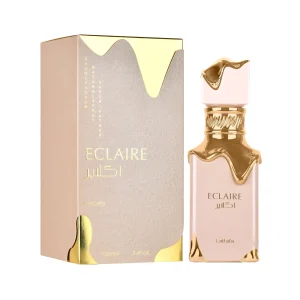
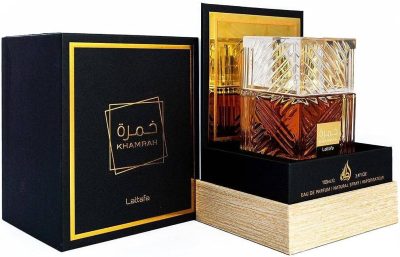
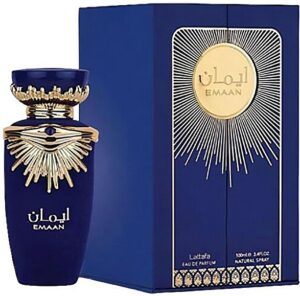
Lattafa is one of the most commercially successful Middle Eastern perfume brands globally. Its influence is largely driven by scale, speed of launches, and strong social media presence, particularly on platforms such as TikTok and Instagram.
The brand is widely known for offering fragrances inspired by popular designer and niche perfumes at accessible price points. Khamrah, frequently compared to Angels’ Share by Kilian, has become one of the most discussed Middle Eastern perfumes online.
Lattafa’s ability to dominate entry-level and mid-market segments across Europe, the Middle East, Africa, and parts of Asia makes it one of the most influential fragrance companies originating from the UAE.
Sterling Perfumes
Sterling Perfumes has built its influence primarily through the success of the Club de Nuit range. The brand’s strategy centres on strong flankers, wide availability, and consistent pricing.
Its perfumes are among the best-selling Middle Eastern fragrances in many international markets, particularly in Europe and North America. Sterling’s influence lies in its ability to maintain mass-market relevance while competing in increasingly crowded shelves.
Amouage
Amouage represents a very different form of influence. Rather than volume, its strength lies in luxury positioning, ingredient quality, and international prestige.
The brand is distributed in high-end retailers worldwide and is widely respected among fragrance professionals. Amouage uses regional ingredients such as Omani frankincense and rose, and is known for extended maturation processes that add depth to its fragrances.
Amouage has played a key role in shaping global perceptions of Middle Eastern niche perfumery as refined, artistic, and technically sophisticated.
Al Haramain Perfumes
Al Haramain is one of the long-established Middle Eastern perfume houses with roots in traditional oriental perfumery. Over time, it has successfully expanded into spray perfumes while retaining its heritage in non-alcoholic formats.
Today, the brand operates across multiple price tiers and markets, making it one of the more balanced and enduring Middle Eastern fragrance companies.
Fragrance World
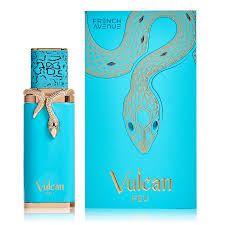
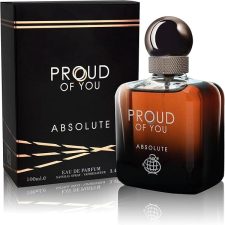
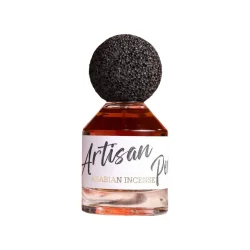
Founded in 2003, Fragrance World has grown rapidly through a hybrid strategy. While it is well known for offering fragrances inspired by global bestsellers, it does not aim for direct replication in packaging or naming.
Instead, Fragrance World adapts concepts while maintaining its own brand identity. Its influence comes from extensive global distribution and a high volume of product launches, particularly across emerging markets.
Rasasi
Rasasi has been a dominant name in Middle Eastern perfumery for decades, particularly in the mass-market segment. The success of Blue Lady established the brand’s reputation across multiple regions.
In recent years, Rasasi has moved further into premium positioning, investing in higher-quality packaging and more sophisticated fragrance concepts. Its longevity and ability to evolve keep it highly relevant.
Afnan Perfumes
Afnan focuses largely on Western-style fragrance profiles combined with Middle Eastern branding sensibilities. While not always positioned as a heritage brand, Afnan has achieved strong international performance through consistent quality and controlled expansion.
Its influence lies in its ability to bridge Western preferences with regional manufacturing strengths.
Swiss Arabian
Swiss Arabian is one of the most visible perfume brands in the UAE retail landscape, particularly in shopping malls and tourist areas. The brand performs strongly with international visitors and has recently expanded its luxury offerings.
This shift toward higher price points reflects broader market demand for premium Middle Eastern perfume brands.
Ahmed Al Maghribi Perfumes
Founded in 2000, Ahmed Al Maghribi has expanded rapidly through its own retail network in the UAE and beyond. The brand balances traditional inspiration with modern formats, positioning itself as a growing regional player.
Its continued expansion makes it one of the Middle Eastern perfume brands to watch.
Khadlaj Perfumes
With nearly three decades in the industry, Khadlaj is currently undergoing a generational transition. The brand is focusing on innovation, packaging upgrades, and stronger brand identity.
Its strategy targets the higher end of the mass market, making it increasingly relevant in competitive retail environments.
Laverne
Laverne is not yet among the largest Middle Eastern perfume companies by volume, but it has significant financial backing and ambitious growth plans.
Its visibility at major trade exhibitions and strong marketing presence in Saudi Arabia suggest that it may become a more dominant regional brand in the coming years.
Arabian Oud
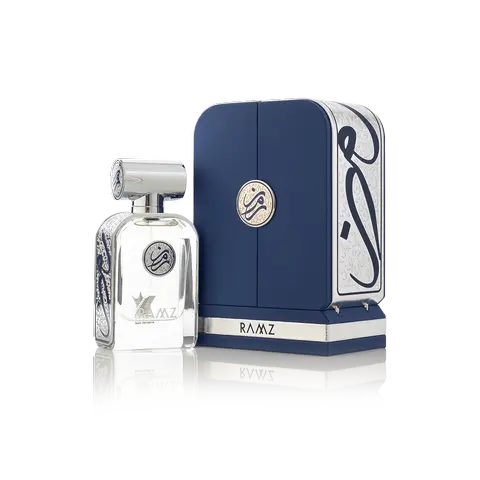
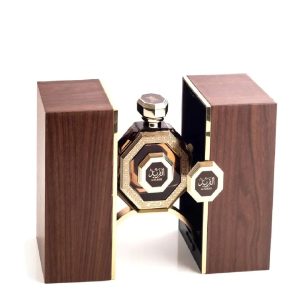
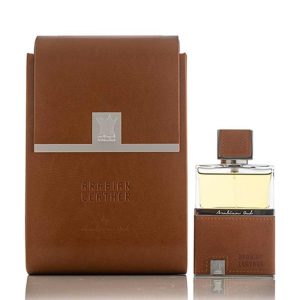
Arabian Oud is widely regarded as one of the most prestigious Middle Eastern perfume brands. It specialises in luxury fragrance formats, including oud, attars, and elaborate gift sets.
The brand’s expertise in presentation and gifting has made it particularly influential in the premium segment.
Gulf Orchid Perfumes
Launched in 2016, Gulf Orchid has built recognition through contemporary packaging and accessible pricing. While still relatively young, the brand has established a noticeable footprint in a short time.
My Perfumes
My Perfumes has consistently focused on fragrance strength and presentation. The Arabiyat range, in particular, is known for bold packaging and high perfume concentration, making it popular in gifting categories.
Ajmal perfumes
Ajmal is one of the most historically significant Middle Eastern fragrance companies, with deep roots in oud and attar production. Today, it operates across mass, premium, and luxury segments.
Its long-standing expertise and international reach make it one of the most influential perfume brands in the region.
Surrati perfumes
Founded in 1929 in Makkah, Surrati is a traditional perfume house known for ornate packaging and heritage-driven fragrances. While historically focused on classic formats, the brand has been adapting its range for broader appeal.
Azha Perfumes
Azha Perfumes is a newer entrant supported by established manufacturing expertise. With high-concentration formulas and custom packaging, the brand is positioning itself for growth within the premium segment.
Al Naseem perfumes
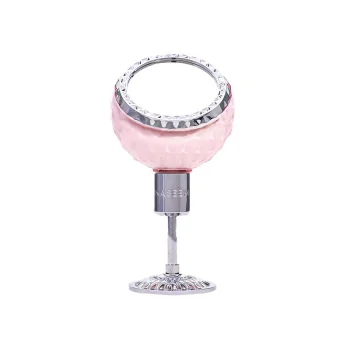
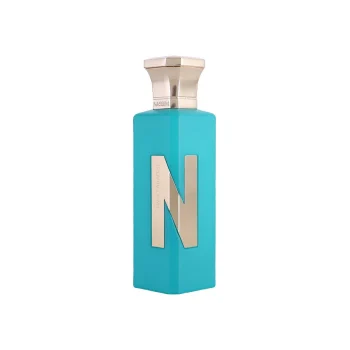
Al Naseem is notable for its focus on alcohol-free, halal-friendly perfumes. Unlike many traditional attar-focused brands, it offers a wide range of spray perfumes using water-based diffusion.
The brand gained significant attention with the launch of Asmira, a vanity-mirror-shaped bottle that went viral, demonstrating how packaging innovation can drive brand visibility.
Final Thoughts
The Middle Eastern perfume industry is highly diverse. Influence does not come from a single factor but from scale, consistency, distribution, and the ability to adapt to changing consumer expectations.
The brands listed above represent a cross-section of heritage houses, mass-market leaders, luxury specialists, and fast-growing challengers that collectively shape the regional and global perfume landscape.
If you are considering launching your own perfume you may be interested in our Ultimate Guide to perfume in the Middle East.