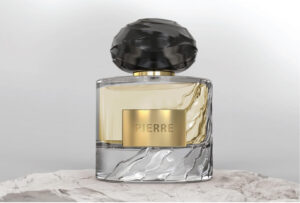
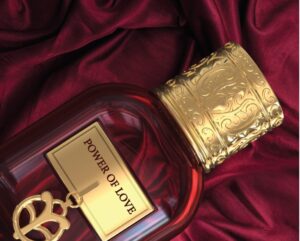
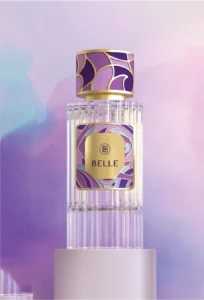
Custom Perfume Labels: Turning Ordinary Bottles into Luxury Icons
When you’ve spent decades in fragrance packaging, you learn one fundamental truth: a bottle becomes a “luxury icon” long before the customer ever smells the perfume. The transformation starts with one of the smallest components, its label. Whether you’re building a niche collection or scaling a commercial line, custom perfume labels shape how your brand is perceived, picked up, photographed, and remembered.
After 25 years in the industry, working with both boutique houses and mass-market producers, I’ve seen labels elevate modest glass bottles into statement pieces, and I’ve also seen them ruin an otherwise premium presentation. This guide will help you understand exactly how to make your perfume labels work at a luxury level, using practical, proven methods rather than trends or vague aesthetics.
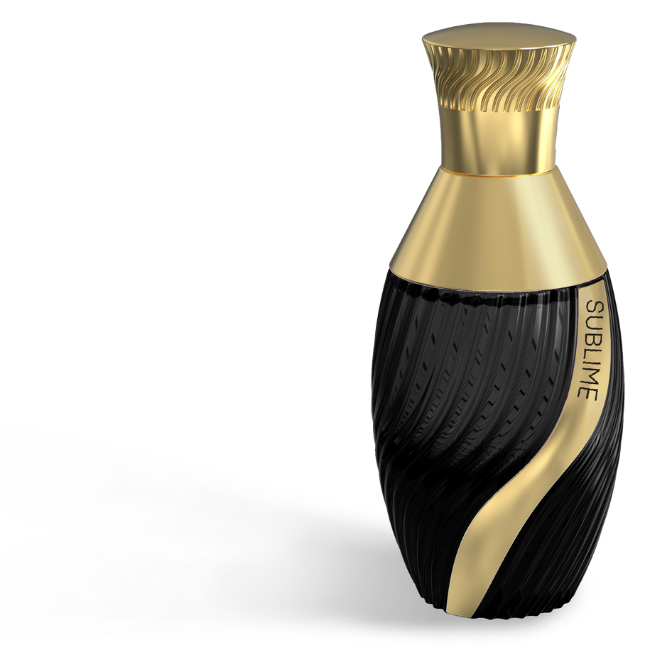
Why Custom Perfume Labels Matter More Than Most Brands Realize
When customers first encounter a fragrance on a shelf, they judge its story, identity, and value within seconds. The label is the first cue they scan. It communicates craftsmanship, price positioning, ingredient philosophy, gender expression, and longevity of the brand.
A well-executed label does five things consistently:
- Positions the product in a clear pricing tier.
- Reinforces the visual direction of the bottle.
- Holds up under handling, shipping, and long-term wear.
- Creates unmistakable shelf recognition.
- Aligns with the brand’s broader packaging strategy.
Many small brands underestimate how much these factors directly influence conversion. Large global names never do, because they understand the long-term compounding effect of premium packaging.
What Makes a Custom Perfume Label Look “Luxury”
Luxury isn’t about making something look expensive. It’s about creating intentional simplicity with the right materials, processes, and technical execution. After almost three decades of overseeing production lines, here is what consistently differentiates high-end custom perfume labels from ordinary ones.
1. High-Grade Substrates
Luxury labels start with substrates that are engineered to last:
- Textured cotton papers
• Linen-finish papers
• Soft-touch coated synthetics
• Metallized papers
• Clear or frosted films
Each material behaves differently when exposed to alcohol, oils, fingerprints, and friction. Thick paper with a tactile texture immediately signals premium quality, while metallized finishes create a bold, modern luxury look.
2. Professional-Level Adhesive Technology
This is where many beginner brands miscalculate. The adhesive behind the label determines durability, not just appearance. Alcohol-resistant adhesives, temperature-stable glues, and moisture-resistant bonding ensure the label stays flawless months after purchase. High-end manufacturers use adhesives engineered specifically for perfume environments.
3. Print Precision and Finishing
Luxury finishing does not mean throwing every effect onto one label. It means using the right technique for the right purpose.
The finishes that consistently elevate labels include:
- Hot foil stamping
• Embossing or debossing
• Spot UV
• Micro-textured varnishes
• Raised metallic details
• Edge-to-edge black printing with high rub-resistance
These finishes visually separate boutique brands from mass production, especially when mixed with minimalist layouts.
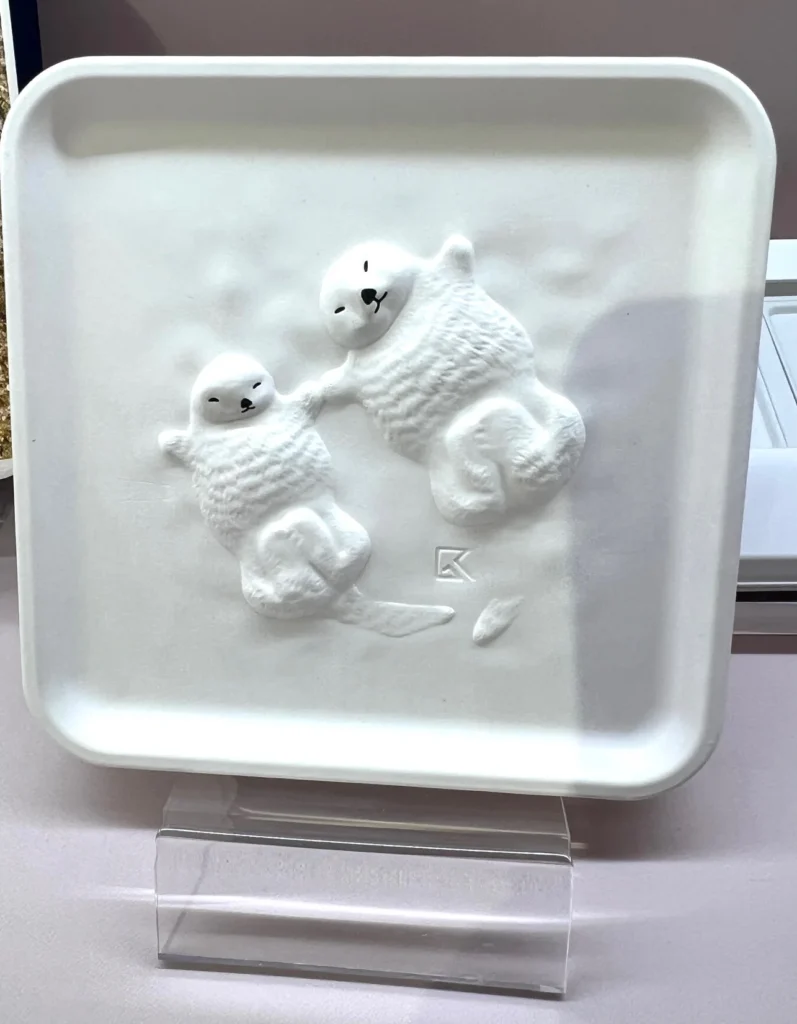
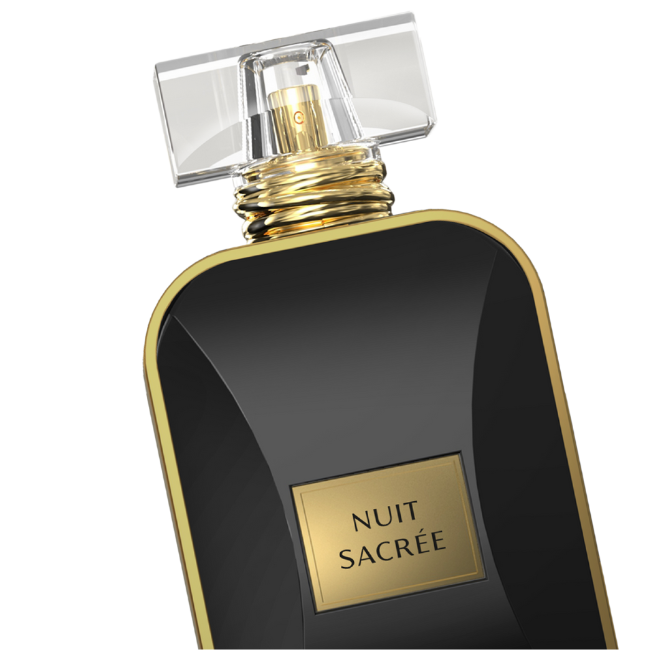
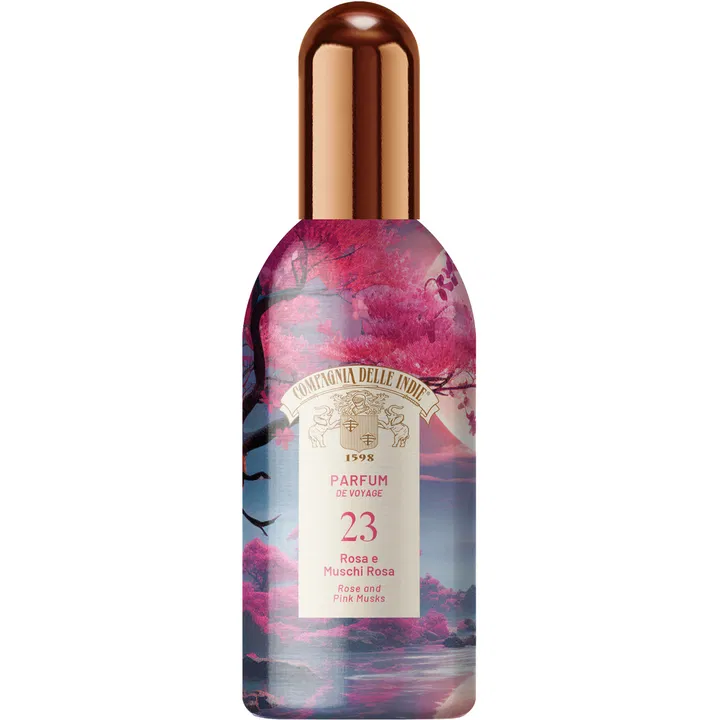
4. Minimalist Layouts with Expert Typography
Luxury fragrance houses rarely use complicated designs. Instead, they rely on typography and proportion. A well-balanced layout can make even a small square label appear elevated. After years of seeing labels printed at scale, I can tell you that typography is one of the strongest indicators of whether a brand understands premium packaging.
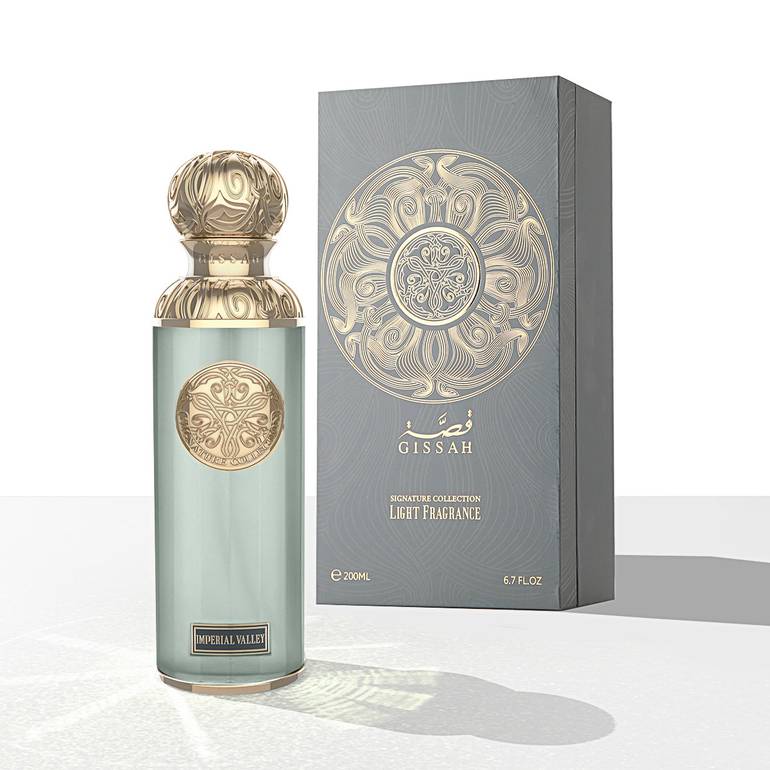
Label Shapes That Work Best for Different Bottle Styles
Not all perfume bottle design ideas are created equal, especially when it comes to label placement. The wrong shape can distort your design or disrupt the bottle’s silhouette.
Here are shapes that consistently perform well:
- Rectangular labels: For squared bottles or minimalist aesthetics.
• Vertical strips: For tall or slender bottles, adding a refined vertical flow.
• Circular labels: For artisanal or vintage-inspired designs.
• Wrap labels: For cylindrical or rounded body spray bottles.
• Clear invisible labels: For brands aiming for a “printed directly on glass” effect without the cost of direct printing.
When choosing a shape, remember: the label must enhance the bottle’s structure, not compete with it.
Key Technical Considerations for Custom Perfume Labels
If you want your labels to stand at the level of premium industry standards, focus on these technical requirements. They are industry-backed, not trend-driven.
Alcohol Resistance
Perfume contains ethanol. Labels that are not alcohol-resistant will degrade, stain, or peel over time. Ensure your supplier uses coatings and adhesives designed for high-alcohol environments.
Temperature Stability
Packaging travels across climates. A label that works in a controlled room may not perform under heat or humidity. Industrial packaging specifications help avoid these pitfalls.
Color Accuracy and Consistency
When working with luxury brands, maintaining consistent Pantone shades across thousands of units is critical. Certified color calibration ensures repeatable results every batch.
Scratch and Rub Resistance
High-end labels always undergo rub-resistance testing. If the surface scratches easily, the product will look worn even before it reaches the customer.
Common Mistakes Small Brands Make
These mistakes are more common than most expect, even in growing brands.
- Using low-cost paper that absorbs alcohol and discolors.
- Printing labels that distort when applied to curved bottles.
- Over-designing text, making it difficult to print sharply at small sizes.
- Choosing adhesives not intended for glass or coated surfaces.
- Skipping finish testing before committing to bulk runs.
Correcting these issues early saves money and protects long-term brand perception.
How to Choose the Right Custom Perfume Label Style for Your Brand
When I consult brands, I start with four strategic questions:
- What market tier are you targeting?
- How will your bottle be displayed (retail, online, boutique)?
- How does the label align with your overall packaging ecosystem (box, cap, ribbon, inserts)?
- What message should the tactile experience convey?
The label is part of a larger sensory identity. It must link seamlessly to your bottle, box, and overall fragrance positioning.


Advanced Perfume Bottle Design Ideas That Rely on Custom Perfume Labels
Many modern fragrance houses rely heavily on label-driven design. Some examples include:
- Clear label with micro-foil text for a “printed on glass” illusion.
• Heavy textured paper for a vintage apothecary feel.
• Ultra-minimal layouts paired with oversized hot foil accents.
• Matte black labels with embossed monochrome typography for contemporary masculinity.
• Gold metallic film labels for bold, glamorous identities.
These ideas work because they align visual storytelling with technical excellence.
Sustainable Custom Perfume Label Options
Sustainability is no longer a trend; it is an established requirement. Today, eco-conscious options include:
- Recycled paper substrates
• Plant-based adhesive systems
• Water-based coatings
• FSC-certified papers
• Minimal-ink layouts for low-impact production
These materials allow brands to build a sustainable identity without compromising on tactile appeal.
Production Workflow: What Actually Happens Behind the Scenes
To help brands understand the investment in label quality, here is the simplified workflow used by professional manufacturers:
- Material selection and sample testing
- Adhesive compatibility testing with bottle surface
- Proof approval with calibrated printers
- Foil and emboss tooling preparation
- Pilot run for alignment accuracy
- Bulk printing with controlled finishing conditions
- Post-production quality checks and rub tests
This ensures consistency from the first label to the last.
When Custom Perfume Labels Should Be Replaced with Direct Printing
Direct printing (silk screening, UV printing, or digital printing) is often seen as a luxury enhancement. However, it is only advisable when:
- The bottle surface is flat or evenly curved.
• The brand requires long-term wear resistance.
• The design is minimal with sharp edges.
• Production volumes justify tooling costs
For small or growing perfume brands, high-quality custom perfume labels often achieve the same visual impact at a much lower cost.
How Custom Perfume Labels Help Small Brands Compete with Big Names
Smaller brands often assume they cannot match the visual sophistication of established fragrance houses. But premium labels level the playing field by offering:
- Small minimum order quantities
• Ability to test designs without heavy tooling
• Quick turnaround for collections and seasonal launches
• High visual impact without expensive bottle molding
• Flexibility across different bottle shapes
A perfectly executed label helps you position your fragrance as luxury, even if your production scale is modest.
Choosing the Right Partner for Your Custom Perfume Labels
The difference between ordinary labels and luxury-grade labels almost always comes down to production expertise. Look for partners who:
- Test for alcohol resistance
• Offer premium paper and film options
• Provide high-precision foil and embossing
• Maintain consistent color calibration
• Understand fragrance-specific technical standards
These are non-negotiables if you want your packaging to perform at an international level.
In A Nutshell
Custom perfume labels are one of the most strategic components of fragrance packaging. They are small, but they carry the weight of your brand identity, luxury perception, and long-term durability. When executed with the right materials, finishes, and technical standards, they can elevate even the simplest bottle into a premium object that customers want to display, photograph, and repurchase.
If you focus on precision, durability, and alignment with your brand story, your perfume bottles will feel intentional, elevated, and expertly crafted, right down to the smallest detail.
About Anisha International: Anisha International is a Dubai-based perfume agency with over 25 years of experience in perfume development, packaging execution, and manufacturing coordination.