How to design Perfumes for the Future
The European Union’s new packaging and packaging waste regulation (EU) 2025/40 is changing the way that packaging is designed and brought to market. For the fragrance industry, where packaging is a big part of a brand’s identity, the implications are huge.
From the weight of a glass bottle to the materials used in decoration, brands will increasingly need to consider how their packaging performs alongside its aesthetic appeal, functionality and cost.
At Anisha International we believe that the the future of luxury fragrance lies in intelligent design. It is important to create distinctive packaging which respects a brand’s creative vision, while considering the technical, commercial and sustainability requirements of tomorrow. What is the EU Packaging and Packaging Waste Regulation?
The PPWR is a new European regulation designed to reduce packaging waste and to improve recyclability. Also it is designed to encourage the more efficient use of materials.
The key objectives of the legislation are:
- improving recyclability of packaging
- Reducing unnecessary packaging weight and volume
- Increasing recycled content in plastic packaging
- restricting certain substances in packaging
- Improving packaging information, documentation and traceability
For perfume brands this means that packaging decisions made during the design and development process will become more important and should consider sustainability and recyclability more.
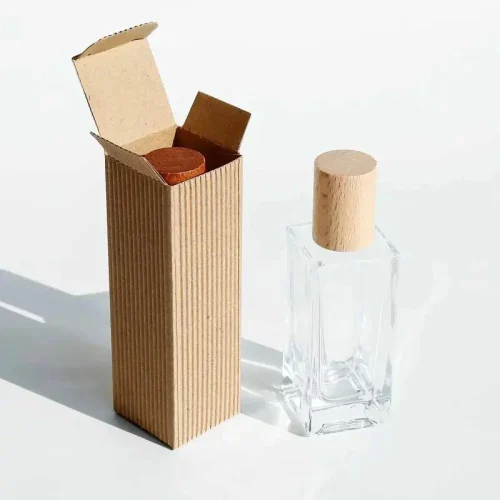
1. Glass Bottles : Balancing luxury and material efficiency
Glass remains one of the most established materials in premium packaging which is valued for its appearance, durability and recyclability.
However, the PPWR places emphasis on packaging minimisation.
From 2030, packaging weight and volume must be reduced to whatever is required to maintain functionality.
Therefore this will mean that perfume brands will have to reconsider bottle weight when weight is used as a tool to signify luxury through the use of very heavy bottle bases.
Can the same visual impact be achieved through intelligent shapes rather than additional glass weight? Can we achieve the same premium appearance when the bottle is less heavy?
Whilst a heavier bottle is not automatically prohibited, it might be frowned upon by consumers if it is considered to be too much against the spirit of the legislation.
At Anisha these are the types of questions which we believe are important during the development process.
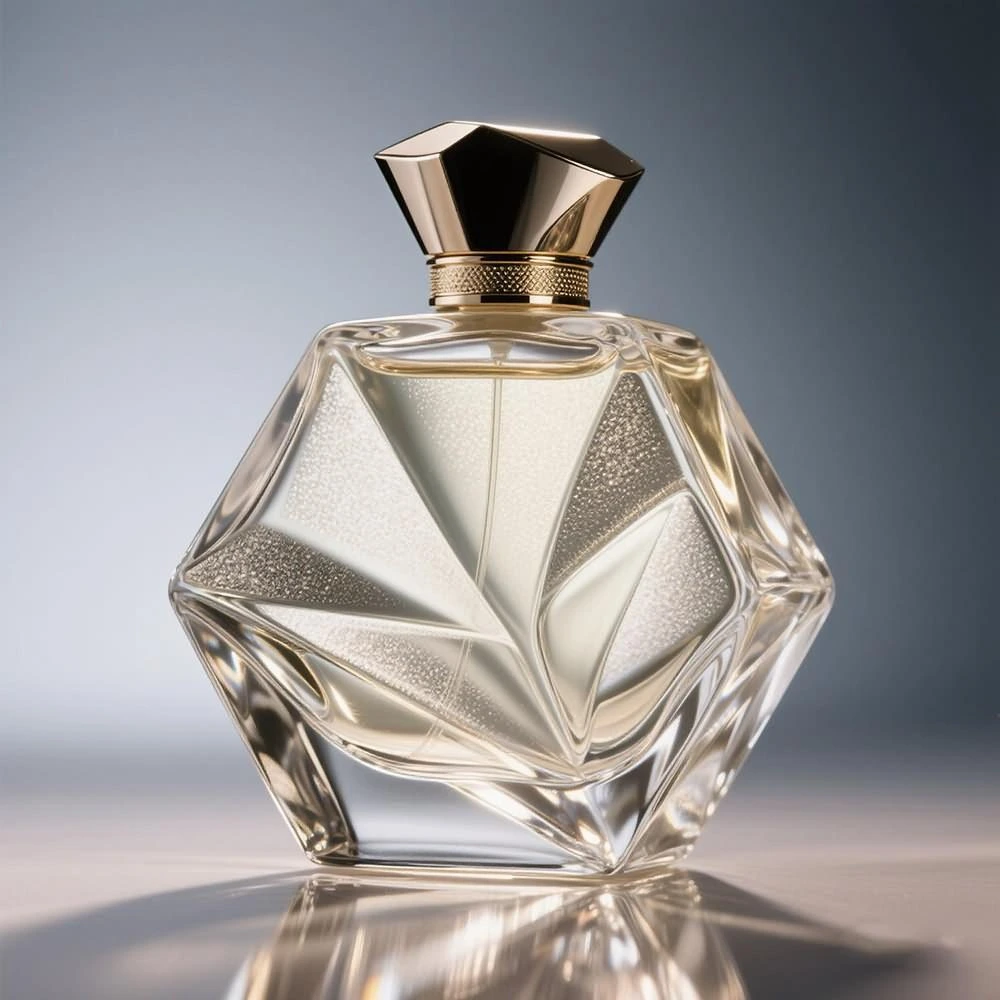
2. Caps and Pumps: understanding material complexity
Perfume closures can combine metal, plastic and decorative components.
A luxury cap might have zamac, aluminium, abs, PP or other materials, while dispensing pumps also often contain different material components.
The PPWR does not prohibit these combinations, but we must consider their impact on recyclability and material requirements.
Anisha works with manufacturing partners to develop packaging which will balance appearance, technical performance and material considerations.
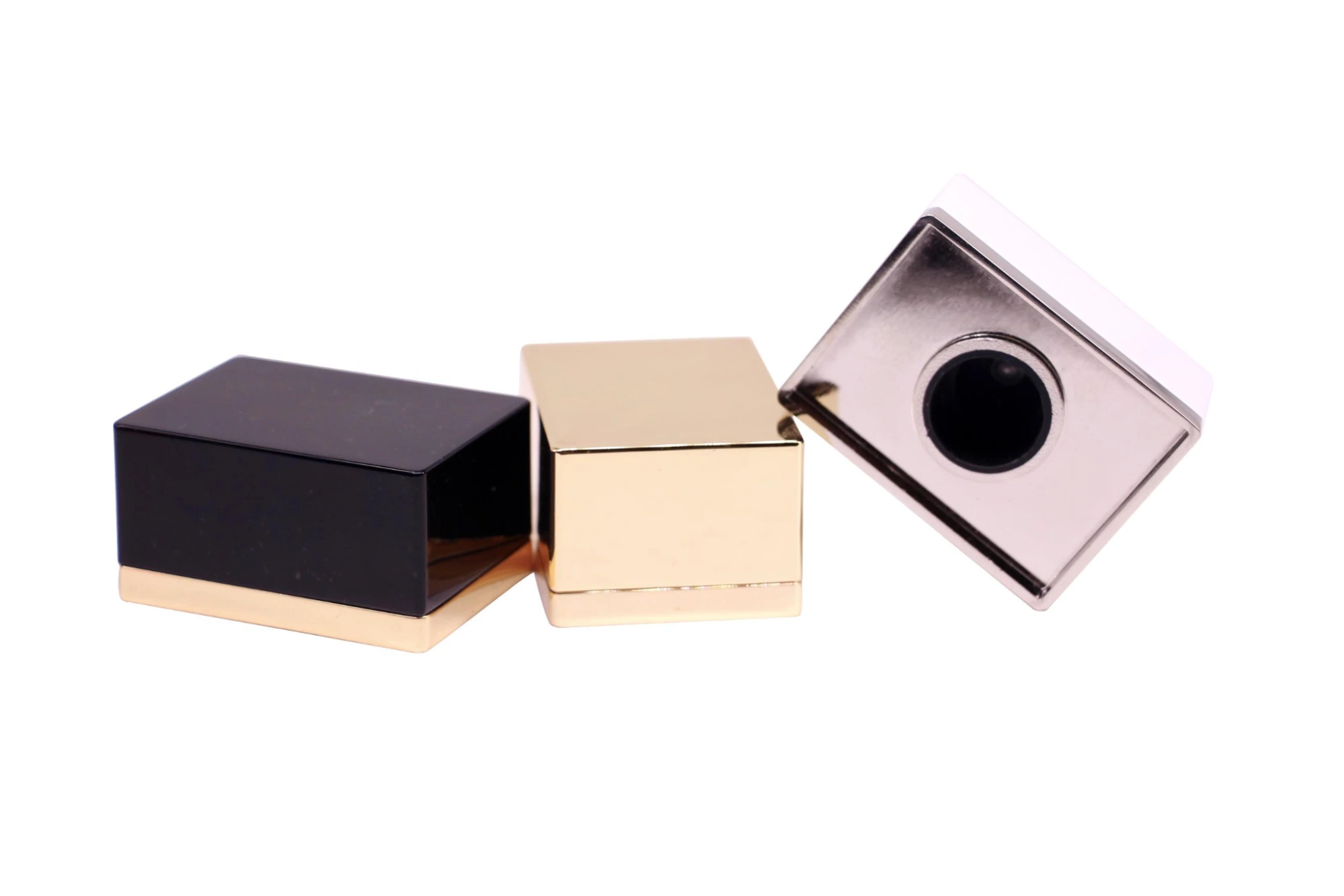
3. Decoration : Preserving creativity while considering recyclability
Decoration is central to perfume packaging design.
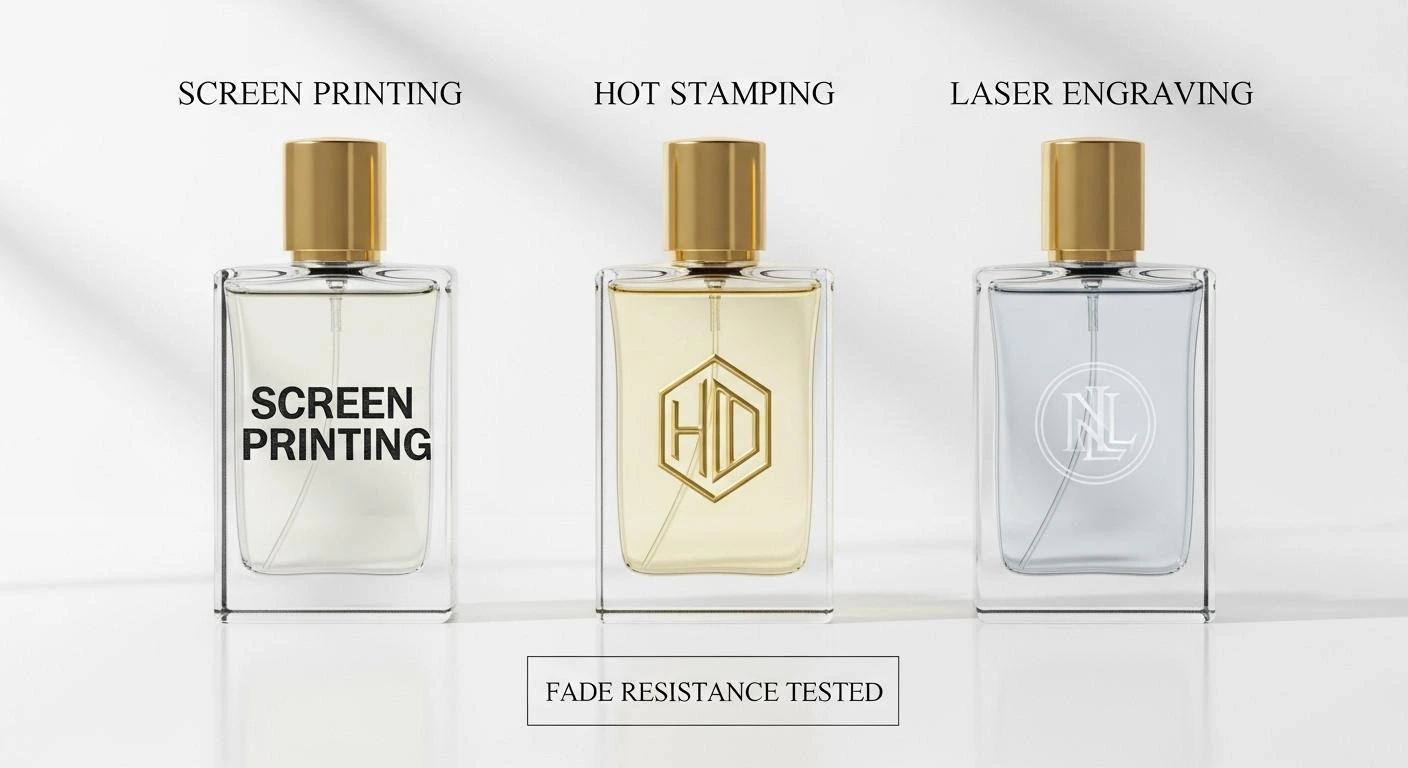
Lacquering, hot stamping and special coatings can transform a simple bottle or carton into a distinctive brand.
Under the PPWR the potential effect of decoration on recyclability is increasingly important. Not every metallic finish, coating or decorative technique is unsuitable. Some are easier to recycle than others.
If brands consider decorative options alongside manufacturing and recycling requirements they can make better informed decisions prior to producing their new designs.
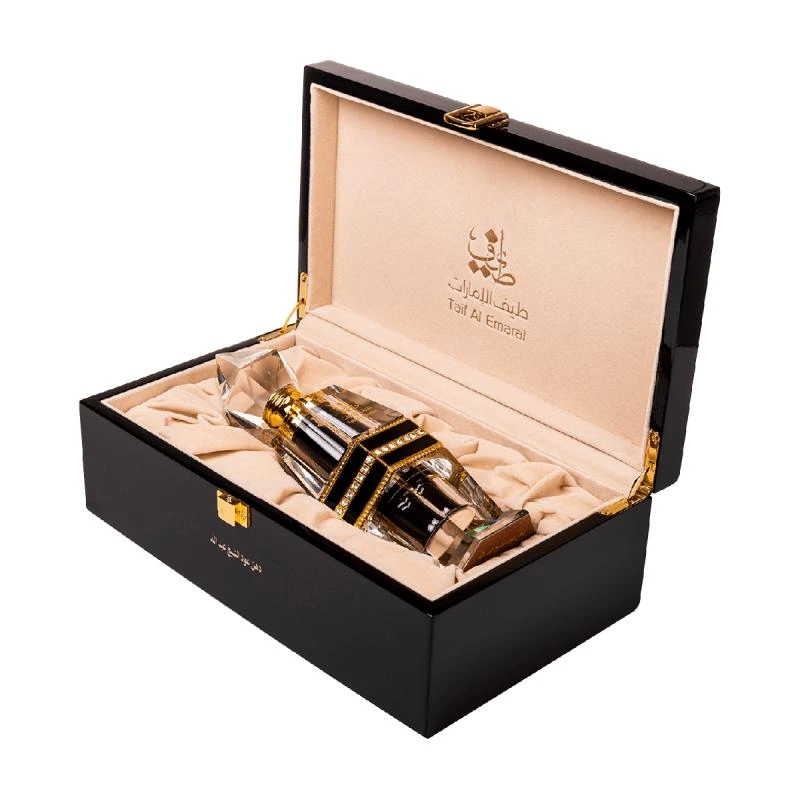
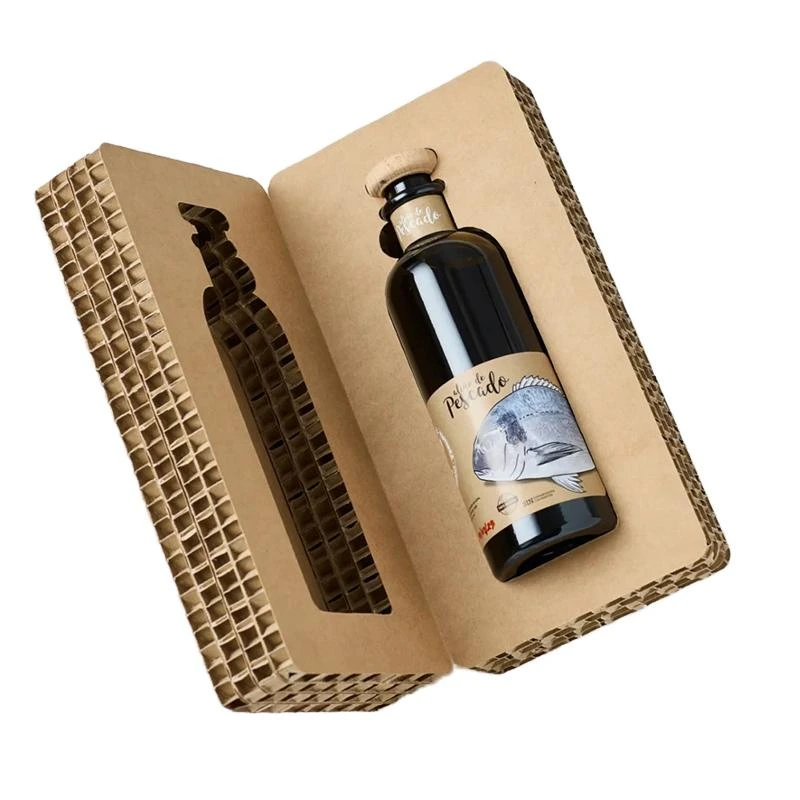
4. Secondary packaging : Rethinking the Luxury presentation
Decoration is central to perfume packaging design.
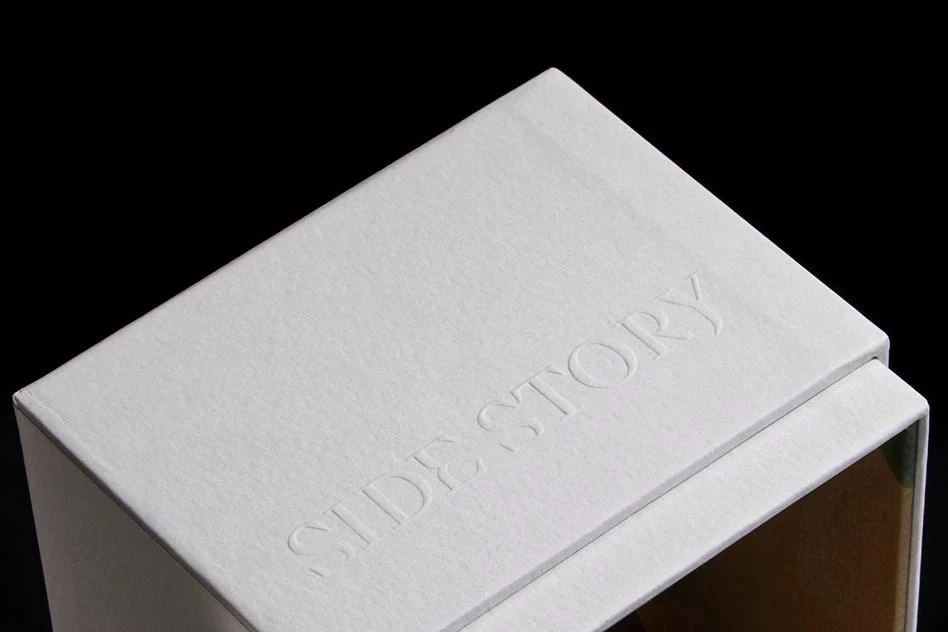
Lacquering, hot stamping and special coatings can transform a simple bottle or carton into a distinctive brand.
Under the PPWR the potential effect of decoration on recyclability is increasingly important. Not every metallic finish, coating or decorative technique is unsuitable. Some are easier to recycle than others.
If brands consider decorative options alongside manufacturing and recycling requirements they can make better informed decisions prior to producing their new designs.
Why early packaging development should consider PPWR legislation now
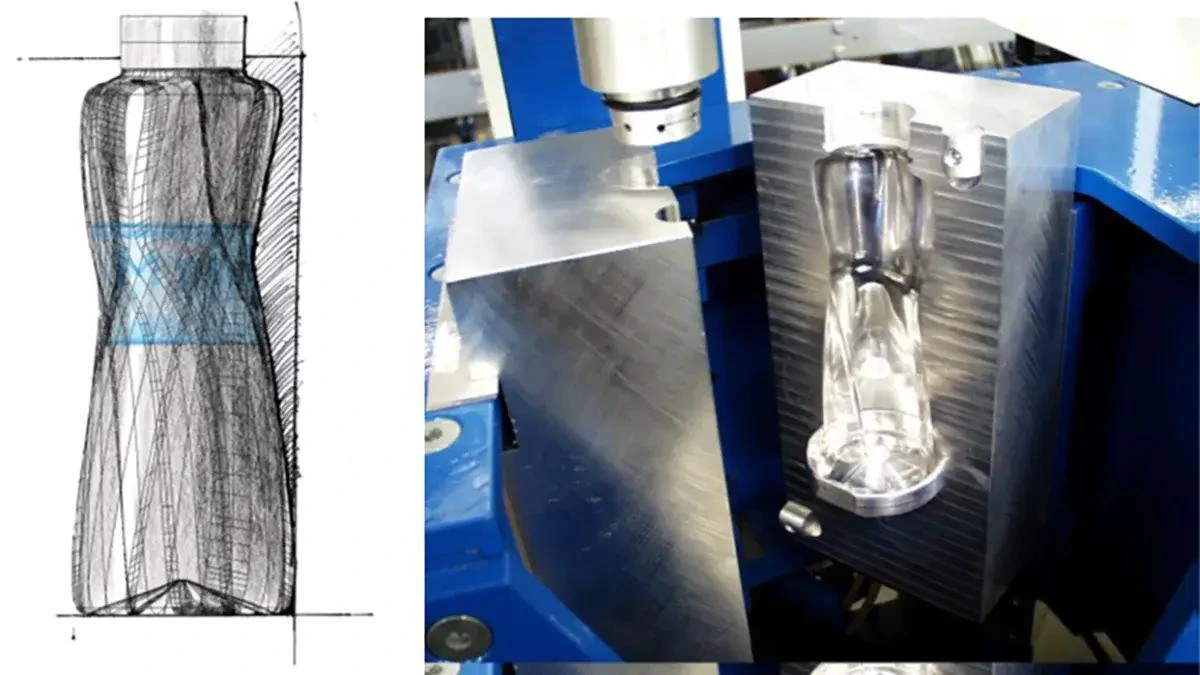
Packaging decisions are often made before regulatory or sustainability implications are implemented and compulsory for brands. A brand owner may already have approved a bottle shape, opened a bottle mould or chosen a decorative process. Revisiting these decisions later can add extra development costs and delays to supply. An integrated approach helps to identify potential issues earlier. This is where experienced packaging development partners like Anisha can add significant value.
Sustainable packaging does not have to compromise on creativity
Preparing for 2030 PPWR deadlines and beyond
While the PPWR came into effect in August 2026, governments are still phasing in some of its packaging design and waste management requirements.
For perfume brands planning new collections, now is an important time to consider how packaging designs may need to evolve.
Early attention to materials, construction and recyclability as well as documentation from suppliers will help to reduce costly changes later on.
At Anisha we believe that the most successful packaging solutions will be those which combine creative ambition with informed technical development.
Developing a new fragrance collection for the European market.
Whether you are creating a completely new bottle design or adapting an existing packaging concept, Anisha International can help you to explore creative and feasible packaging solutions with sustainability considerations integrated into the development process.
Article Last Update : 02 November 2026