What Luxury Brands Are Getting Right and Why It Matters
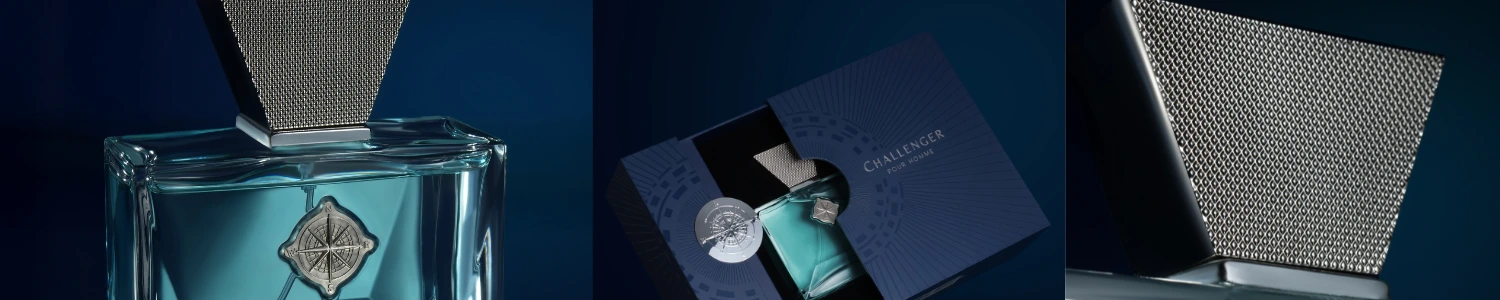
Luxury fragrance packaging trends in 2025 are no longer driven by decoration or novelty. The most successful brands are making deliberate, strategic packaging decisions rooted in consumer psychology, cultural context, and long-term brand value.
This shift is especially visible in premium and niche fragrance markets, where consumers are highly educated and emotionally invested in scent. Perfume packaging design should communicate meaning, intention, and credibility before the fragrance is ever sprayed.
In this article, we are focusing purely on luxury fragrance packaging trends for 2025, the goal is to explain what is changing, why it is changing, and how leading brands are responding.
Trend 1: Quiet Luxury Replaces Visual Excess
One of the clearest luxury fragrance packaging trends for 2025 is the move away from visual overload.
For years, luxury packaging was associated with heavy ornamentation, dramatic finishes, and overt signals of expense. Today, that approach increasingly feels outdated. Modern luxury consumers are drawn to restraint, clarity, and confidence.
Brands such as Byredo and Maison Francis Kurkdjian exemplify this shift. Their packaging is intentionally minimal, allowing space for the fragrance concept to breathe. The luxury does not come from complexity, but from proportion, material quality, and execution.
Quiet luxury works because it signals assurance. It suggests that the brand does not need to shout to be taken seriously. In 2025, understatement has become one of the strongest markers of sophistication.
Trend 2: Luxury Fragrance Packaging as an Extension of the Fragrance Idea
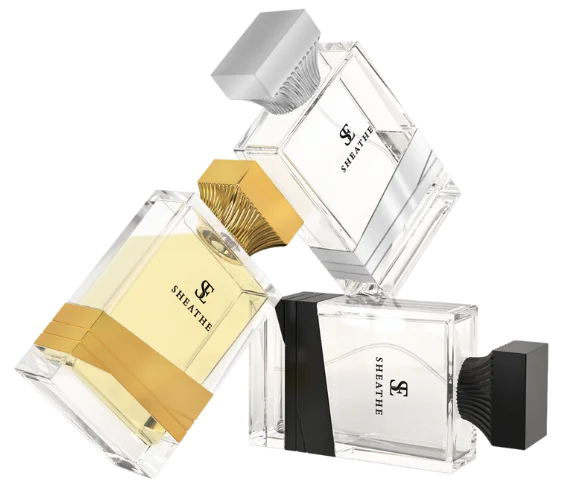
Luxury fragrance packaging trends in 2025 show a much tighter relationship between scent concept and visual expression.
Rather than designing packaging after the fragrance is complete, leading brands are developing both in parallel. The bottle, colour palette, and structure are treated as part of the same creative narrative as the scent itself.
Amouage is a strong example of this approach. Their perfume packaging design reflects depth, heritage, and complexity, mirroring the structure of their fragrances. The bottle is not just a container, it is a physical interpretation of the brand’s worldview.
This trend reflects a broader shift in consumer expectations. Buyers want to understand the thinking behind a fragrance. Packaging plays a crucial role in communicating that thinking instantly.
Trend 3: Weight, Balance, and Tactility Signal True Luxury Fragrance Packaging
Luxury fragrance packaging trends in 2025 place significant emphasis on physical experience.
Consumers may encounter a product visually online, but the moment of truth often happens in-store or upon unboxing. Weight, balance, and texture strongly influence perceived value.
Heavy glass bottles, well-balanced proportions, and refined surface finishes are increasingly prioritised. This is not accidental. Tactility triggers emotional response and reinforces price justification.
When a bottle feels substantial and considered in the hand, it creates trust. That trust carries through to how the fragrance itself is perceived.
Trend 4: Cultural Subtlety Over Literal Storytelling
In global luxury fragrance packaging, cultural references have become more refined.
Rather than literal motifs or decorative symbolism, brands are using abstraction, geometry, and tone to reference heritage and identity. This is particularly relevant in Middle Eastern markets, where consumers are highly sensitive to authenticity.
Successful perfume packaging trends in 2025 avoid clichés. It communicates cultural depth without explanation, allowing the consumer to discover meaning rather than being told what to feel.
This restraint elevates the brand and avoids reducing culture to surface aesthetics.
Trend 5: Sustainability as an Assumed Standard, Not a Statement
Sustainability remains a major conversation in luxury fragrance packaging, but the way it is communicated has changed.
In 2025, sustainable choices are increasingly expected rather than celebrated. Loud sustainability claims can feel performative, especially in luxury contexts.
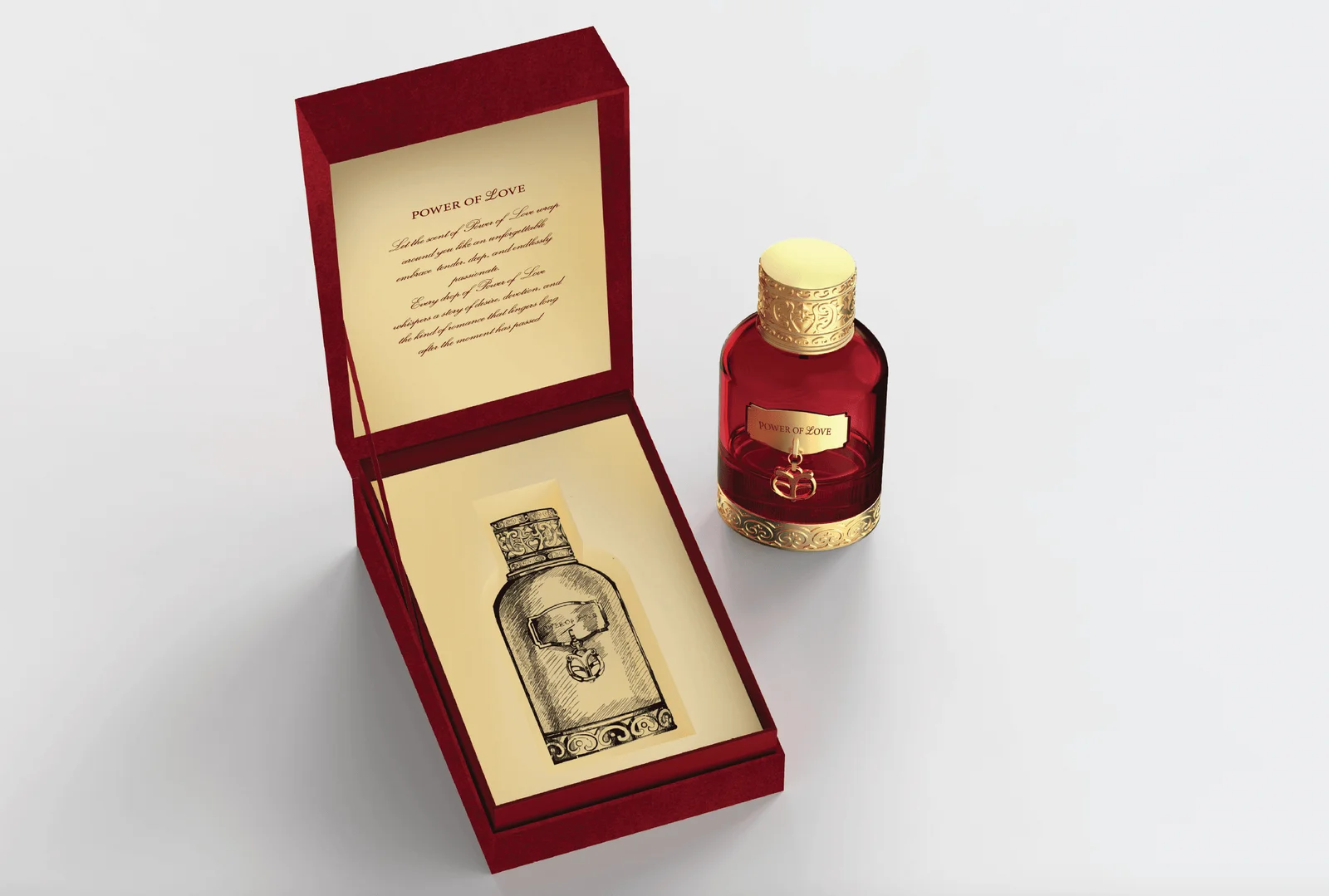
The most credible brands integrate sustainable materials and structures quietly. Refillable concepts, recycled glass, and responsible paper sourcing are incorporated without dominating the visual narrative.
Luxury consumers want reassurance, not slogans. When sustainability is embedded thoughtfully, it enhances brand trust without compromising elegance.
Trend 6: Secondary Packaging Becomes More Considered
Luxury fragrance packaging trends for 2025 show a shift away from oversized or wasteful outer packaging.
Brands are becoming more intentional with box structure, opening experience, and material choice. The goal is to create a refined unboxing moment without unnecessary excess.
This does not mean simpler packaging, but smarter packaging. The focus is on proportion, finish, and how the packaging supports the bottle rather than competing with it.
A well-designed box should frame the fragrance, not overshadow it.
Trend 7: Limited Editions as Brand Story Chapters
Limited edition fragrance packaging continues to perform strongly, but the approach has matured.
Rather than using limited editions purely as marketing tools, brands are treating them as narrative extensions. Packaging changes are subtle, intentional, and tied directly to the story being told.
This approach strengthens brand equity rather than diluting it. Collectibility becomes meaningful when the design evolution makes sense within the broader brand world.
Trend 8: Luxury Fragrance Packaging Designed for Longevity
Another important luxury fragrance packaging trend for 2025 is longevity.
Brands are thinking beyond the point of sale. Packaging is being designed to age well visually and emotionally. Bottles are intended to remain on vanities, shelves, and dressers long after purchase.
This long-term presence reinforces brand memory and loyalty. When packaging feels timeless rather than trend-driven, it continues to represent the brand positively over time.
Why These Trends Matter
Luxury fragrance packaging in 2025 is no longer about following trends for the sake of relevance. It is about alignment.
Alignment between scent and design
Alignment between brand values and material choices
Alignment between consumer expectations and physical experience
Brands that succeed are those that make fewer decisions, but make them with greater intention.
Final Perspective
Luxury fragrance packaging trends for 2025 reflect a more mature, thoughtful industry. One that understands that true luxury is communicated through clarity, restraint, and confidence.
Packaging today must do more than look beautiful. It must feel honest, purposeful, and emotionally coherent.
When those elements come together, packaging stops being a cost and becomes a strategic asset.
About Anisha International
Anisha International is a Dubai-based perfume agency with over 25 years of experience supporting fragrance brands across concept development, packaging strategy, and execution.
We work with brands to ensure packaging decisions align with long-term brand positioning and market expectations.