Perfume Bottle Design Trends:
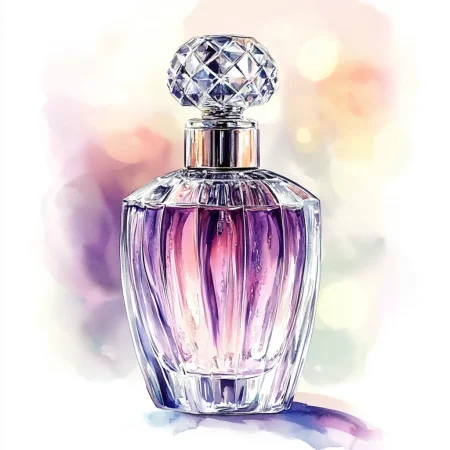
Perfume bottle design is a key expression of fragrance identity, luxury perception, and consumer appeal. Unlike scent creation, which is intangible, bottle design is visual and tactile — making it one of the most influential elements in how a fragrance is perceived before it is ever worn.
This article provides an evergreen overview of perfume bottle design trends that shape the market globally, with examples and insights grounded in observable industry direction. It’s designed to serve as a pillar resource linking to year‑specific trend posts (e.g., 2025, 2026), luxury design analysis, and regional market breakdowns.
Why Bottle Design Trends Matter
Perfume consumers do not just buy scent — they buy experience, identity, and emotion. A bottle design acts as:
- A signal of quality and luxury
- A visual expression of the fragrance’s personality
- A tool for brand storytelling
Well‑designed bottles stay on vanities long after the juice is gone — turning perfumes into collectible objects rather than disposable commodities. This shift from functional packaging to emotive design is central to modern perfume branding.
Major Evergreen Trends in Bottle Design
Minimalist & Clean Aesthetics
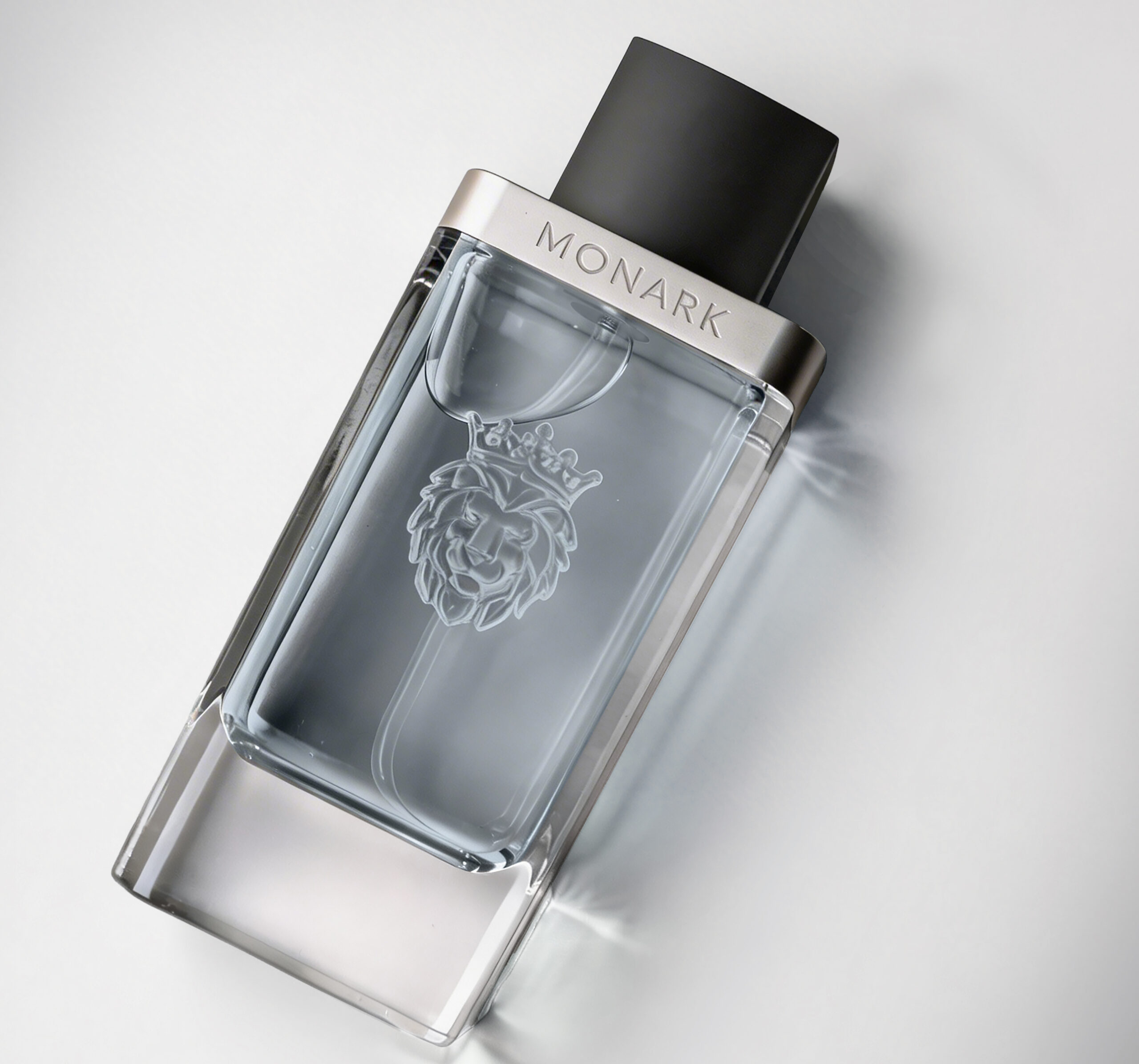
Clean lines, simple forms, and understated branding define the minimalist trend. This design language signals refinement, sophistication, and modernity — traits that many premium and niche brands now emphasize.
Real Examples:
- Byredo and Le Labo are frequently highlighted for minimalist bottle design with clear glass and subtle typography, letting the fragrance speak for itself.
- Jil Sander Olfactory Series 1 (minimalist form with tactile cap) emphasizes elevated simplicity and personal mood.
Why It Matters: Minimalist design transcends trends and appeals across gender and cultural lines, making it a great choice for both mainstream and niche markets.
Sustainable & Refillable Packaging
Eco‑conscious consumers are very interested in refillable systems, recyclable materials, and reduced waste. This isn’t just a trend — it’s becoming an expectation in many markets, especially Europe and luxury segments.
Examples in Practice:
- Chloé and Hermès have introduced refillable perfume bottle formats as part of broader eco‑luxury initiatives.
Why It Matters: Sustainability adds authentic value in luxury markets and aligns design with environmental responsibility — an increasingly important purchase factor.
Artistic & Unique Bottle Design
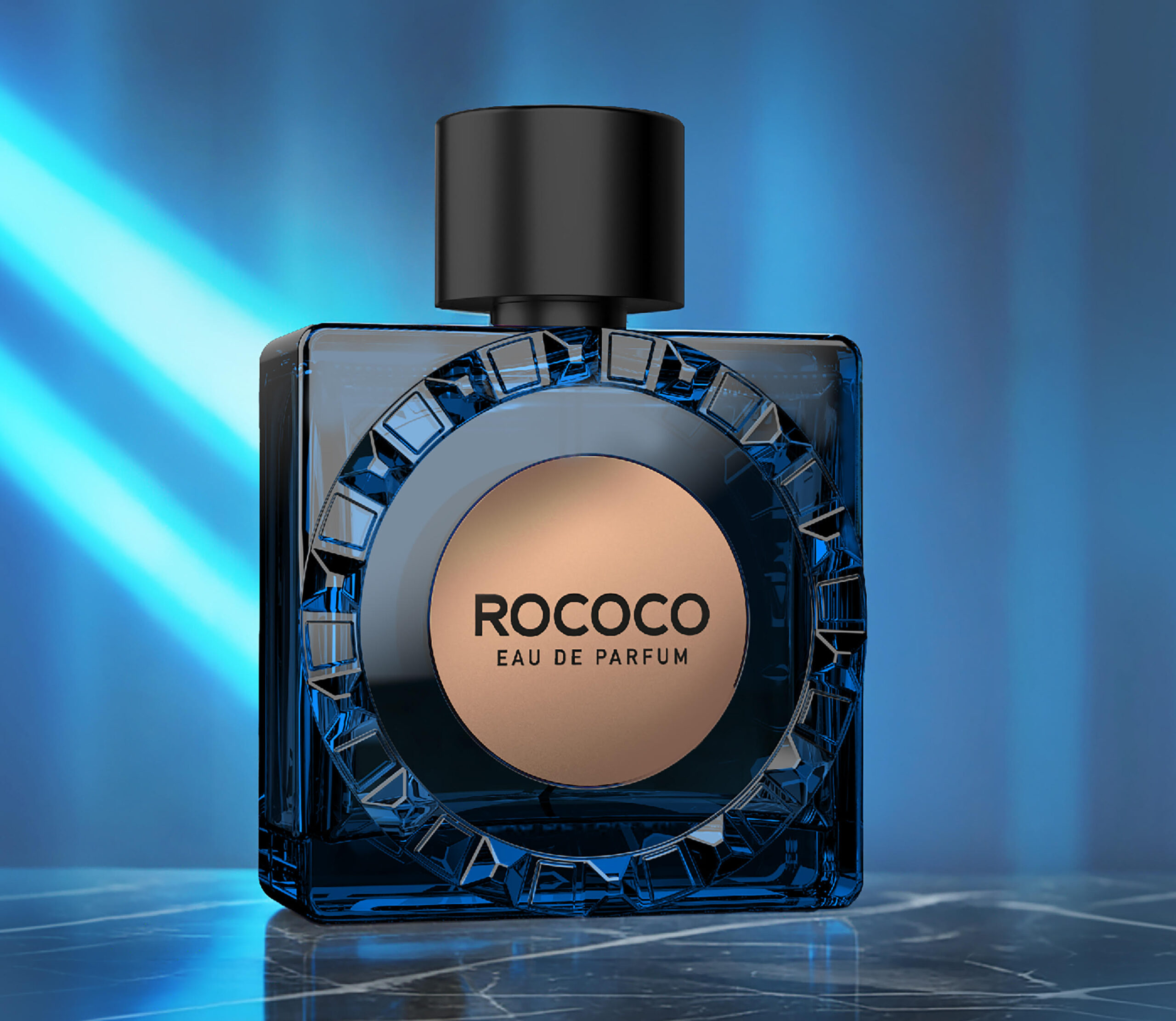
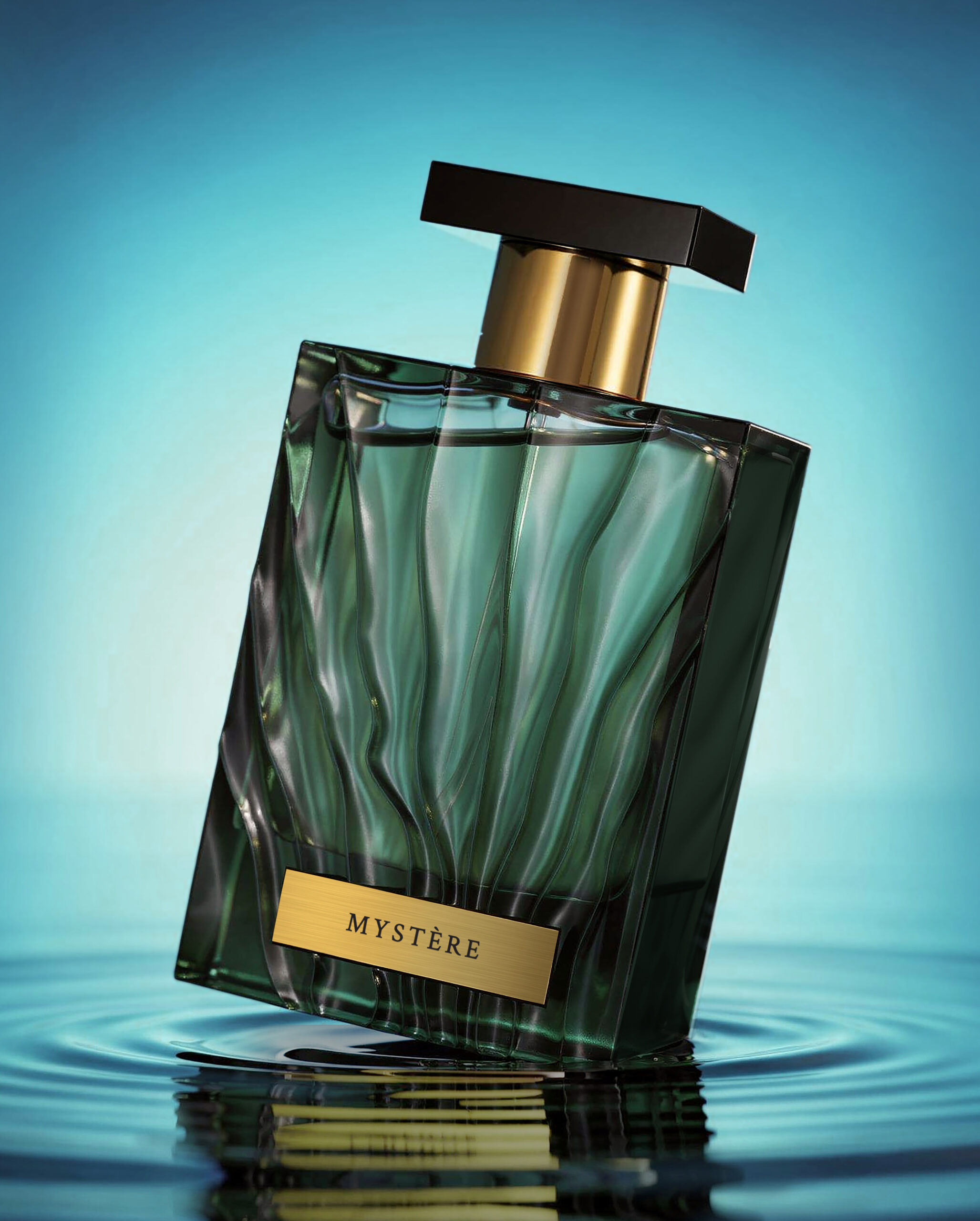
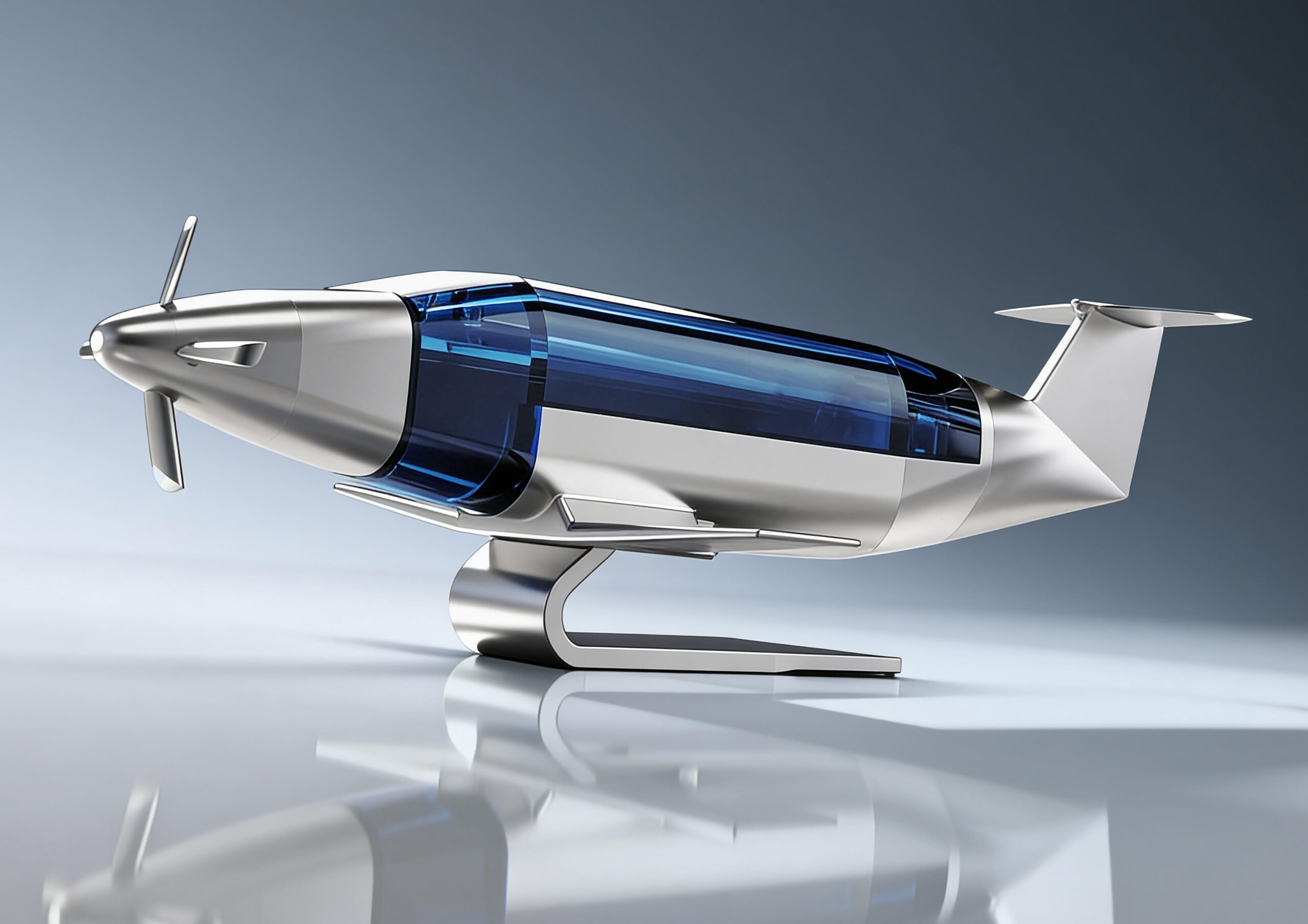
While minimalism dominates, there’s also a movement toward collectible, artistic bottles that serve as design objects in their own right. These are often limited editions, collaborations, or standout flagship pieces.
Example:
- Luxury brand Bottega Veneta released a collector‑oriented bottle with custom wooden caps and sustainable construction, blending craftsmanship and heritage storytelling.
Why It Matters: Artistic designs generate social and emotional engagement, often appealing to collectors and trend‑conscious buyers.
Vintage Revival & Nostalgic References
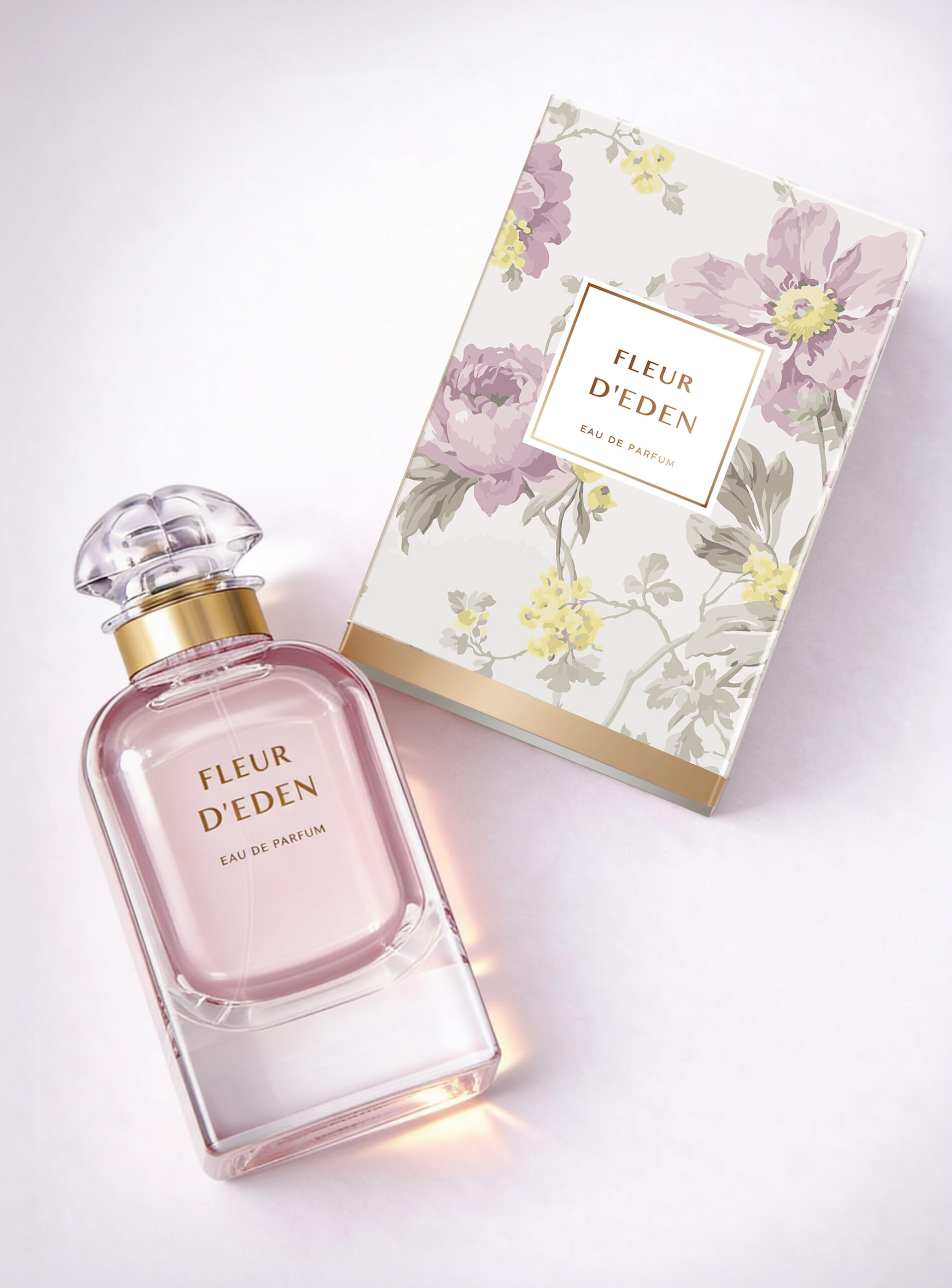
Reviving classic forms — from 1920s bottles to iconic mid‑century shapes — is a recurring theme. Vintage‑inspired designs evoke heritage and timeless elegance.
Why It Matters: Nostalgia appeals across generations, especially as many mature brands anchor modern expressions in historical aesthetics.
Personalization & Customization
Consumers increasingly want to feel that their perfume is their own. Custom engraving, bespoke labels, and personalized finishes deepen emotional connection and increase perceived luxury.
Why It Matters: Personalization enhances giftability and strengthens brand loyalty by turning a product into a personal statement.
How Design Preferences Vary by Market
Western (European & North American) Trends
Western markets often balance minimalist sophistication with functional craftsmanship. These include:
- Neutral or clear glass visuals
- Simple typography and understated branding
- Matte black or tactile finishes for modern allure
- Refillable and eco‑friendly structures
Minimalist bottles appeal to unisex demographics and reflect modern interior design.
Influence of Middle Eastern Design
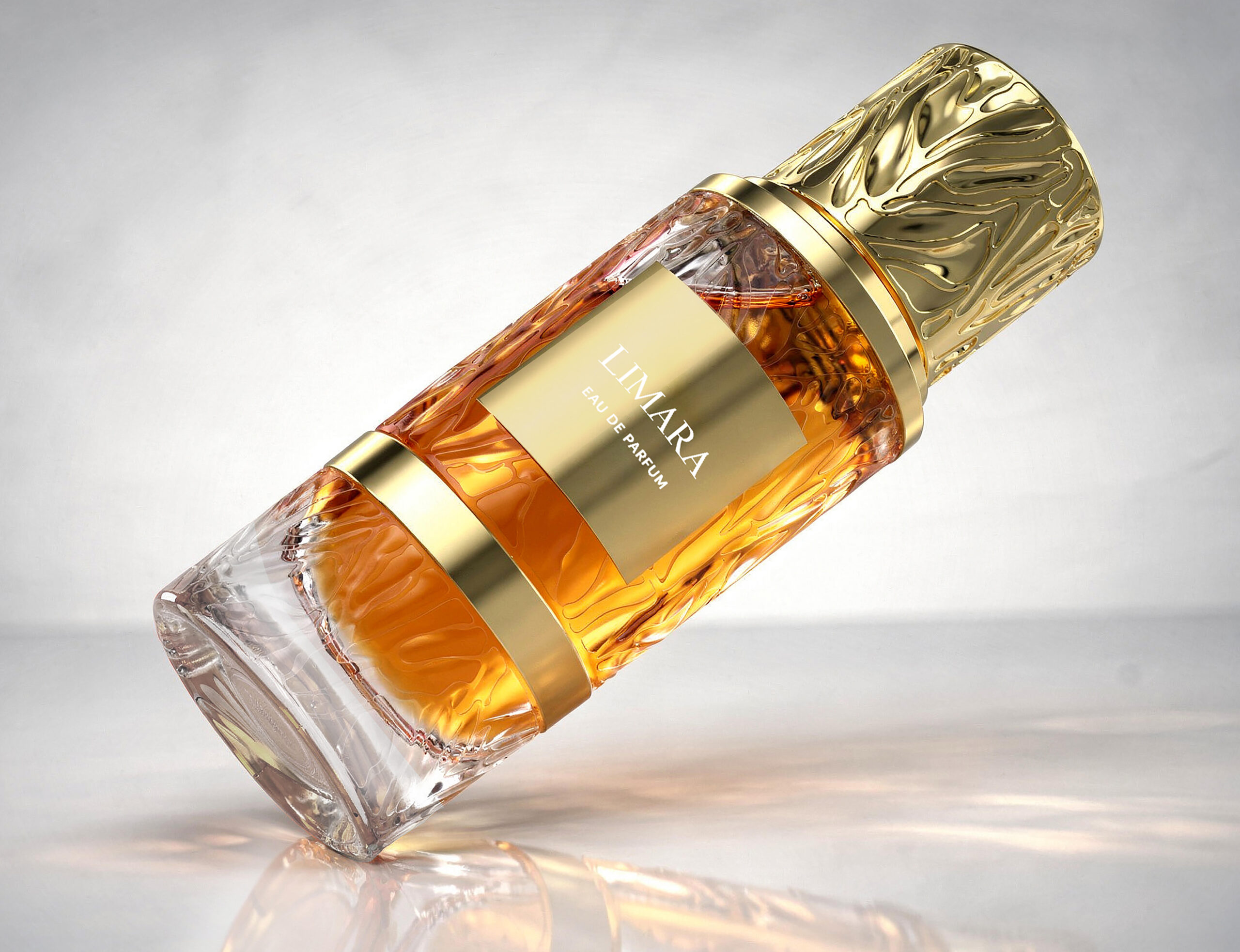
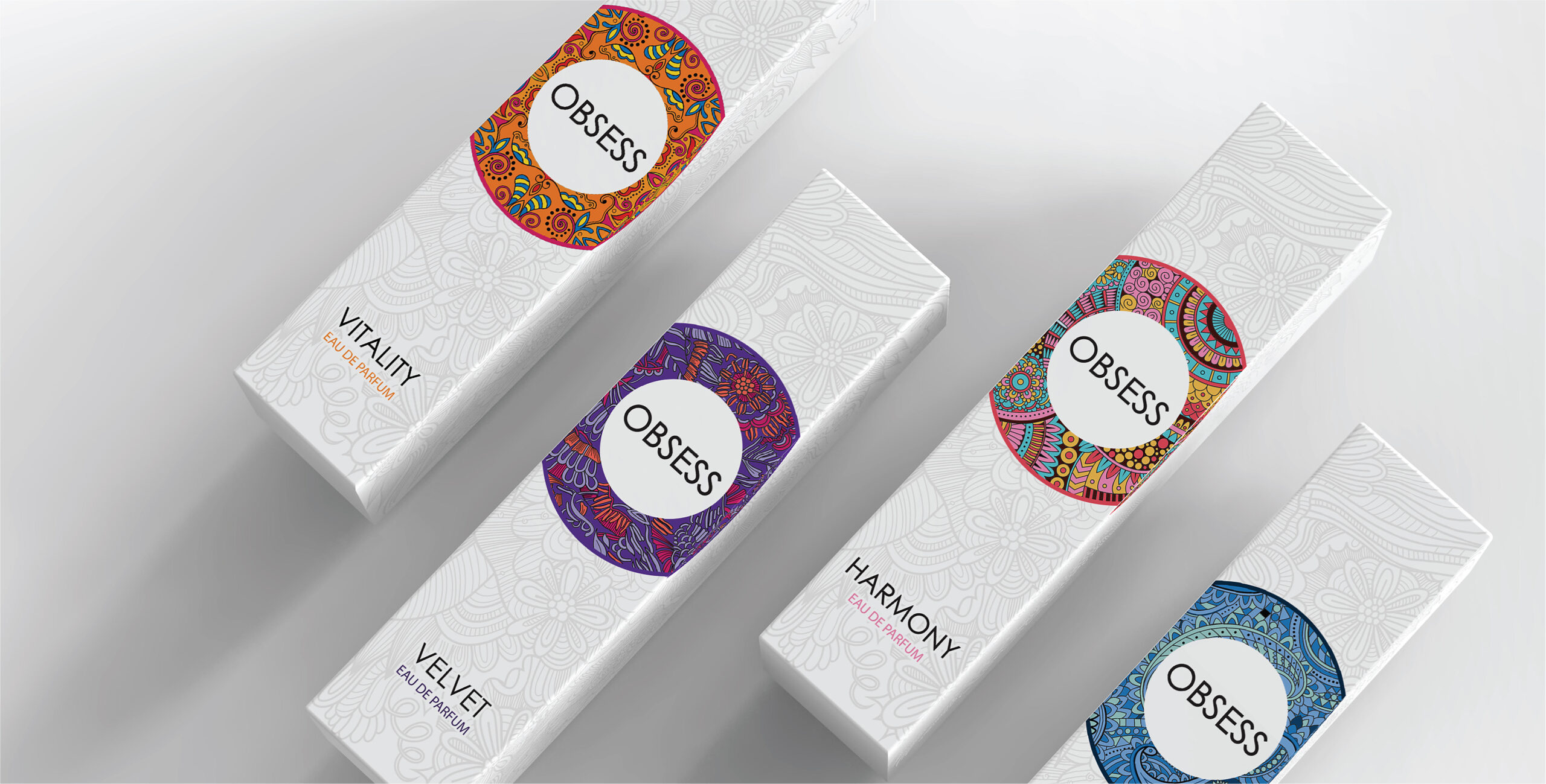
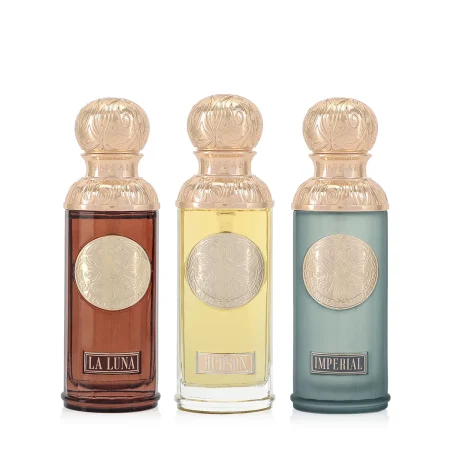
Middle Eastern consumers have historically favored luxurious, ornate, and culturally resonant designs, with packaging often referencing regional heritage through patterns, colors, and decorative elements.
Common elements include:
- Metallic accents (gold, rose gold, silver)
- Geometric or arabesque motifs
- Heavier glass and embellished caps
- Combination of minimal shapes with selective ornamentation
Balancing luxury and cultural expression is a unique strength of the region’s perfume design language.
Trends Likely To Continue
Texture & Tactility
Tactile elements such as soft‑touch coatings, matte finishes, and embossing create a sensory experience that supports premium perception.
Heritage & Limited Editions
Heritage brands frequently release limited edition bottles that nod to their origin stories or iconic eras — a strategy that deepens emotional engagement and creates collectible value.
Smart & Digital Packaging Elements
There is rising interest in integrating QR codes or NFC for storytelling and authentication, though adoption at scale is still emerging.
Key Design Principles for Luxury Perfume Bottles
To create a bottle that feels premium in any market today, focus on:
- Clarity of Intent: The design should reflect the fragrance’s identity and emotional core.
- Materials Matter: Weight, finish, and tactile quality influence perceived value.
- Balance & Restraint: Too much decoration can cheapen perceived luxury; thoughtful detail elevates it.
- Narrative Consistency: Bottle elements should align with the brand story and target audience.
These principles help designers and brands build bottles that withstand trends and appeal deeply to consumers.
In Summary
Perfume bottle design is where design, psychology, and market converge. Minimalism, sustainability, and tactility form the core of modern design language. Cultural variations add richness, while technology and personalisation continue to shape future brand development. If you are serious about launching your own perfume brand please check out our complete guide for perfume brands.
By grounding bottle design decisions in clear intent, thoughtful materials, and clear storytelling, brands can create packaging that not only protects a fragrance but elevates it into a luxurious and memorable experience.