If you’re sourcing custom perfume boxes, you’re likely

comparing folding cartons, rigid boxes, and semi-rigid

options while trying to understand the differences in cost, structure, and production requirements. 

You may also be considering:

  • How much each option costs
  • What minimum order quantities (MOQs) to expect
  • Which structure best fits your bottle and brand

This guide explains the types of perfume boxes,

materials, manufacturing processes, costs,

and decision factors to help you choose the right packaging for your product.

custom perfume boxes

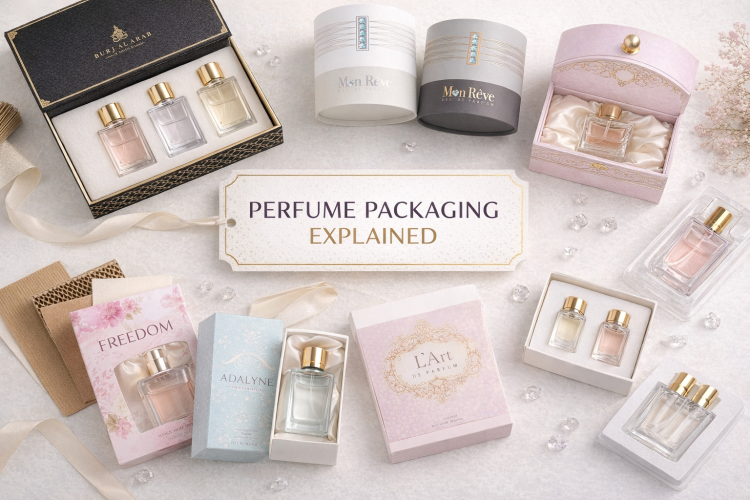
Types of Custom Perfume Boxes

1.Folding Cartons

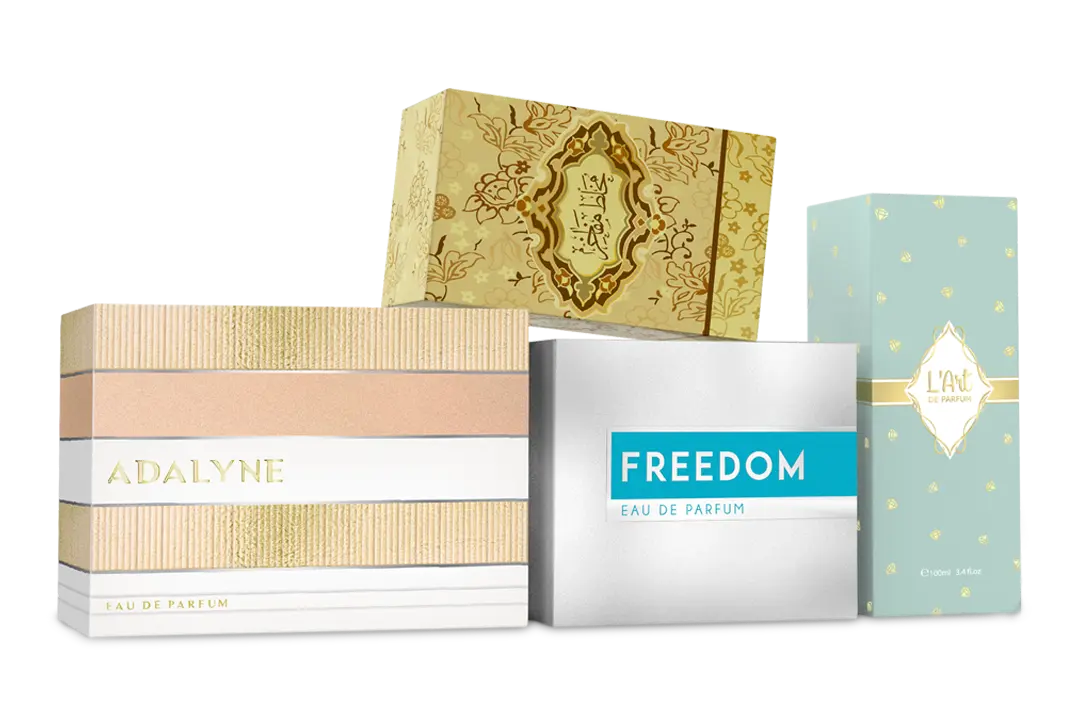
Folding cartons are made from flat paperboard sheets that are printed, die-cut, and folded into shape. They are the most commonly used packaging format for commercial perfume products.

custom perfume boxes

They are:

  • Cost-efficient
  • Suitable for large production runs
  • Easy to store and transport due to their flat-packed structure

Folding cartons are typically produced using offset printing, which allows for high-quality graphics, gradients, and detailed branding at scale.

Insert options for folding cartons include:

  • E-flute structural inserts
  • PET / PVC trays (less common due to sustainability concerns)
  • Inbuilt paperboard liner, where an extra flap from the dieline is folded and glued inside the box to securely hold the bottle

2. Custom Perfume Boxes: Rigid Boxes

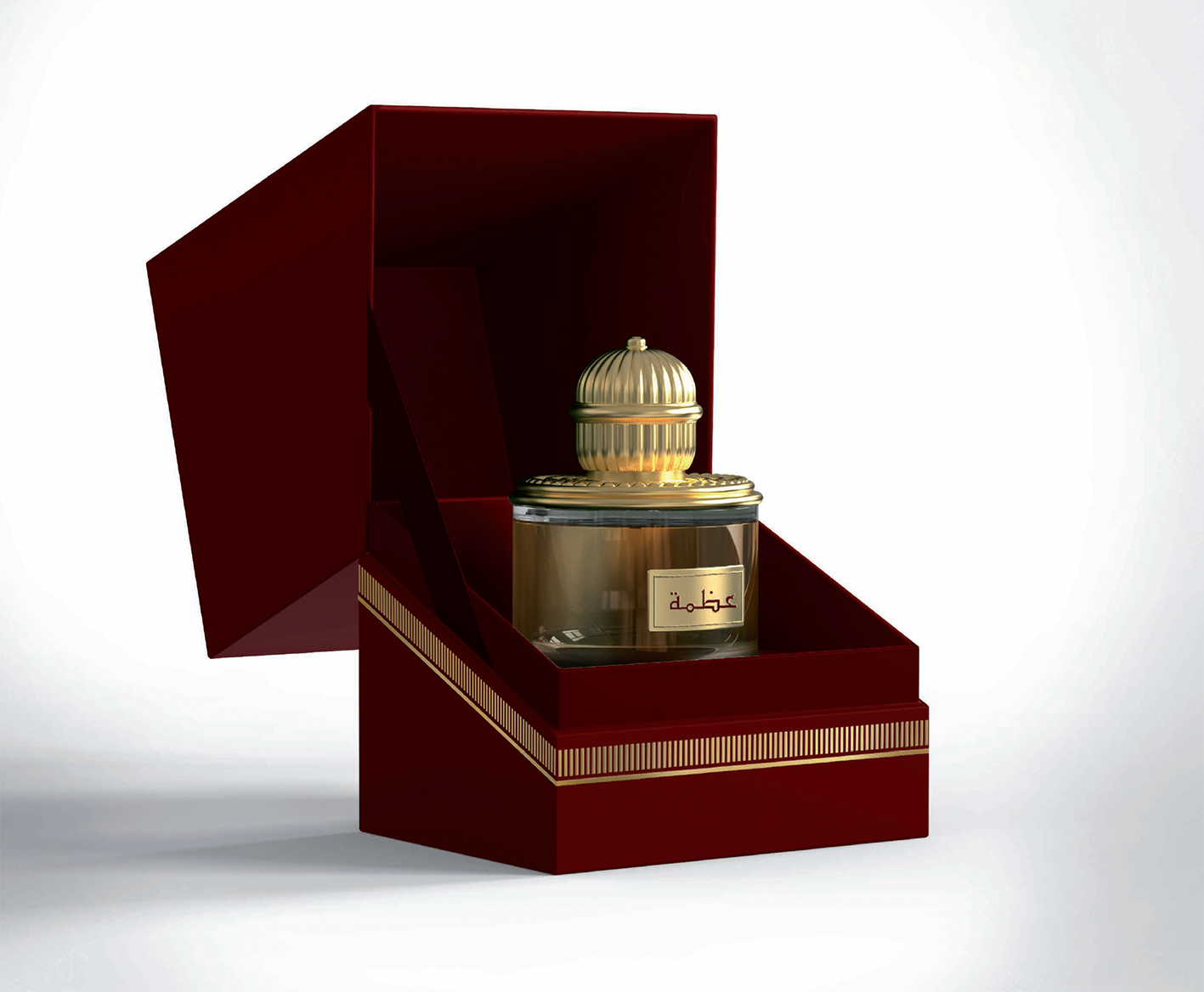
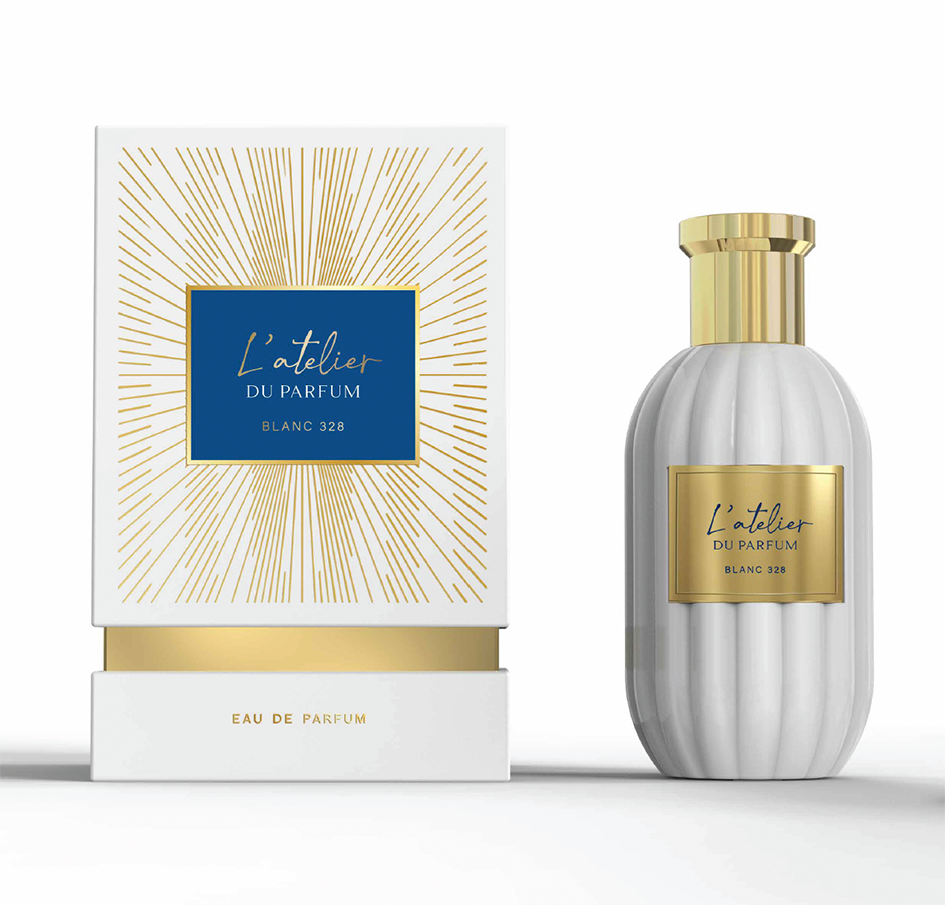
Rigid boxes are commonly used in luxury perfume packaging because they enhance perceived value and create a more premium unboxing experience.

Rigid boxes are made by wrapping decorative paper around a thick board (typically 2–3mm).

They are:

  • Non-collapsible
  • Premium in feel
  • Suitable for luxury positioning
custom perfume boxes

3. Semi-Rigid Custom Perfume Boxes

custom perfume boxes
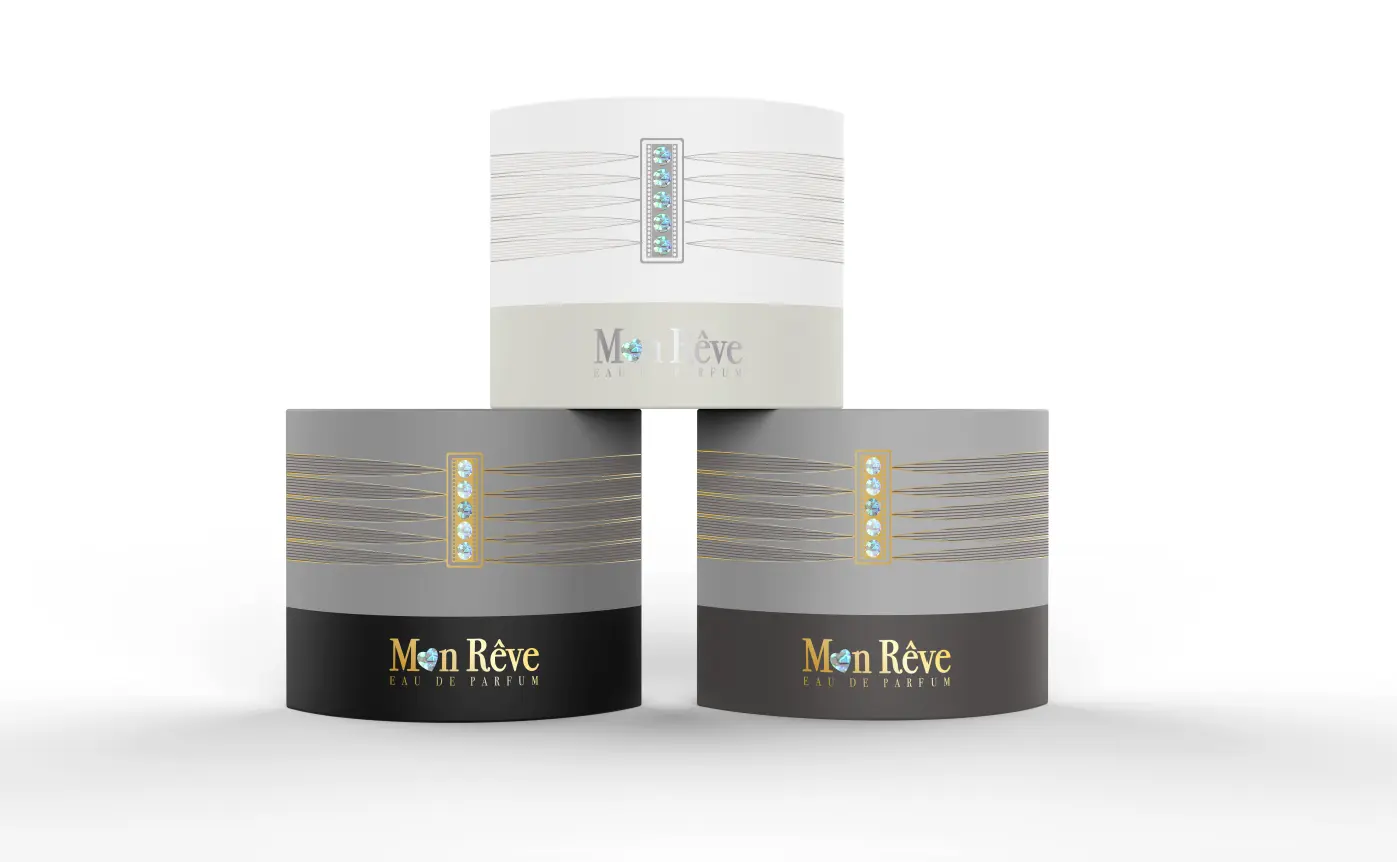
  • Semi-rigid custom perfume boxes are made from thick paperboard (typically around 300–400gsm) that is folded and glued into shape to create a more structured form.
  • They offer more structure than folding cartons while remaining lighter and less expensive than rigid boxes.
  • However, they require offset printing and similar setup processes, which means minimum order quantities are typically high, often comparable to folding cartons. Production timelines are also similar, depending on printing and finishing requirements.

Rigid Box Types Comparison

The table below compares the most common rigid box types based on cost, structure, and best use cases.

Type
Visual
Difficulty
Best For
Advantage
Lift-off Lid (Two-piece box)
custom perfume boxes
Medium
Taller bottles
Standard luxury packaging
Classic rigid box where the lid lifts off completely.
Hinged Box
Medium
Premium presentation
Gift-style packaging
The lid is attached and opens like a book.
Drawer / Sliding Box
Medium
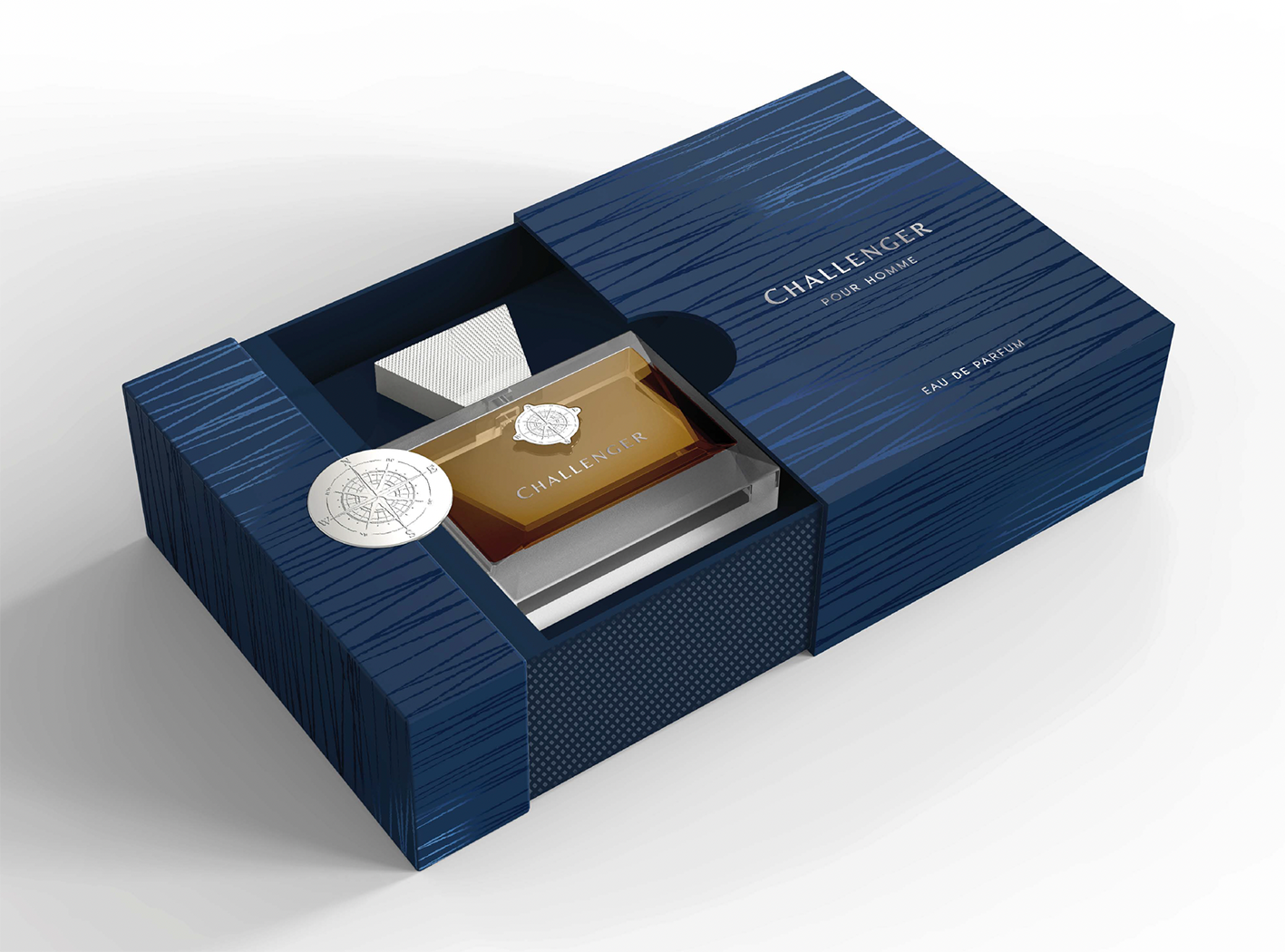
The inner tray slides out from an outer shell, creating a layered and interactive unboxing experience.
This structure works particularly well for shallower or wider bottles that are designed to lie flat, allowing for strong visual presentation when opened.
Magnetic Flap Box
Medium
Premium gifting
Secure packaging
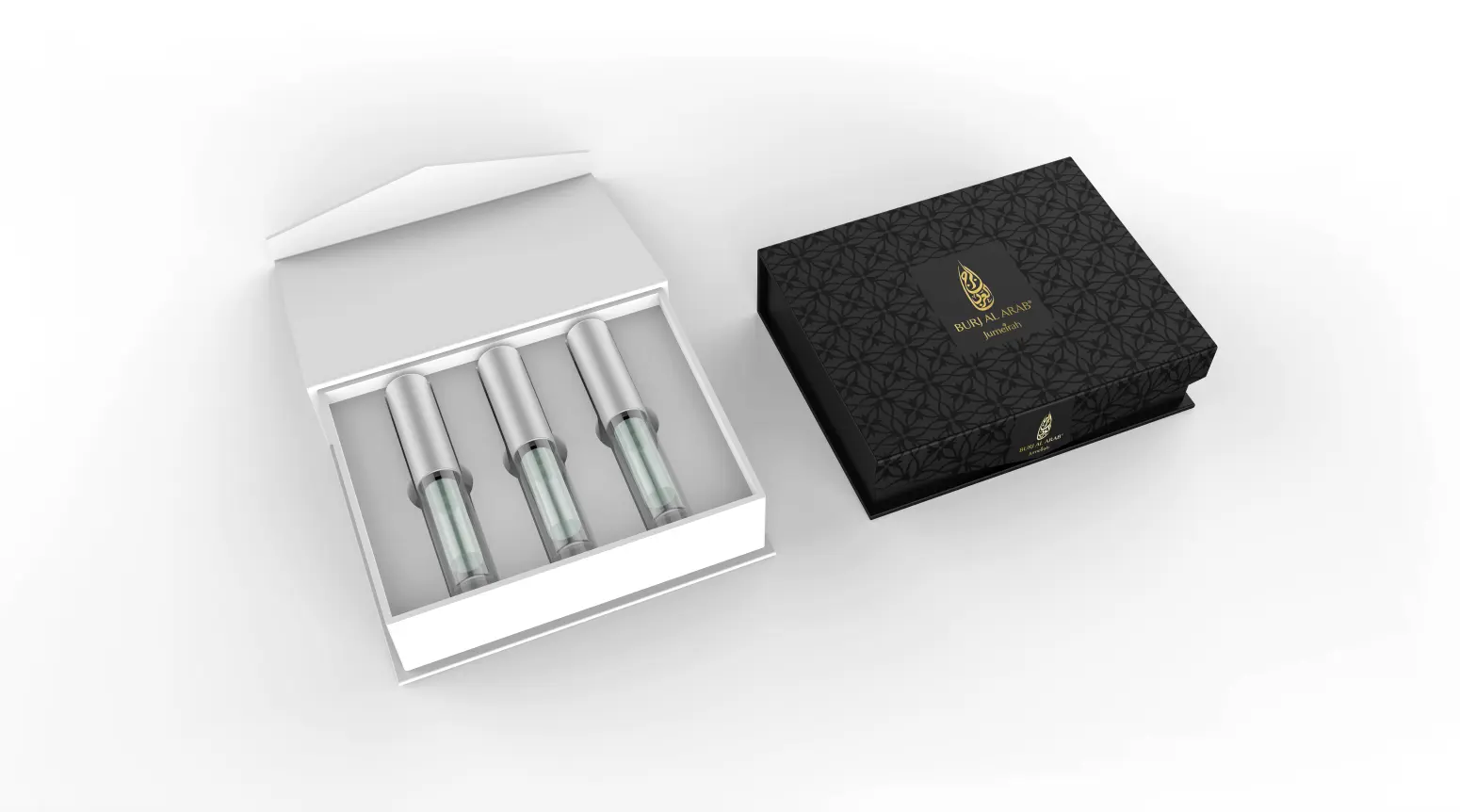
A book-style box with a magnetic closure.
Custom-shaped Rigid Boxes
Medium
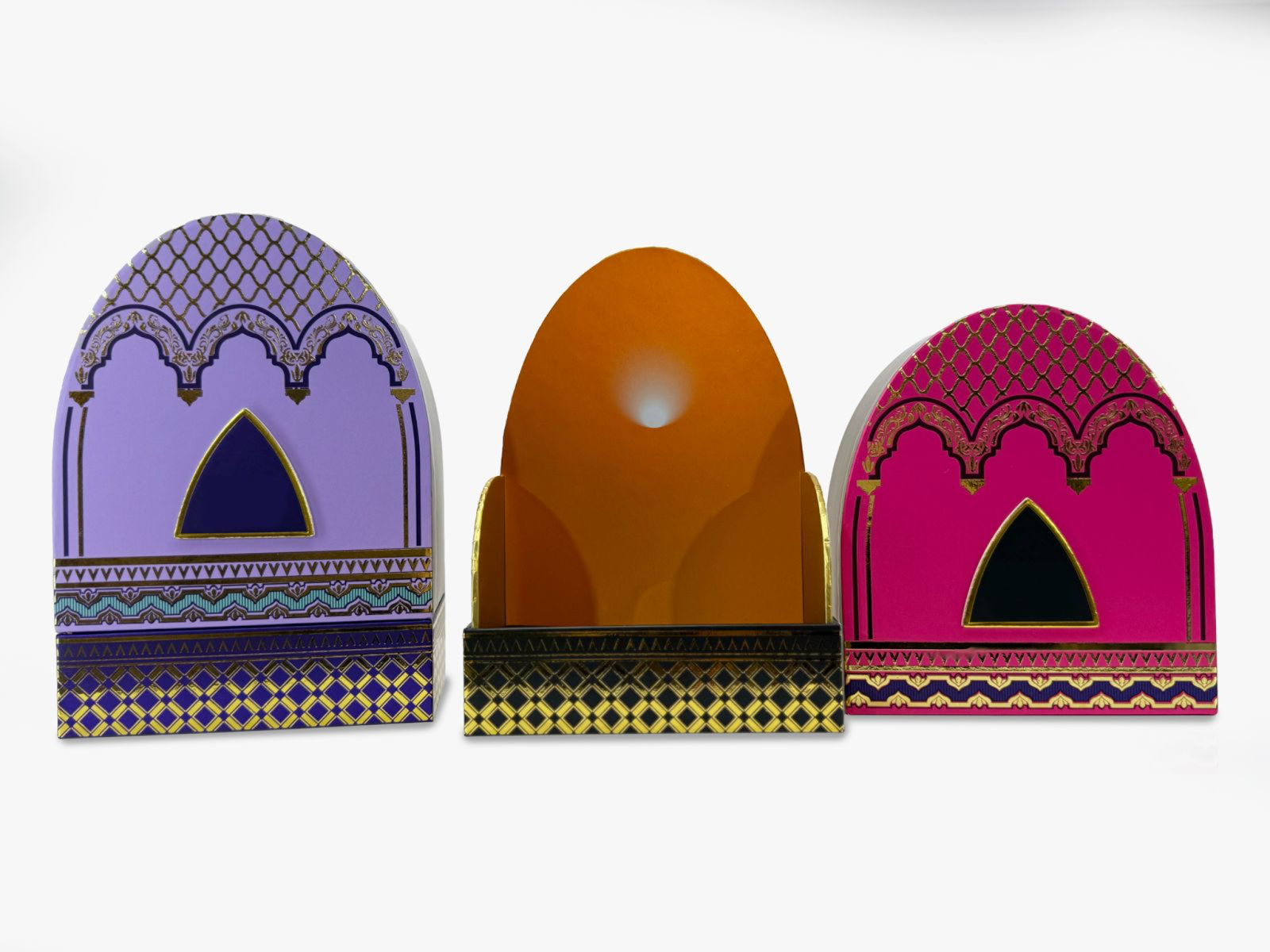
Custom shapes offer strong visual differentiation and can help a product stand out on the shelf. However, they increase manufacturing complexity and cost.
This is especially true for curved designs, as the wrapping process requires overlapping paper folds and more manual handling to achieve a clean finish. These additional steps increase production time and require a higher level of craftsmanship.

Inserts for Rigid Boxes

Perfume bottles require internal support to prevent movement and damage.

EVA foam

  • High-density
  • Premium finish
  • Can be covered with velvet

Standard foam

  • Lower cost
  • Can be covered with satin

PVC trays

  • Functional
  • Can be flocked or wrapped

Paper trays

  • More sustainable option
  • Lower structural support compared to foam or plastic inserts

Moulded pulp trays

  • Eco-friendly
  • More rustic appearance
  • Require mould tooling

How Rigid Boxes Are Made

Rigid boxes are manufactured by wrapping decorative paper around a thick board structure.

Key steps:
  1. Cutting
  2. Grooving (V-shaped cuts for clean edges)
  3. Scoring (used for folding cartons)
  4. Taping (forming structure)
  5. Wrap preparation
    • Can include CMYK printing on art paper
    • Foil stamping, embossing
  6. Wrapping and gluing

Materials Used in Perfume Packaging

Folding & Semi-Rigid Materials

Uncoated paper is more porous than coated paper, which makes it more difficult to achieve sharp, multi-colour printing. Ink does not flow as evenly on the surface, resulting in a softer, more muted appearance. However, this makes it particularly suitable for natural, minimalist, and eco-focused brands.

Rigid Box Materials

  • Greyboard (industry standard)
  • Kappa board (white, virgin fiber option)


Most “white rigid boxes” are:

  • Greyboard core + white paper wrap

Outer Wrap Options

  • Art paper (for high-quality CMYK printing)
  • Specialty papers

Specialty papers vary widely in type, ranging from PVC-based materials to natural uncoated paper finishes. These materials are often chosen for their texture and tactile quality.

However, highly textured papers can create limitations during decoration. In particular, heavily textured surfaces can make foil stamping more difficult, as the uneven surface can break or distort the foil finish.

How Much Do Custom Perfume Boxes Cost?

The cost of perfume packaging depends on the box type, materials, finishes, and production volume.

Folding cartons typically range from $0.10 to $1.00 per unit, depending on size, printing complexity, and finishes.

Rigid boxes typically range from $0.75 to $5.00 per unit, depending on structure, materials, inserts, and decorative finishes.

Additional factors that affect cost include:

  • Size and dimensions
  • Type of insert
  • Finishing techniques (foil, embossing, coatings)
  • Order quantity

What is the MOQ for Custom Perfume Boxes?

Minimum order quantities vary depending on the type of packaging and production method.

  • Rigid boxes typically require 3,000–5,000 units
  • Folding cartons typically require 10,000 units or more
  • Semi-rigid boxes also typically require around 10,000 units

For new perfume brands, MOQs can significantly impact initial investment and should be considered early in the product development process.

Decision Guide: Choosing the Right Custom Perfume Box

Working with experienced perfume packaging suppliers depends on several practical factors, including cost, brand positioning, and production scale. The following section simplifies the decision-making process.

Consider:

Budget

  • Folding cartons: lower cost
  • Semi-rigid boxes: mid-price point
  • Rigid boxes: premium

Positioning

  • Luxury: rigid boxes
  • Mass market: folding cartons

Volume

  • Small volumes favor folding cartons

Market

  • Retail shelf
  • E-commerce
  • Gift packaging

Production Timelines

  • Folding cartons: approximately 3 weeks
  • Rigid boxes: 4–6 weeks
  • Semi-rigid boxes: 4–5 weeks

Final Thoughts

Choosing the right perfume packaging depends on your brand positioning, budget, and product design. The right structure and materials can significantly impact both product protection and perceived value.

At Anisha, we help brands design and manufacture custom perfume packaging, including folding cartons, rigid boxes, and complete turnkey perfume solutions tailored to your product. and market.

If you’re planning a new launch or reviewing your packaging, get in touch to discuss your requirements.

FAQ

What is the best box for perfume packaging?

The best box for perfume packaging depends on your brand positioning, budget, and sales channel.
Rigid boxes are typically the best choice for luxury perfumes because they offer a premium feel, strong structure, and a high-end unboxing experience. Folding cartons, on the other hand, are better suited for large-scale production where cost efficiency and logistics matter more. For mid-range products, semi-rigid boxes can offer a balance between cost and presentation. Ultimately, the “best” option depends on whether your priority is branding, cost, or scalability.

Rigid boxes are generally more expensive than folding cartons, but they are often worth the investment for premium perfume brands. They significantly enhance perceived value, making the product feel more luxurious and gift-worthy. This can directly impact customer experience, brand positioning, and even pricing power. However, for high-volume or price-sensitive products, the added cost may not be justified. Brands should evaluate rigid boxes as a strategic investment rather than just a packaging expense

Yes, folding cartons can achieve a premium look when designed correctly. High-quality finishes such as foil stamping, embossing, debossing, and soft-touch lamination can elevate their appearance significantly.

Because folding carton board is typically thicker than the art paper used to wrap rigid boxes, it can often achieve a deeper and more pronounced effect in foiling and embossing. This allows for sharper tactile finishes and stronger visual impact in certain designs.

Using thicker board grades and well-designed inserts can also improve structure and presentation. While they may not match the tactile weight of rigid boxes, folding cartons can still deliver a strong visual impact and are widely used by both mid-range and premium perfume brands.

Rigid boxes are made from thick board (typically 2–3mm) and are non-collapsible, giving them a sturdy and premium feel. Folding cartons are made from thinner paperboard that is printed flat and folded into shape, making them more cost-efficient and easier to ship. Rigid boxes are commonly used for luxury perfumes and gift sets, while folding cartons are preferred for mass-market products and high-volume distribution.

The cost of perfume packaging depends on several factors, including box type, size, material, printing method, and finishing options. Rigid boxes are more expensive due to manual processes like grooving, taping, and wrapping, while folding cartons are cheaper because they are produced at scale using automated machinery. Additional elements such as inserts, magnets, embossing, and specialty papers can also increase the cost. Order quantity (MOQ) is another major factor, as higher volumes reduce the unit price.

For new perfume brands, folding cartons are often the most practical starting point due to lower cost and scalability. However, if the brand is positioned as premium or luxury, rigid boxes may be worth the investment to enhance perceived value. The right choice depends on budget, target market, and retail strategy.