How do You Launch a Perfume?
Launching a new perfume involves researching the market, creating a unique fragrance concept, formulating and testing the scent. After this you must design packaging, set the price and build your marketing and distribution strategy. Each stage must align to ensure product quality, brand positioning and commercial success.
The Key Steps for a New Perfume Launch are:
- Market Research
- Concept Creation
- Fragrance Formulation
- Packaging Design
- Pricing Strategy
- Production
- Branding and Marketing
- Distribution
- Sales Tracking
- Post Launch Growth
These steps form the foundation of any successful fragrance launch, from concept to market performance.
1. Market Research is Necessary
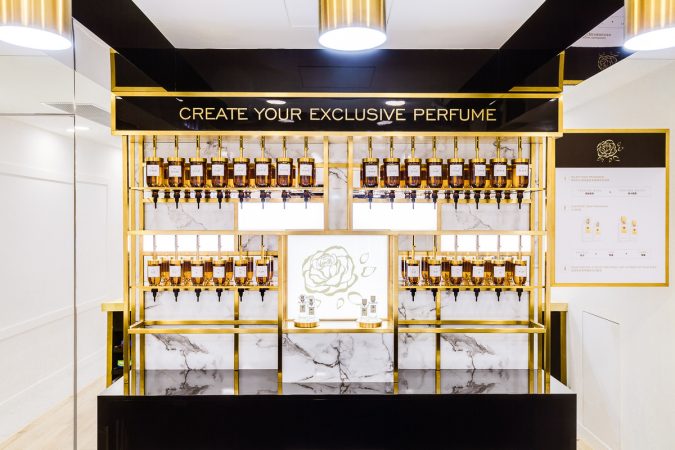
Research the market and identify the market segments, in addition which sectors are growing or declining. Which areas of the market are growing and which ingredients are becoming popular? You should ideally create a new perfume launch for a growing market segment, although this may sometimes mean that there is more competition. Examine other perfumes in your niche and see what is their pricing, also what are their ingredients, branding and packaging. Before starting any perfume product development is is vital to know the growing and declining areas of the market.
2. Concept Creation For Your New Fragrance Launch
A new fragrance launch should always stand out clearly against the existing market products and is offer something new or different. Craft a compelling story behind your perfume and think about the inspiration behind the fragrance.
3. Fragrance Formulation and Testing Your New Perfume
Work with a perfumer or use your own nose to develop a fragrance, then trial it to see how it performs. Ensure that the fragrance performance of your new perfume launch is as good or better than the current market leaders. Ensure that you have the necessary information about perfume safety and safe dosage levels. Ask friends, family and people from your target market to trial the fragrance to see how it performs for them.
4. Packaging and Bottle Design
One of the most underestimated factors for a new perfume launch is often packaging. It not only defines brand perception, but affects product stability, compliance and scalability.
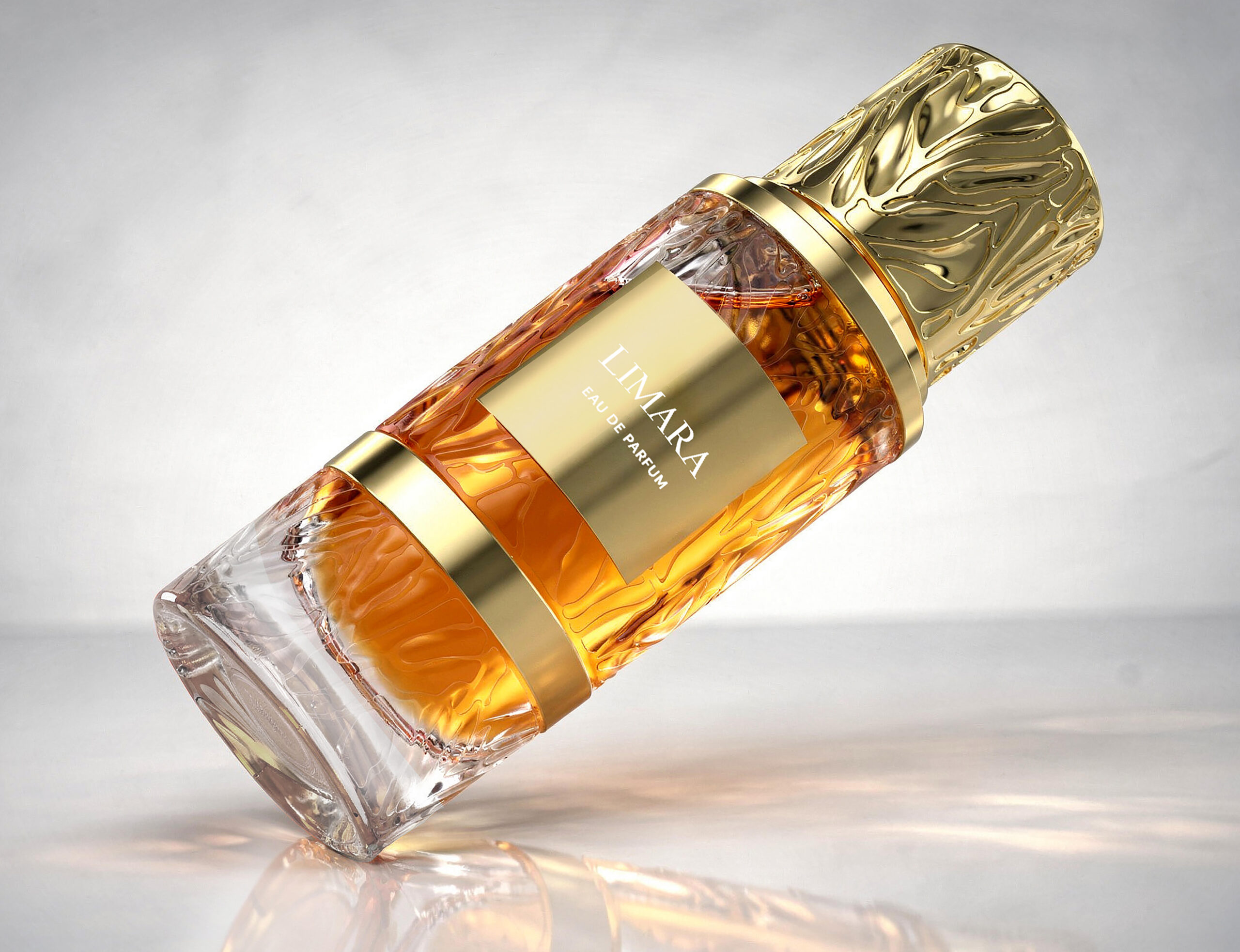
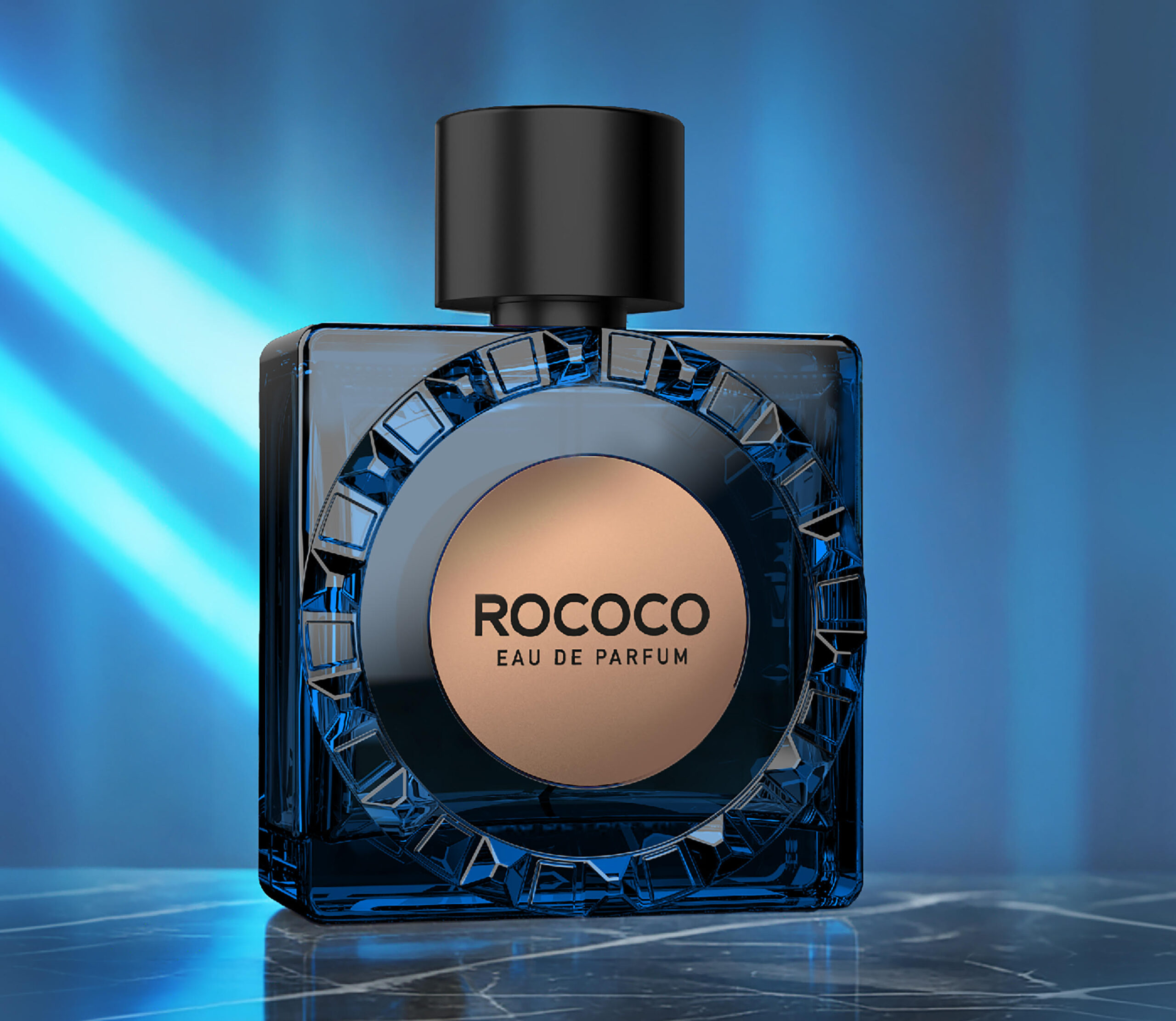
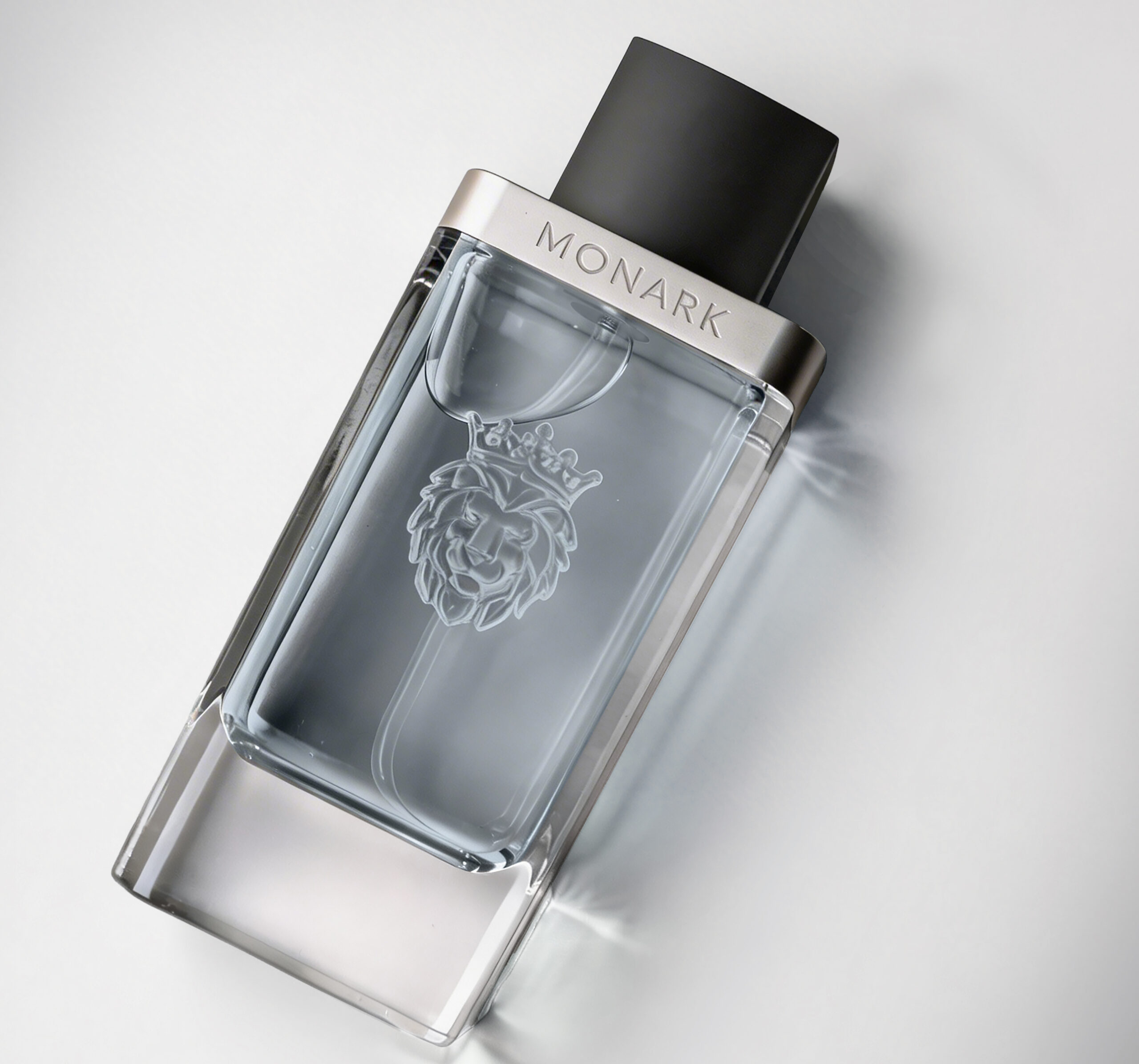
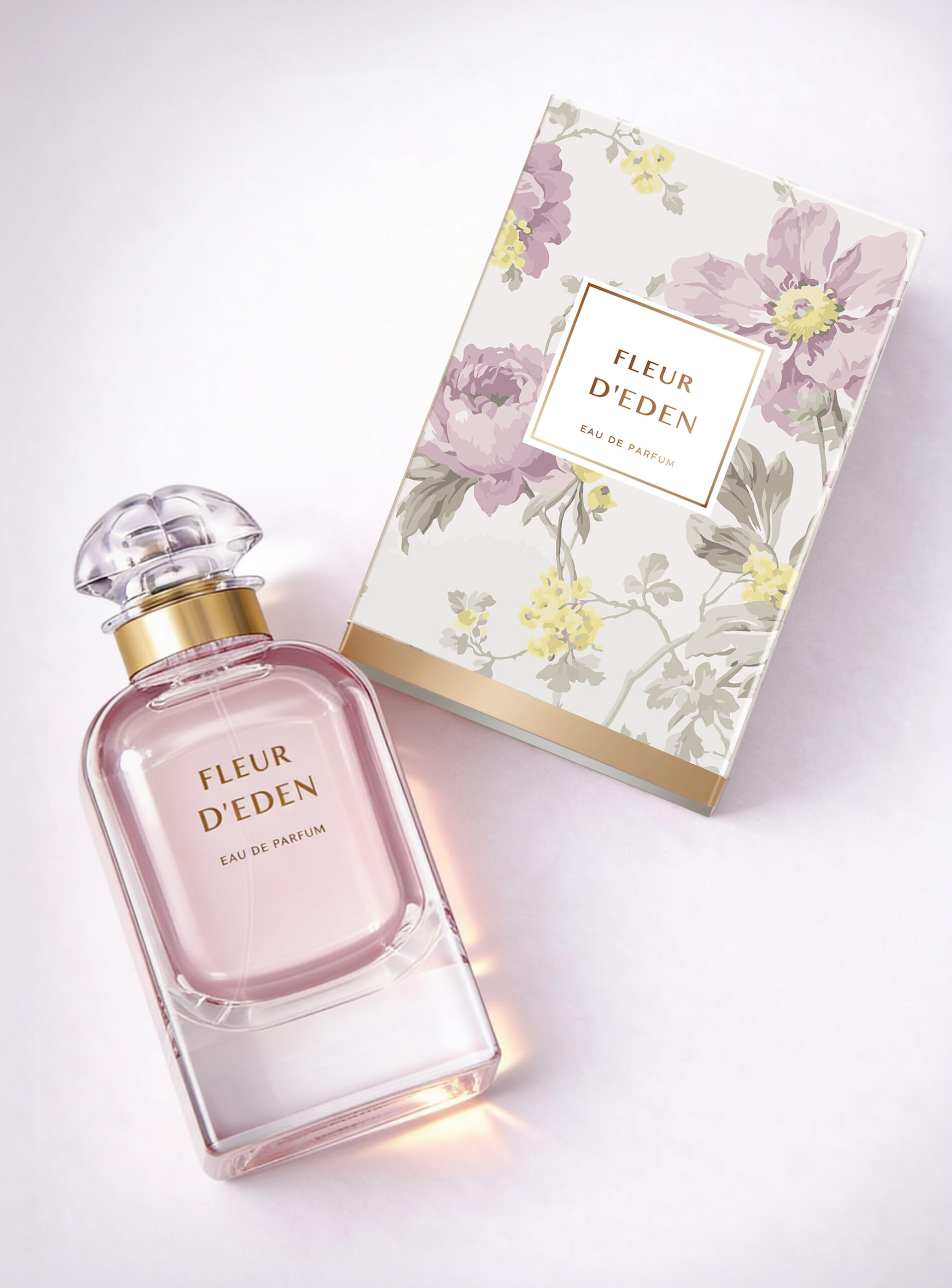
For new perfume brands packaging can be a difficult subject, as custom packaging often requires higher minimum order quantities. This is why new brands often start off with standard packaging moulds which are ready and available with smaller order quantities. Ensure that your new packaging fits cohesively, and make sure that the box design reflects the character of the bottle design. Additionally consumers are increasingly discerning and will know if something doesn’t align perfectly. Packaging must also be legally compliant and contain the right information about ingredients and allergens. Furthermore, packaging must be legally compliant and the requirements will differ from one market to the next.
5. Pricing Strategy for Your New Perfume Launch
Product pricing is a vital part of your fragrance launch strategy. Knowing the price point of your perfume will tell you the fragrance oil price you can afford in your product. Before your new perfume launch it’s crucial you have a clear idea of the packaging costs you can afford.First deduct the retail margin and the wholesale margin to reach the wholesale trade price. The Wholesale trade price should cover all of your packaging, filling and fragrance costs, but also give you a reasonable profit. Additionally, including a percentage for marketing costs within your wholesale price will allow you to spend on advertising.
6. Production Issues
Every new perfume launch needs a reliable filling factory partner who can ensure the right quality control and timing.
7. Branding and Marketing Strategy
Develop your fragrance brand’s visual strategy and visual identity. Create marketing materials for your new perfume launch, in addition to social media and website to communicate the brand story. Share the story behind the fragrance on various media platforms.
8. Distribution Channels
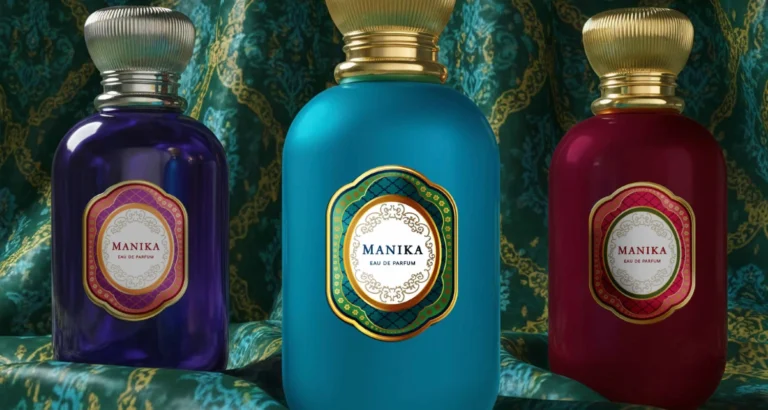
When you did your initial research you would have gained a good idea of the best distribution channels to sell your perfume through. For higher priced products you can work with luxury retailers or large department stores. For mass market perfumes you may wish to work with a company who has great distribution within supermarkets. If you wish to sell abroad ensure that you are aware of the different fragrance regulations abroad. Ensure you have the right partners for your new perfume launch who are invested in the success of your perfume. Alternatively you may decide to use the direct to market model and sell everything online on your own portal. But be aware that this requires a different skillset in order to build and market your brand and create excitement around it.
9. Sales Tracking
Track Sales data to see how the perfume launch is going, also actively listen to customer reviews and feedback to address any issues quickly. Visit the wholesale trade to gain valuable feedback and see how the brand is performing compared to competitors. See if there is anything more you can do to encourage the trade to push your brand.
10. Post Launch Growth
After the new perfume launch you must continue to push your product and build loyalty, as people will not look for this product until they know it well. Create seasonal promotions to encourage trial, make small trial size samples and continue to promote your brand on social media.
How much does it Cost to Launch a Perfume?
From our experience at Anisha the range of costs for product launch are as follows:
- Bottle : From $0.30 to $0.60 for an uncoated bottle
- Bottle decoration: From $0.03 per colour for screen printing to $2.00 for advanced decorative techniques. Decoration costs can really stack up if you want multiple high cost techniques.
- Perfume pump: From $0.10 to $0.50 per piece for a good quality Chinese pump to a European pump. Aluminium sleeves will also vary widely in cost.
- Perfume cap: From $01.0 for the cheapest lightweight plastic caps to $5.00 for marble stone caps. Cost will vary according to weight and materials used.
- Perfume box: From $0.30 for a simple folding box and liner to $3.00 for a typical rigid paper box to $20 for a real wood box. Prices will vary a lot according to complexity, quantity and materials used.
- Filling cost: The filling cost of a perfume of a good quality filling factory is between $0.40 and $0.50 per piece.
- Perfume cost: The cost of a perfume oil depends on your brief to the perfume company. You may ask the fragrance company to make an amazing fragrance containing a lot of natural and rare ingredients. This would inevitably result in a high product cost, but fragrance companies can often work on the oil to make a similar version at a lower price point if required. Fragrance oils supplied to the perfume trade start at around $30 per kilo for mass market perfumes. For niche and luxury companies the price per kilo can exceed $300. The cost of fragrance in your perfume will also depend on the dosage of perfume. Companies may add between 8% to 30% fragrance oil in their perfumes. It is possible to use less fragrance oil in a perfume, as sometimes ingredients are very powerful in combination and do not need a high concentration to achieve a good result.
- Distribution costs : If you are purchasing products abroad, then you will have to pay shipping costs as well as import fees and duties at the destination port close to where you will fill the perfume.
- Warehousing costs: It is unlikely that you will be able to ship all the goods immediately to your clients, therefore you may need to pay a warehousing fee to story your goods. The cost of this can be high and will certainly vary according to the country and city.
- Advertising costs: Even if you only launch on social media, the costs of advertising can soon add up. Multiple ads usually run simultaneously nowadays to test out the target audience likes and to avoid ad fatigue. Therefore you must allocate enough money to ensure you can run an effective campaign which will provide enough marketing insights.

How Long Does it Take to Launch a New Perfume?
The length of time to launch a new perfume will depend on what type of packaging you decide to use, as this will create the longest lead-time. You have various options and lead times for different items:
- Standard stock perfume bottles : These bottles may be held in stock with certain wholesalers. Therefore you can avoid long lead-times for bottle manufacture. Normally you can get hold of bottles within a couple of weeks, more if you need to ship them from abroad. On top of this lead-time you may need to add the time of custom decoration. This can add a month to your lead-time at least, as you need to make a trial sample of the decoration first. After the sample is approved, then production will go ahead.
- Standard perfume bottles not in stock: For these bottles there is a lead time of manufacture of around 6 to 8 weeks usually. Also we should factor in the time to decorate the bottles after the glass production has finished, this can take up to three weeks more. Sampling of the bottles can usually take place during the time when we are waiting for the glass to be manufactured.
- Custom perfume bottles : The lead-time for manufacture is the same as for standard perfume bottles not in stock. However, we need to add the time to make the new perfume bottle mould and a few weeks to make a sample of the first bottle. Therefore the lead-time is 6 to 8 weeks plus another 7 weeks plus the decoration time of up to 3 weeks more. This adds up to a total of up to 18 weeks.
Normally we can sample other items and manufacture during the manufacture of the glass bottles. Because this lead time is the longest out of all the material lead times, we normally arrange all other product components around the availability of glass bottles. Obviously shipping lead times add to the timings mentioned above and will depend on the destination where the goods will be shipped.
Is It Profitable to Launch a New Perfume?
Can you make money from Perfume?
Yes, you can make money from perfumes, but profitability depends on pricing, margins and scale.
What affects profit in the perfume industry?
Several key factors affect profitability:
- Retail and wholesale margins
- Marketing and promotions
- Tester and sampling costs
- Slotting fees for supermarket stockists
- Point of sale materials
Is it Easy to Make Money from Perfumes?
No, early on profitability can be challenging. New brands need to invest heavily in marketing and brand awareness, as retailers may be unwilling to stock unknown products. Initial sales are not guaranteed, so additional financial support is usually required during the launch phase.
Do Niche Perfumes Make More Money Than Mass-Market Perfumes?
Niche perfumes generate higher revenue per unit, meaning less sales are required to reach profitability. However, success in this segment requires:
- Clear storytelling
- High Fragrance Quality
- Premium Packaging and Branding
Mass market perfumes, on the other hand, require high sales volumes to generate a profit.
Any new perfume launch takes a lot of time, effort, artistry and careful planning. Having a partner like Anisha who has a vast experience of new product creation and product launching can ensure that your new product launch is a success. Knowing the financial aspects of setting up your own brand is vital, which is why our no nonsense perfume start up guide is very helpful. At Anisha we work with fragrance brands from concept through to launch to ensure that formulation, packaging and strategy align seamlessly. If you are planning a new fragrance launch, get in touch with us to navigate the process with clarity and precision.
Blog Post Updated on 27 March 2026.