Skip to content
Niche perfumes are expensive, and the question people ask most often is simple: are niche perfumes really worth the money, or is it just clever marketing?
The short answer is: sometimes yes, sometimes no. The price of a niche perfume is usually higher because of smaller production runs, higher-quality ingredients, more experimental fragrance development, and selective distribution. But a higher price does not automatically mean better perfume.
Over the last five to six years, the niche perfume market has grown rapidly, with annual growth estimates ranging between 10 and 15 percent, depending on how “niche” is defined. Some classify niche perfumes as truly independent brands with limited distribution. Others include luxury perfumes that are widely sold but priced at the premium end. This blurring of definitions has made it harder for consumers to judge niche vs designer perfume value objectively.
Why Are Niche Perfumes So Expensive?
To understand whether niche perfumes are worth the money, it helps to understand why they cost more in the first place.
Niche perfumes are typically produced in smaller quantities, which means higher cost per unit. They often use more complex or higher-quality raw materials, particularly naturals, resins, and specialty ingredients. In many cases, the perfumer is given more creative freedom, which results in bolder, less commercial compositions.
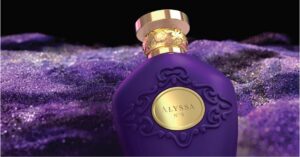
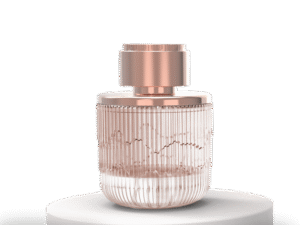
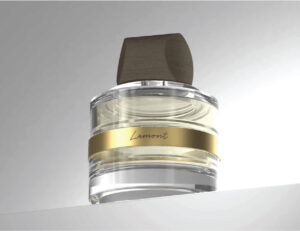
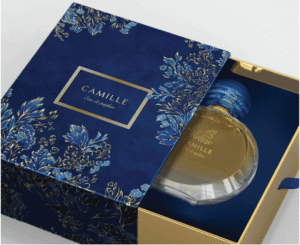
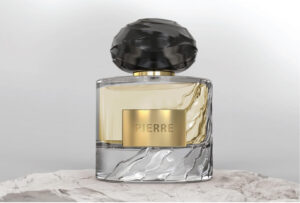
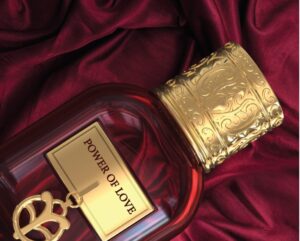
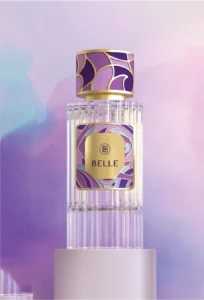
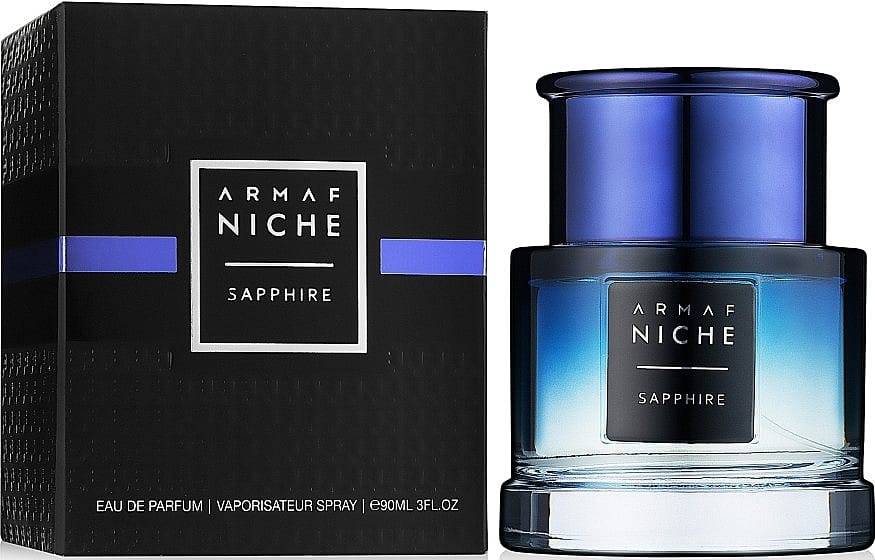
Packaging also plays a role. Niche brands tend to invest heavily in bottle weight, caps, labels, and box construction. Unlike mass designer perfumes, which rely on scale to control costs, niche brands must justify their price through craftsmanship and perceived rarity. (This is closely linked to perfume packaging design, which we explore in more detail in our design-focused articles.)
Are Niche Perfumes Better Than Designer Perfumes?
This is where opinion divides.
Designer perfumes are usually built for mass appeal. They are tested extensively, refined to offend as few people as possible, and supported by large marketing budgets. Niche perfumes, by contrast, are often designed to polarise. You are expected to love them or hate them.
So, are niche perfumes better than designer perfumes? Not necessarily better, but different. A well-made niche perfume can offer originality, depth, and personality that many designer fragrances avoid. But poorly executed niche perfumes exist too, and high price alone does not guarantee quality.
What Does It Take to Be a True Niche Perfume?
To justify its price and positioning, a niche perfume needs more than a high retail tag.
- Strong storytelling and a clear reason for existing
Niche perfumery does not tolerate mediocrity. There must be a clear concept, philosophy, or creative direction behind the brand. - Creative risk-taking
Niche perfumes should push boundaries. Safe fragrances rarely earn long-term respect in this category. - Price alignment
The price must reflect the rarity of ingredients, the quality of formulation, and the packaging. When pricing feels disconnected from the product, consumer trust erodes quickly. - High-grade materials
This applies to both fragrance and packaging. Cutting corners in either damages credibility, especially with knowledgeable perfume buyers. - Selective distribution
Finding a niche perfume in a discount store undermines the entire concept. Distribution strategy is critical to maintaining prestige. - The perfumer matters
While not essential, having a respected “nose” behind the brand adds credibility. For perfume aficionados, experienced perfumers are influential figures whose involvement signals seriousness and craft.
Niche Perfumes: A Victim of Their Own Success?
As the niche perfume market has grown, it has attracted many new entrants. Unfortunately, not all of them bring strong concepts or high standards.
Many brands now launch with generic storytelling, familiar scent profiles, and average packaging. As a result, the line between true niche perfumes and expensive mass-market fragrances has become increasingly blurred. Consumers struggle to distinguish between authentic niche brands and premium-priced designer alternatives.
Another major shift has been the acquisition of niche brands by large multinationals. Brands such as Maison Francis Kurkdjian, Jo Malone, Diptyque, and Kilian are now owned by global groups. While quality often remains high, distribution becomes wider, and the original “limited access” philosophy changes.
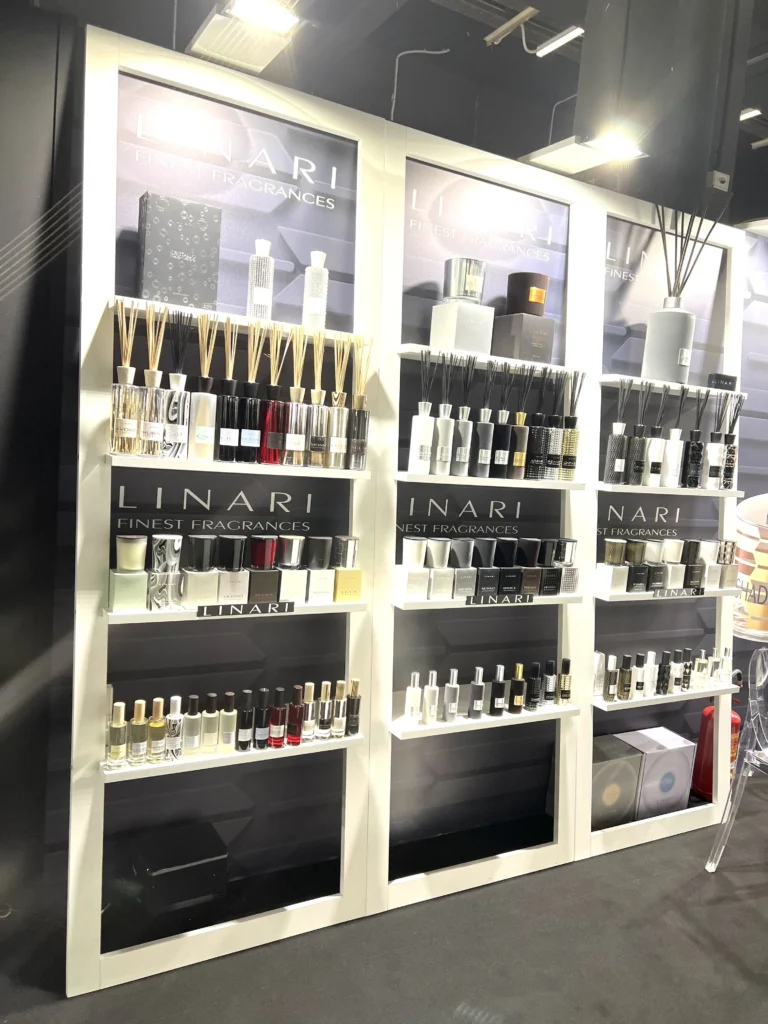
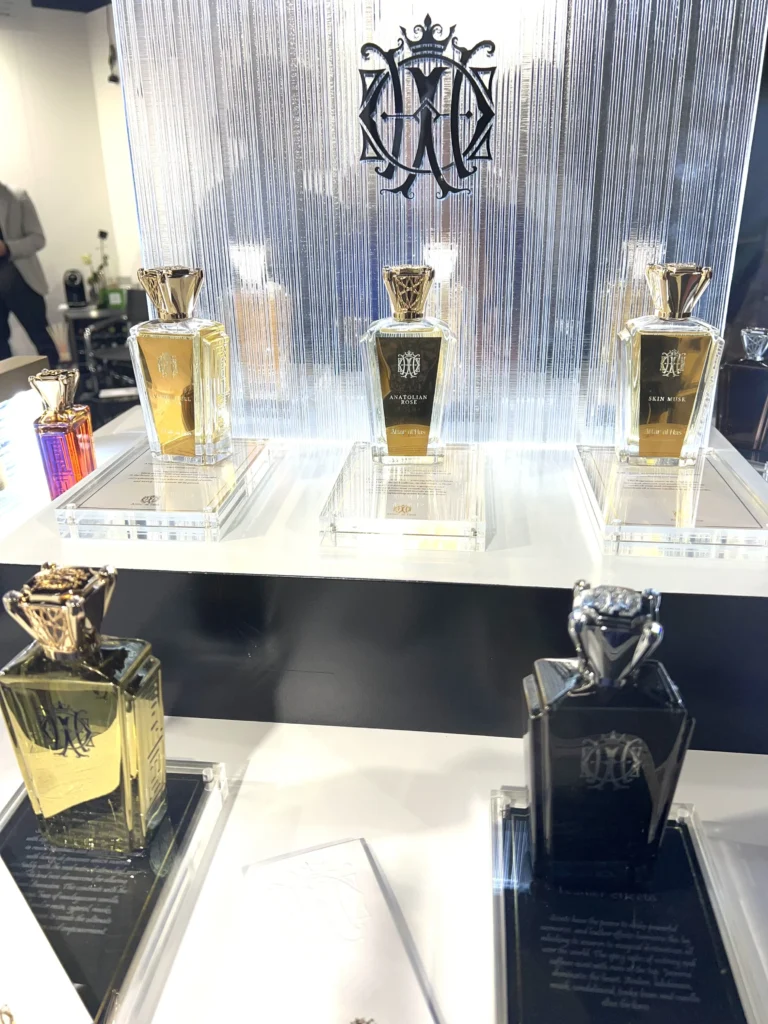
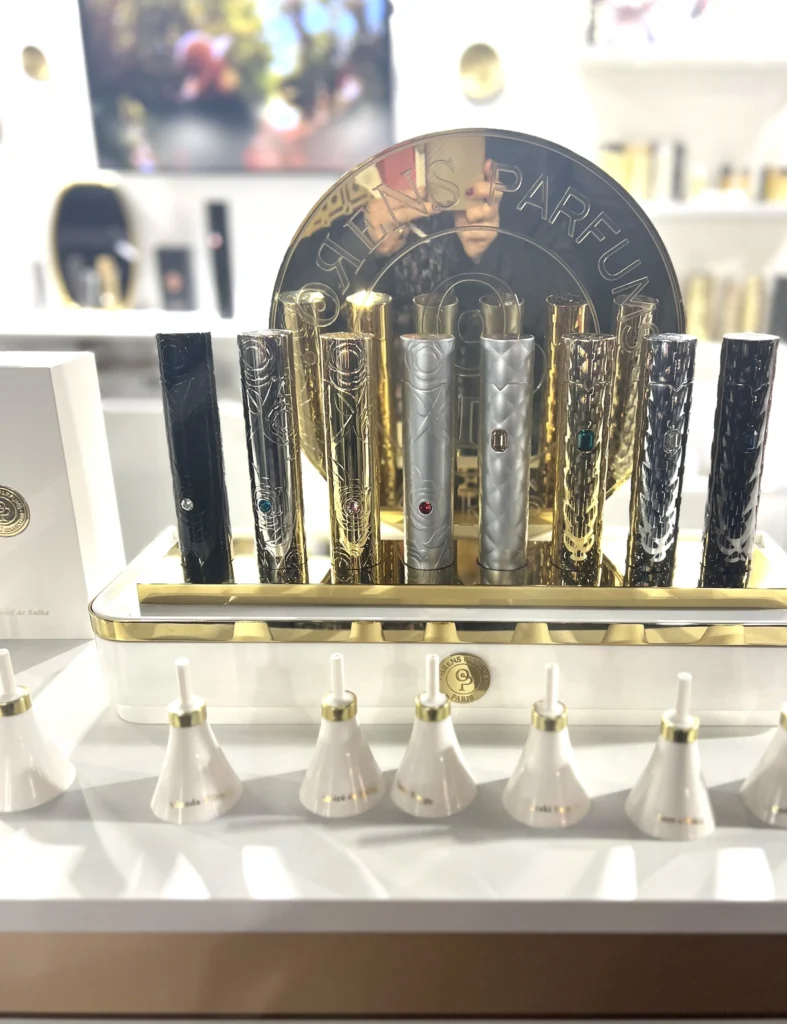
Lessons from the Esxence Niche Perfumery Exhibition
Esxence, held annually in Milan, is often described as the Mecca of niche perfumery. In its early years, it was hosted in a small venue in central Milan. Today, due to overwhelming demand, it takes place in a much larger exhibition space outside the city.
While the scale of the event reflects the success of niche perfumery, it also highlights a creative challenge. Many new brands launch collections that follow familiar patterns: a floral, an oriental, a gourmand, a fougère. Creativity can feel repetitive, with fewer truly experimental ideas than expected.
Key Takeaways: Packaging and Competition
One noticeable change at recent exhibitions has been the level of investment in packaging. In earlier years, many niche brands relied on standard bottles and focused almost entirely on ingredients. Today, competition is so intense that outstanding perfume packaging design has become essential for differentiation.
This shift reinforces an important point in the niche vs designer perfume value debate: presentation is now inseparable from perceived quality.
Is the Niche Perfume Market Saturated?
Industry voices increasingly suggest that it is.
A recent article by Roberta Branchini, who has worked with major luxury groups such as LVMH and Puig, points to global saturation driven by oversupply. Too many brands claim to be rare and exclusive, which has diluted the meaning of those terms. She predicts that many smaller brands will disappear, while others will be acquired by larger groups. According to her, strong distribution infrastructure will play a key role in future success.
We partially agree. However, we believe that excessive mass distribution risks stripping niche perfumery of its soul. True niche perfumery should remain an experimental space, not a numbers-driven luxury category. When rarity is replicated at scale, its emotional value diminishes.
So, Are Niche Perfumes Worth the Money?
The answer depends on execution.
Well-conceived niche perfumes with strong creativity, quality ingredients, thoughtful packaging, and controlled distribution can absolutely justify their price. Poorly thought-out brands, regardless of how “exclusive” they claim to be, will struggle to survive.
One thing is certain: as more brands enter the space, competition will intensify. Only those with a clear vision and disciplined execution will achieve long-term success in niche perfumery.
Our guide to the Middle East, Bakhour, attar and Oud is designed for perfume brands wishing to create an oriental perfume brand. and If you enjoyed this article, you may also like our piece on the most influential Middle Eastern perfume brands, or explore our perfume design blogs to better understand how creativity and packaging shape perceived value.