
Why is Luxury Perfume glass heavy compared to mass market perfumes? One mistake we see quite often with new fragrance brands is underestimating how much bottle weight affects the final perception of the product, a core focus of this luxury perfume glass weight guide.
A brand may invest heavily into the fragrance itself, but then choose lightweight glass because it reduces overall product cost or shipping weight. The problem is that once you move into luxury or niche pricing, customers expect the bottle to feel substantial in the hand.
The opposite can also happen.
Sometimes brands make the bottle excessively heavy because they assume heavier always means more luxurious. But particularly on larger 100ml bottles, too much glass weight can make the bottle uncomfortable to hold and awkward to spray.
In practice, luxury perfume packaging is usually about balance:
- glass clarity
- wall thickness
- push-up base depth
- bottle proportions
- and cap weight all need to work together
The requirements also change significantly depending on the market sector.
A mass-market fragrance bottle under £30 will normally use very different glass specifications compared to a niche fragrance bottle retailing at £180 or more. The type of glass, the thickness of the sidewalls, and the depth of the base are usually engineered according to the intended price positioning. In luxury fragrance packaging, bottle weight is often closely connected to overall market positioning and retail strategy.
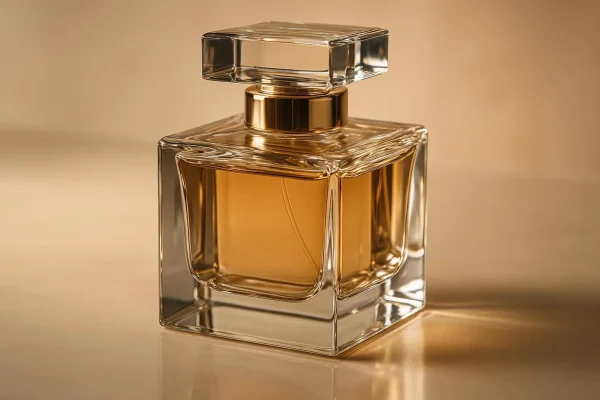
Standard Cosmetic Glass vs. High-Flint Glass
Not all perfume bottles use the same type of glass, and the difference becomes much more noticeable in luxury packaging.
Standard cosmetic glass is commonly used in mass-market fragrance bottles because it is more cost-efficient and suitable for high-volume production. However, it is usually lower in density and can sometimes show a slight green or grey tint, particularly around thicker areas of the bottle.
In many commercial fragrance bottles, the glass is also lacquered or fully coated, which means the natural glass quality underneath is less visible to the customer.
For commercial fragrance lines, this is often acceptable because the packaging strategy is focused more on scalability and cost control.
Luxury and niche fragrance brands typically move toward high-flint glass instead.
High-flint glass (luxury perfume bottle weight), sometimes called ‘super flint’ or ‘extra flint’ glass, has:
- higher optical clarity
- greater density
- better brilliance
- and a heavier feel in the hand
This is one of the reasons niche fragrance bottles often feel dramatically different compared to mass-market products, even before decoration or finishing is added.
The clarity also affects how the fragrance itself appears inside the bottle. Cleaner glass with less tint allows the liquid colour to appear brighter and more refined.
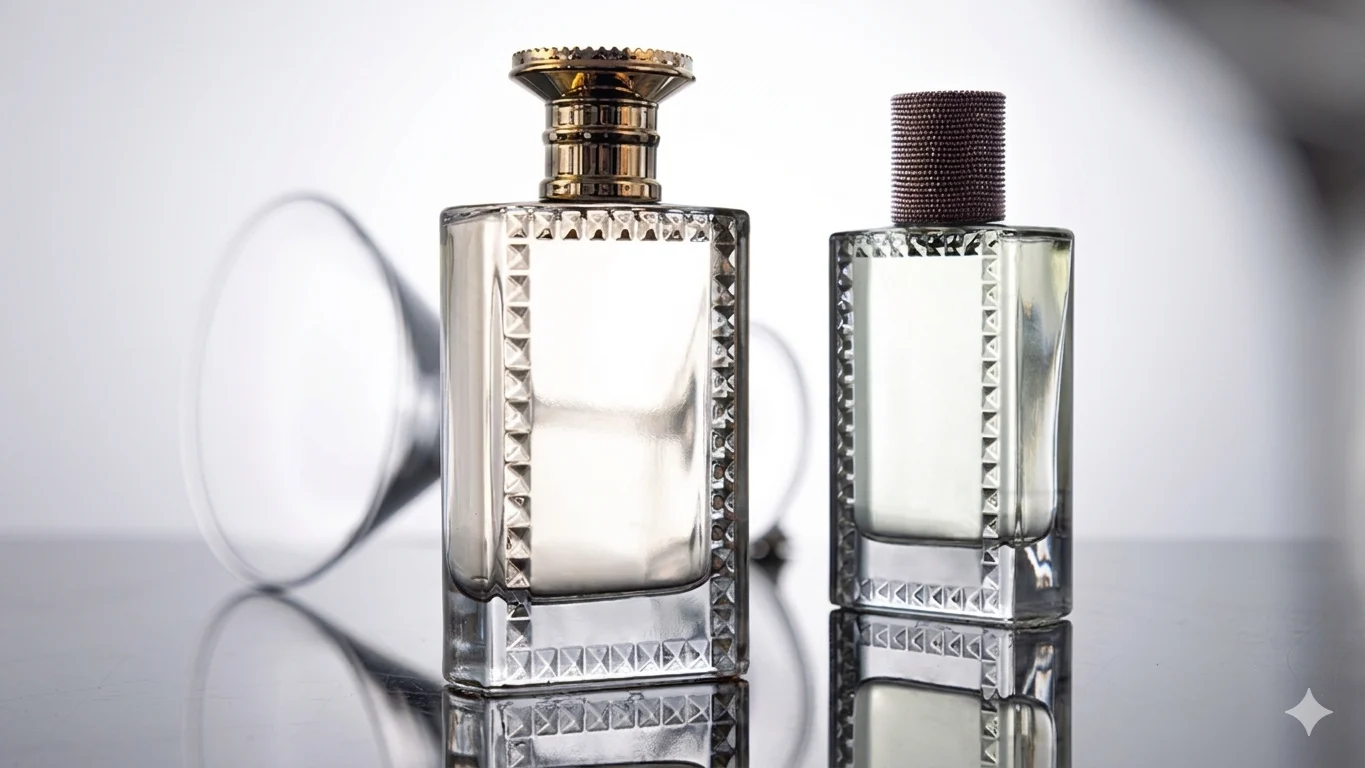
The Anatomy of Luxury Perfume Weight in a Perfume Bottle
When brands talk about wanting a “heavy luxury bottle,” they are usually referring to several different structural elements working together.
Sidewall Thickness
Perfume glass wall thickness refers to how thick the glass is around the body of the bottle.
Increasing the sidewall thickness:
- adds weight
- improves durability
- changes how the light refracts through the bottle
- and creates a denser feel in the hand
Luxury and niche brands will often increase wall thickness specifically to create a more substantial tactile experience.
However, this has to be balanced carefully with bottle size. Thick walls on a large bottle can quickly make the product too heavy or uncomfortable to use.
The Push-Up Base (Punt)
The push-up base, sometimes called the punt, is the thick glass section underneath the bottle.
This is one of the most important areas in luxury perfume bottle design because it controls where the weight is concentrated.
A deeper push-up base:
- lowers the centre of gravity
- improves stability
- creates the illusion of a larger bottle
- and makes the product feel heavier when lifted
Many luxury fragrance brands intentionally concentrate weight in the base rather than excessively thickening the entire bottle.
This creates a more balanced and ergonomic result.
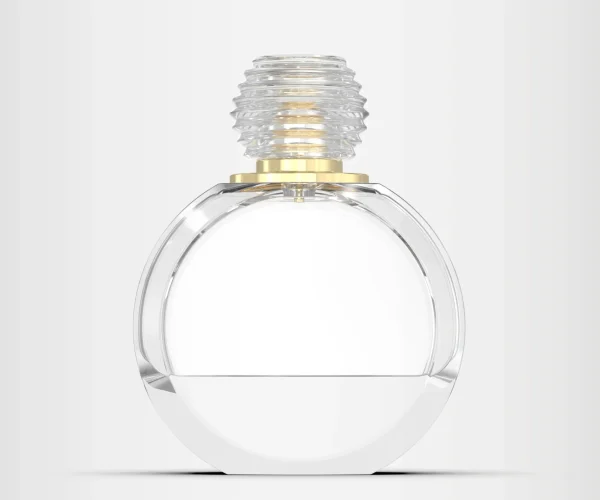
Perfume Bottle Glass Thickness Standards by Market Sector
Different fragrance sectors use different packaging benchmarks depending on price positioning.
The table below shows typical perfume bottle glass thickness standards used across the industry.
Market Sector |
Typical Price Point |
Sidewall Thickness |
Push-Up Base Thickness |
Glass Material |
|---|---|---|---|---|
Mass Market
|
Under £30
|
2.5mm – 4.0mm
|
5mm – 15mm
|
Standard clear glass
|
Mid-Market / Masstige
|
£30 – £80
|
3.5mm – 5.0mm
|
10mm – 18mm
|
Standard or mid-flint glass
|
Luxury / Designer
|
£80 – £150
|
4.0mm – 6.0mm
|
15mm – 20mm
|
High-flint glass
|
Niche / Ultra-Premium
|
£150+
|
5.0mm – 8.0mm+
|
20mm – 25mm+
|
Extra-flint or hand-polished glass
|
In mass-market fragrance bottles, push-up bases can sometimes be lower than 8mm depending on cost targets and production requirements. However, reducing overall bottle weight too aggressively can increase the risk of breakage, particularly around the shoulder area of the bottle where structural stress is more concentrated during production, filling, and shipping.
These are not fixed rules, but they are commonly used benchmarks within the fragrance packaging industry.
How Bottle Size Changes the Luxury Perfume Weight Strategy
One thing many new brands do not anticipate is that the ideal weight strategy changes completely depending on the bottle size.
A 30ml bottle cannot use the same approach as a 100ml bottle.
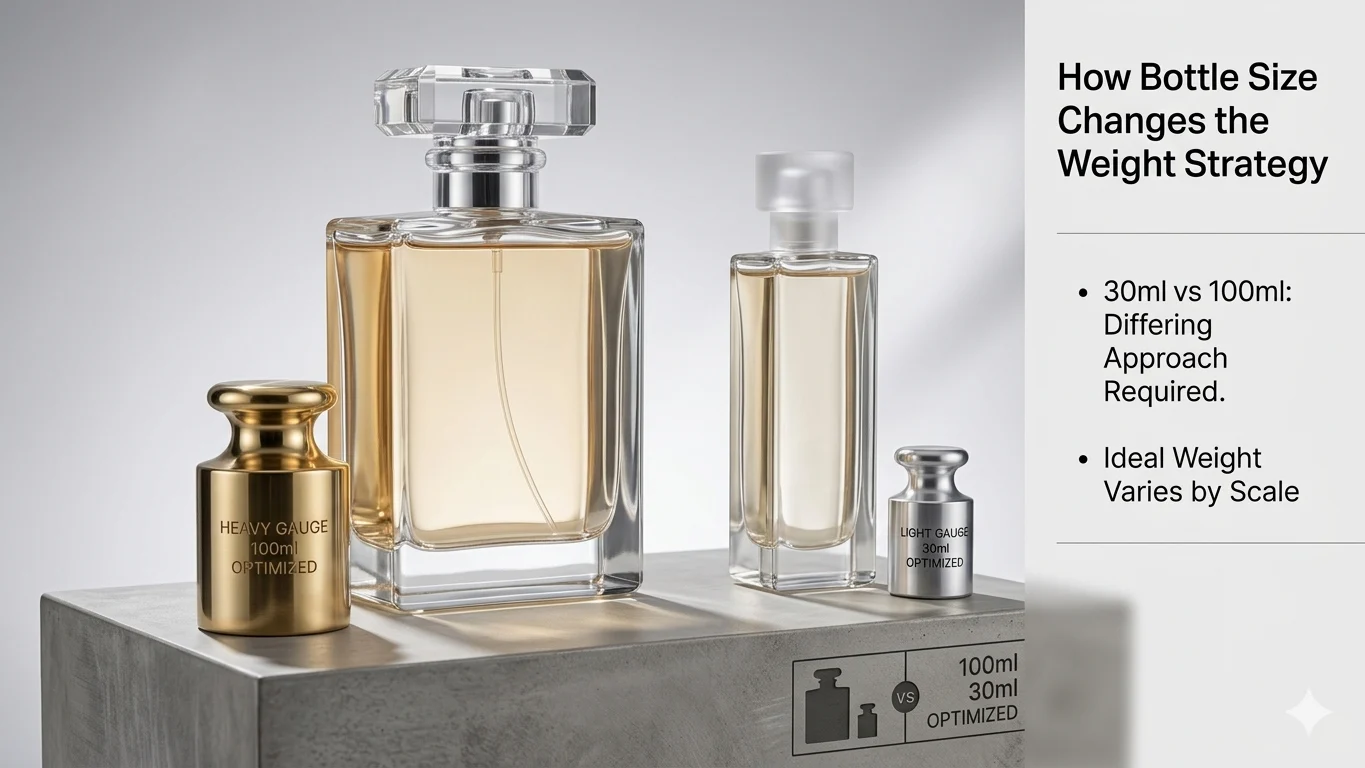
The 30ml Bottle: The “Jewel” Approach
Small bottles naturally weigh less because they contain less liquid volume.
This means brands often need to compensate elsewhere if they want the product to feel premium.
For luxury 30ml bottles, it is common to:
- increase the push-up base thickness
- use denser high-flint glass
- and add a heavier cap material
The objective is usually to create a compact but dense feel, almost like a small luxury object.
Without this balance, smaller bottles can quickly feel too light relative to their retail price.
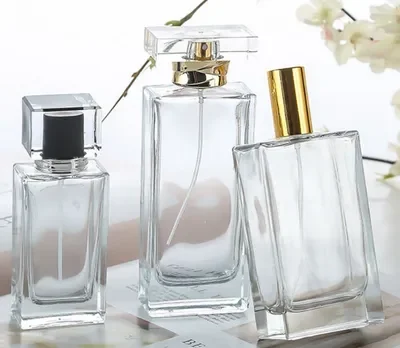
The 100ml Bottle: The Architectural Approach
Large bottles already contain significant liquid weight.
If the glass walls and base become too thick, the bottle can become awkward to hold and difficult to spray comfortably with one hand.
Therefore most brands must play a balancing act of enough weight without creating an unwieldy bottle. A heavier bottle often:
- improves balance
- lowers the centre of gravity
- prevents tipping
The result is usually a bottle that feels heavy and premium without becoming uncomfortable during use.
The 50ml Bottle: The Balance Point
The 50ml format is often considered the most balanced size for niche fragrance brands.
It allows:
- substantial glass weight
- comfortable ergonomics
- good shelf presence
- and strong luxury perception without becoming impractical
This size works particularly well with:
- thicker sidewalls
- pronounced push-up bases
- and heavier cap materials
It is one of the easiest formats to balance correctly.
Why Niche Fragrance Packaging Feels Different
Niche fragrance packaging is usually designed with a different set of priorities compared to mass-market fragrance packaging.
The emphasis is often placed on:
- material quality
- tactile perception
- weight distribution
- optical clarity
- and presentation
This is why niche fragrance bottles often use:
- thicker glass walls
- deeper push-up bases
- high-flint glass
- and heavier caps
The packaging itself becomes part of the luxury positioning.
The Cap: The Most Overlooked Part of Luxury Packaging
A heavy bottle combined with a lightweight cap immediately creates imbalance.
This is one of the fastest ways for luxury packaging to feel inconsistent.
In premium fragrance packaging, the relationship between bottle weight and cap weight is extremely important.
Luxury brands commonly use:
- Zamac caps (heavy zinc alloy)
- magnetic closures
- plastic or aluminium caps with weighted inserts inside
- or thick metal shells to create a heavier feel in the hand
These materials create a denser and more satisfying opening experience.
Even the sound of the closure matters. A magnetic closure with a clean, heavy click creates a very different perception compared to a lightweight plastic cap.
Final Thoughts
Perfume bottle weight is not accidental.
Glass thickness, push-up base depth, clarity, and cap weight are usually engineered according to the intended retail positioning of the fragrance.
A luxury fragrance bottle needs to feel balanced, substantial, and refined in the hand without becoming unnecessarily heavy or impractical to use.
At Anisha, we help fragrance brands develop luxury perfume packaging using the correct glass specifications, materials, and structural standards for their target market.
Whether you are launching a niche fragrance brand or refining an existing product, selecting the right bottle weight strategy can significantly influence how the final product is perceived.
For more educational content about perfume packaging design check out the Anisha Youtube videos.
FAQS
Why are luxury perfume bottles so heavy?
Luxury perfume bottles are intentionally designed to feel heavier because weight influences how customers perceive quality and value. Premium fragrance brands often use thicker glass walls, deeper push-up bases, and denser materials such as high-flint glass to create a more substantial feel in the hand.
However, luxury bottle design is usually about balance rather than simply adding more weight. Excessively heavy bottles can become uncomfortable to hold, particularly in larger 100ml formats. Most luxury packaging focuses on controlled weight distribution instead.
What is high-flint glass in perfume packaging?
High-flint glass is a premium type of glass commonly used in luxury perfume bottles. Compared to standard cosmetic glass, it offers:
- higher density
- greater optical clarity
- improved brilliance
- and a heavier tactile feel
This type of glass is often preferred in niche fragrance packaging because it creates a cleaner, more refined appearance with less visible tinting around thicker areas of the bottle.
What is a perfume bottle push-up base?
A push-up base, sometimes called a punt, is the thick glass section underneath a perfume bottle. It is commonly used in luxury fragrance packaging to:
- increase stability
- improve weight distribution
- create a more substantial feel
- and visually elevate the fragrance inside the bottle
Many premium perfume bottles concentrate weight in the base rather than excessively thickening the entire bottle.
Does thicker glass make perfume bottles more durable?
Thicker glass can improve durability and reduce the likelihood of breakage during handling or shipping. It also creates a denser and more stable feel in the hand.
However, durability also depends on:
- glass quality
- bottle shape
- cooling consistency during production
- and manufacturing precision
Poorly distributed glass thickness can still create structural weak points even in heavier bottles.
What is the ideal glass thickness for a luxury perfume bottle?
The ideal glass thickness depends on the bottle size and market positioning.
Luxury perfume bottles commonly use:
- sidewall thicknesses between 4mm and 6mm
- push-up bases between 15mm and 20mm
Niche and ultra-premium fragrance bottles may use even thicker specifications depending on the desired tactile feel and packaging concept.
Why do niche fragrance bottles feel different from mass-market bottles?
Niche fragrance packaging is usually designed with greater emphasis on tactile perception, material quality, and visual clarity.
Compared to mass-market perfume bottles, niche fragrance bottles often use:
- high-flint glass
- thicker sidewalls
- deeper push-up bases
- heavier caps
- and more balanced weight distribution
These details create a more architectural and premium feel, which supports higher retail price positioning.
Does cap weight matter in luxury fragrance packaging?
Yes. Cap weight is extremely important in luxury perfume packaging because it affects the overall balance of the product.
A lightweight plastic cap on a heavy bottle can make the packaging feel inconsistent or less refined. Luxury fragrance brands often use:
- Zamac caps
- magnetic closures
- weighted metal shells
- or heavy internal components
to create a more substantial opening and closing experience.
Last Updated on 21 June 2026