
How Can I make a Custom Cap Design and who can help me?
Custom perfume cap manufacturer services are essential when creating distinctive fragrance packaging that reflects your brand identity.
Are you looking for a company that can make custom perfume caps? If so, look no further.
The Anisha team specializes in developing innovative custom perfume caps tailored to your brand’s requirements. Unlike many other companies, we understand the unique properties and manufacturing considerations of a wide range of materials, helping you achieve the best possible design.
Our perfume packaging design team has extensive expertise in selecting and combining materials to create high-quality, functional, and visually appealing perfume caps.
How can you make a custom perfume cap, and what material options are available?
These are the questions we will address in this guide to help brand owners make informed decisions when developing new perfume caps for their fragrance brands
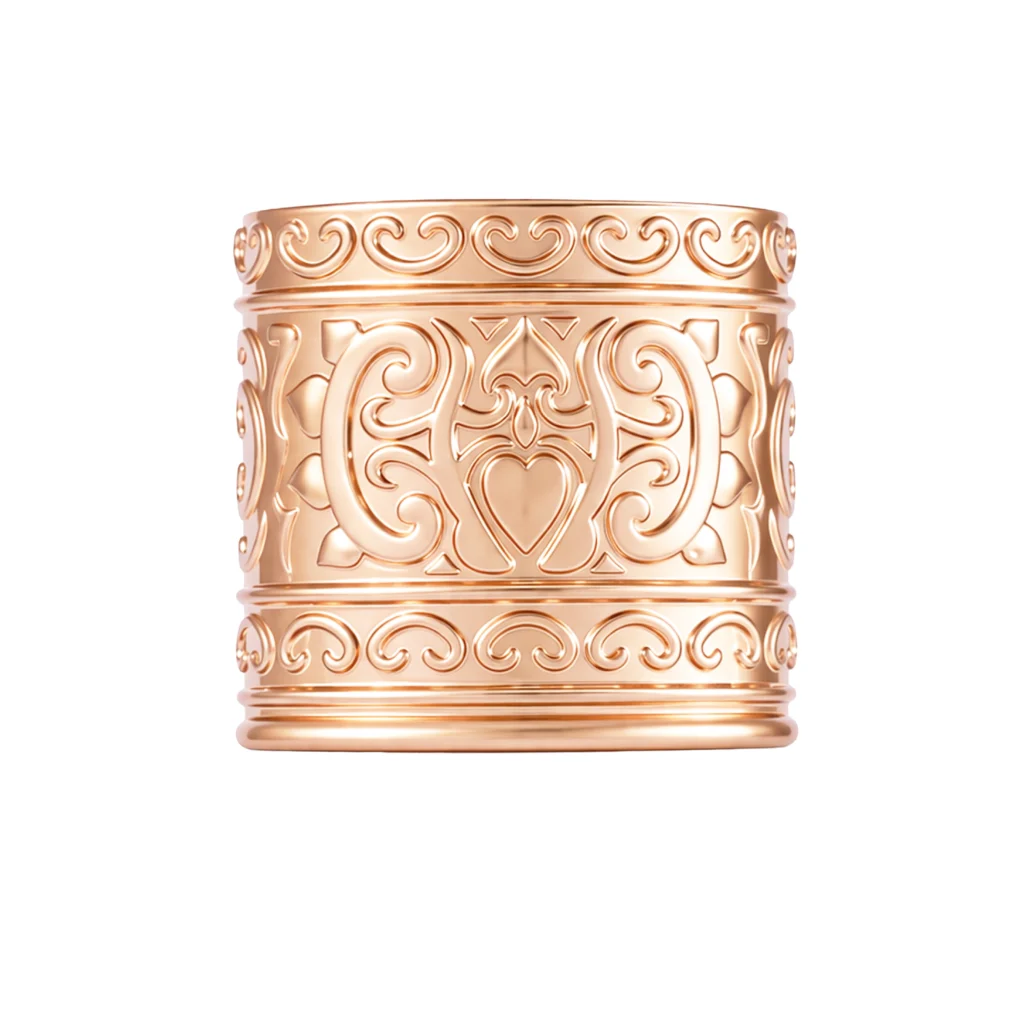
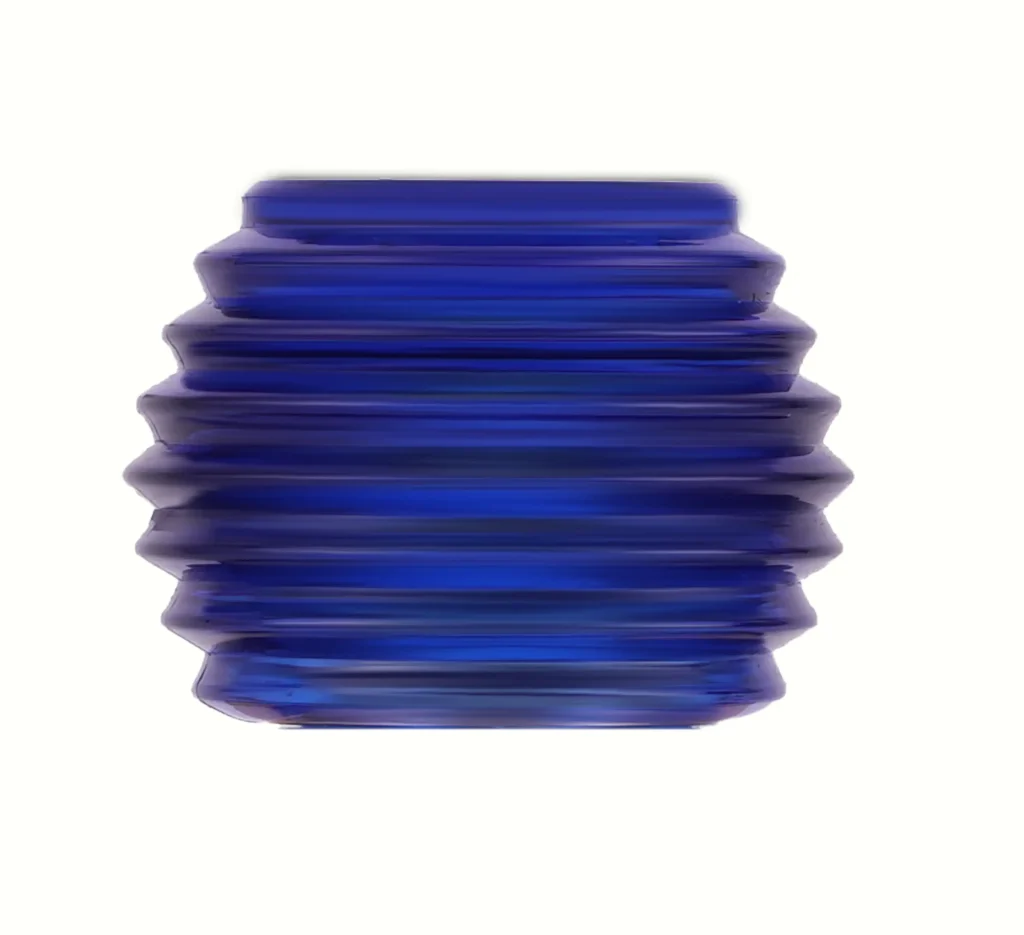
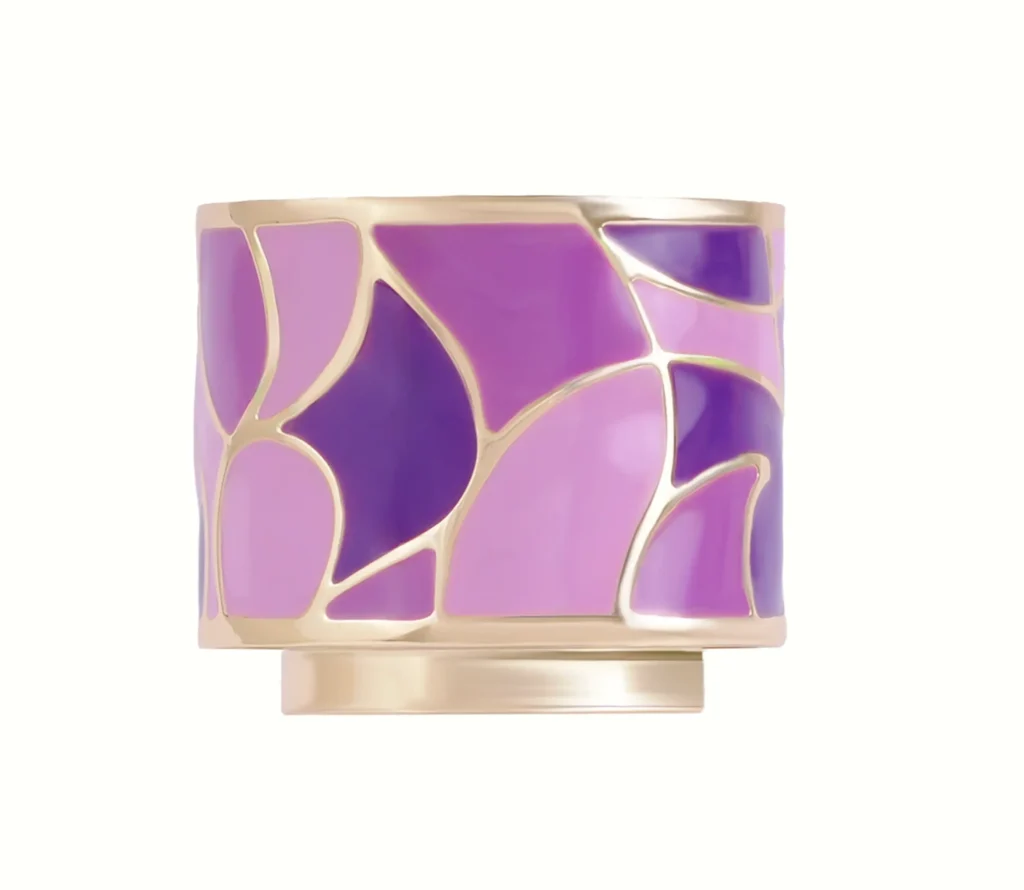
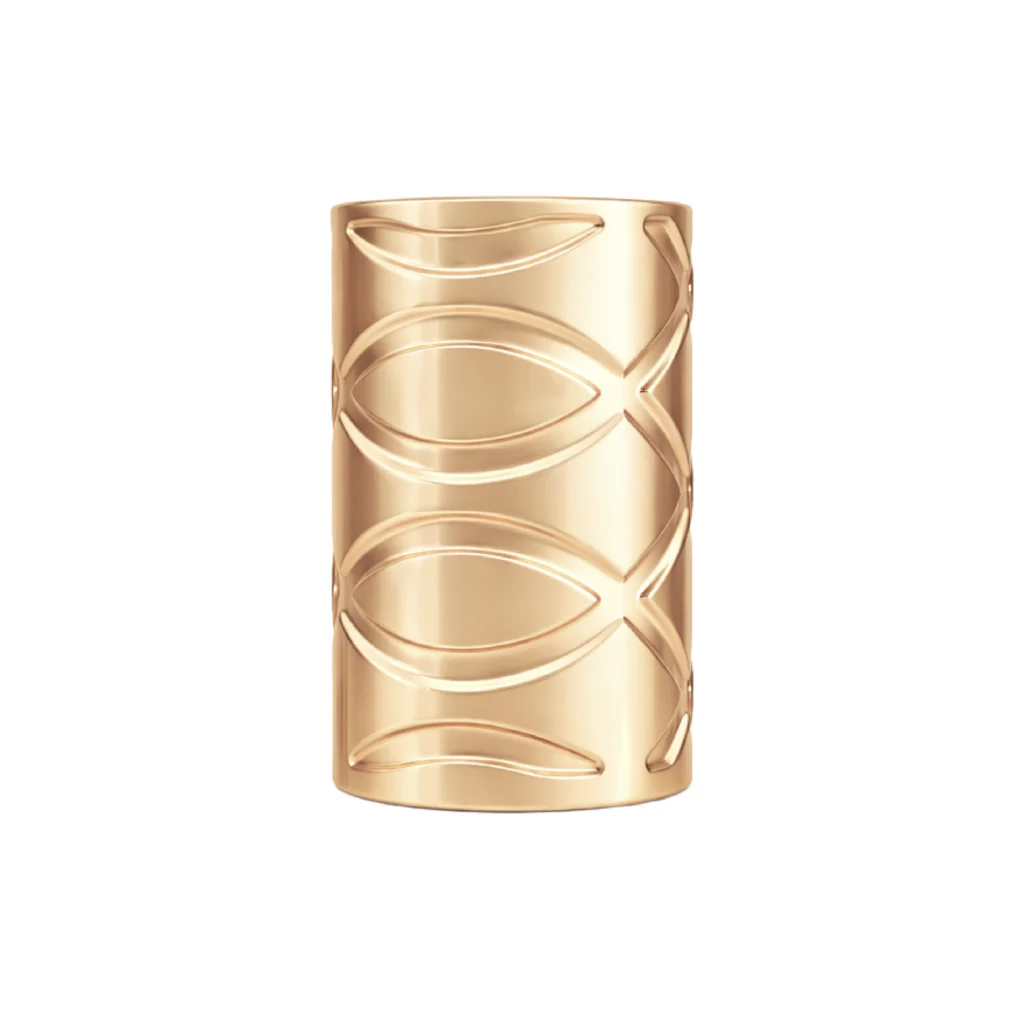
What Material Options are Available for Custom Perfume Caps?
The material options for custom perfume caps are as follows:
- PP plastic
- ABS plastic
- K resin
- Stone and marble
- Acrylic
- Surlyn
- PS plastic
- Bamboo
- PC or Polycarbonate plastic
- PVC
- Aluminium
- Glass
- Wood
- Zamac
- Cork
- Ceramic
- Bio degradable plastics
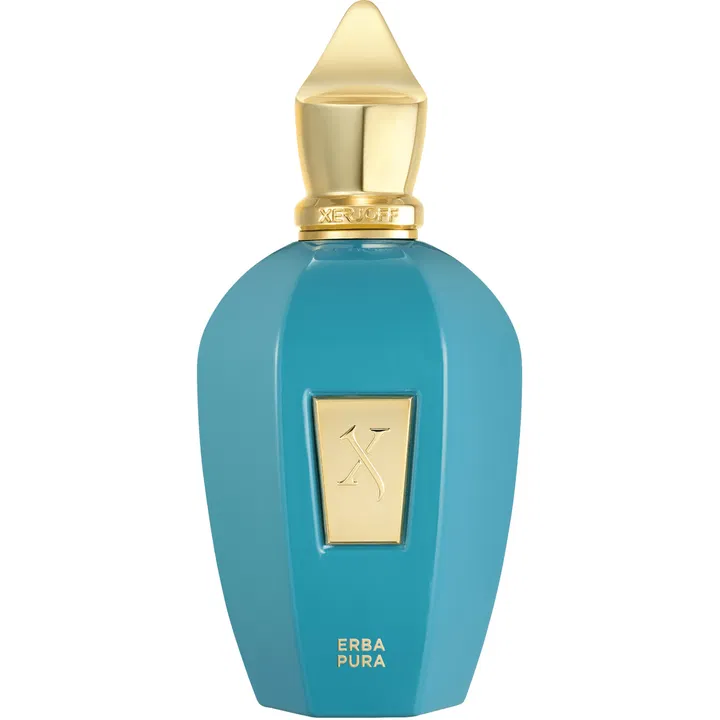
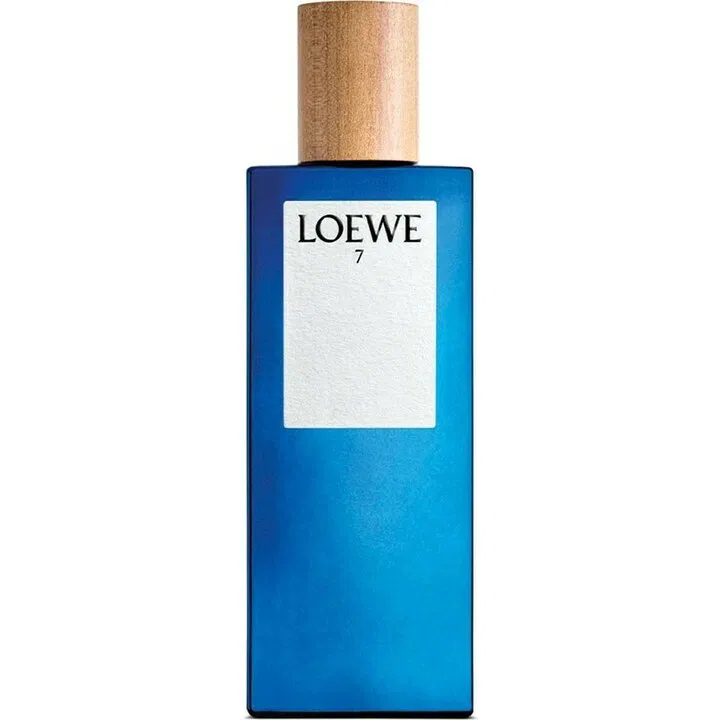
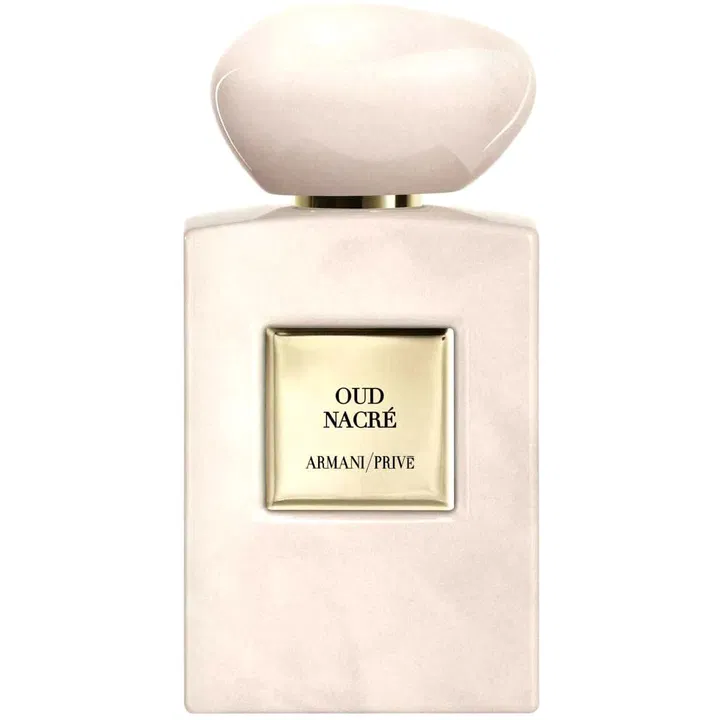
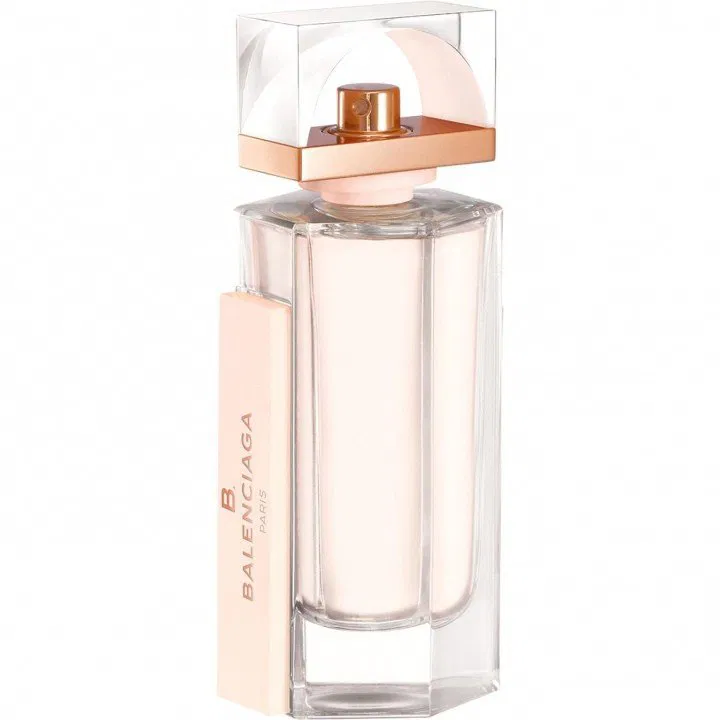
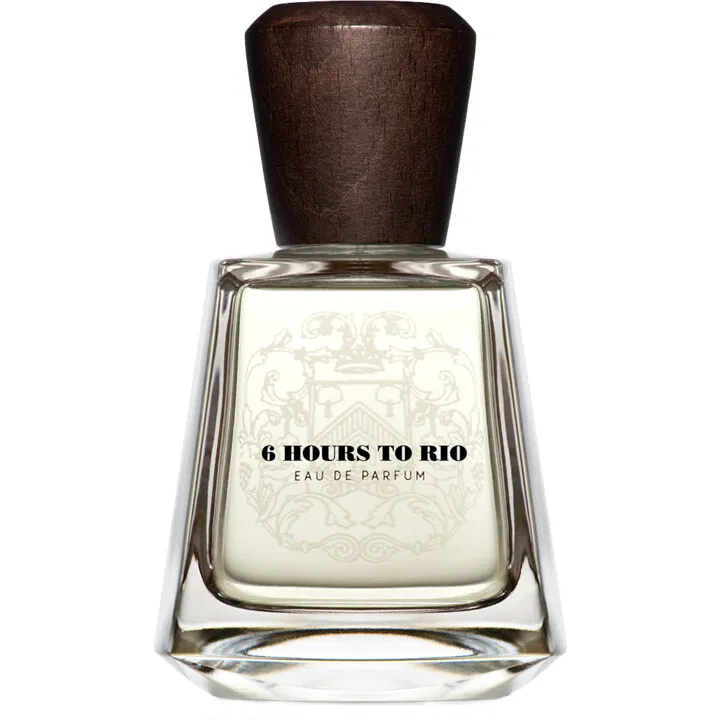
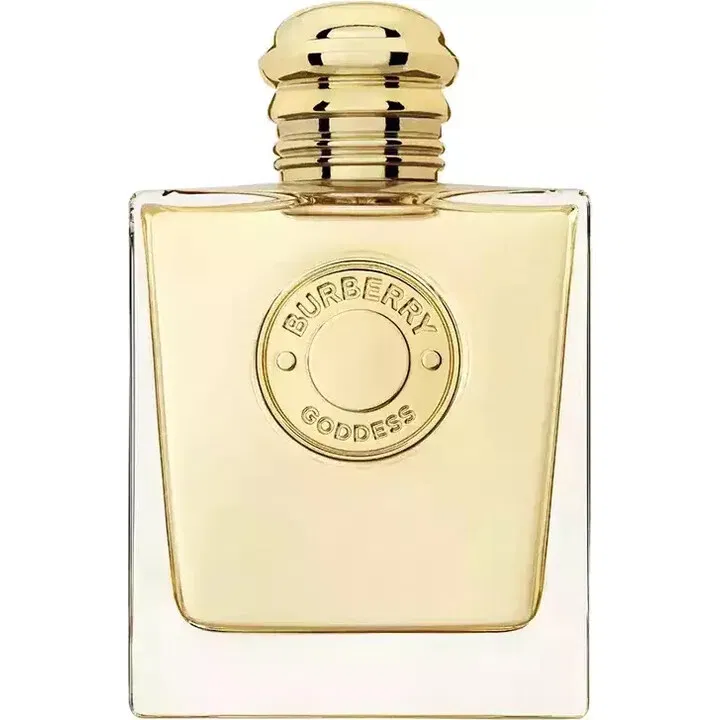
How Different Materials Are Used for Your Custom Perfume Cap
Material selection is a commercial and structural decision and one of the most important decisions you make when deciding how to make a custom perfume cap.
1. ABS (Injection Moulded)
ABS is widely used for commercial cap design for perfume.
Characteristics:
- Rigid material suitable for larger outer caps
- Compatible with electroplating
- Good dimensional stability
Considerations:
- Can be prone to cracking if not electroplated
- Perfume exposure may affect raw ABS over time
- Tooling cost is not necessarily lower , as mould complexity drives cost
ABS remains practical for large production volumes and outer decorative caps.
2. Zamac (Zinc Alloy Die Casting)
Zamac is commonly used for weighted caps.
Characteristics:
- High density
- Clean detailing through die casting
- Strong surface finishing compatibility
Considerations:
- Heavier shipping weight
- Plating quality control is critical
- Requires proper internal liner integration
Recyclability improves if internal PP liners can be separated from the outer metal cap.
Zamac is a metal alloy composed of multiple materials and is not recyclable. It is selected for structural stability and tactile weight, though not for emotional “authenticity”.
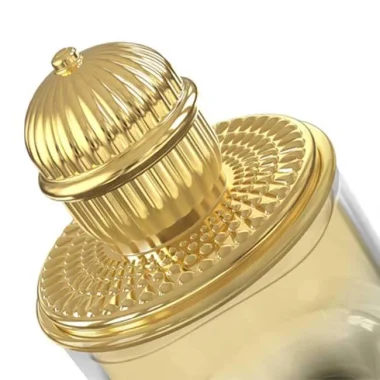
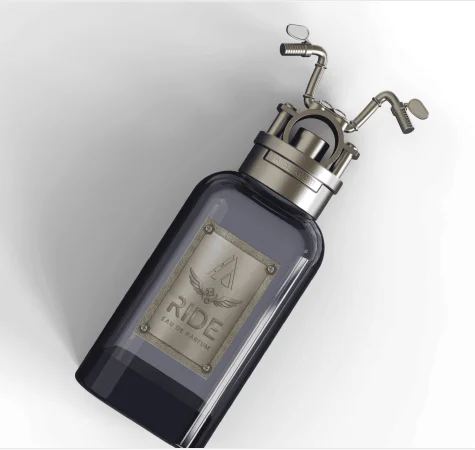
3. Injection-Moulded Aluminium
Aluminium caps are used where metallic appearance and corrosion resistance are priorities.
Important clarification:
Aluminium injection moulding generally involves higher mould investment compared to zamac.
Advantages:
- Lighter than zamac
- Corrosion resistant
- Anodised finishes available
- Strong export suitability due to weight reduction
Material selection must align with positioning, production volume, and market region.
Magnetic Cap Systems: Practical Considerations
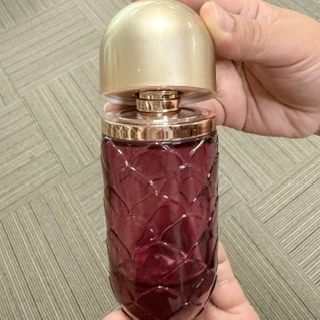
Magnetic caps are increasingly used for improved user experience.
A well-known example is Bleu de Chanel, which integrates magnetic closure for consistent cap positioning.
However:
- Not all magnetic systems require axial logo alignment
- Many only require stable collar-to-cap seating
- Magnet strength must be calibrated appropriately
- Some applications require polarity control
- Excessive magnetic force can create handling issues
Magnetic systems increase complexity and must be validated during production trials.
Select Your Pump and Neck Type for Your Custom Perfume Cap
Most commercial fragrance pumps use three standard sizes:
- 15mm
- 18mm
- 20mm
These are sizes, not finishes.
15mm is by far the most widely available and commonly used in commercial fragrance.
Each size requires a different internal cap geometry, as a cap cannot be designed generically and adjusted later.
Most internal cap measurements are designed to fit a 15mm neck with an aluminium smooth collar. They typically have grooved ribs inside the polypropylene (PP) liner to ensure a secure friction fit.
If you plan to use a plastic or metal collar on your bottle, standard caps will not fit correctly, as the internal measurements will be incompatible.
The internal dimensions must correspond to the selected pump size and neck configuration from the beginning.
Changing pump size after cap development increases cost, delays tooling, and creates compatibility risks.
The Advantages and Disadvantages of Different Materials in Perfume Caps
The material we choose for a custom perfume cap will depend on the use and the price point of the project.
- Easily broken materials: Some materials like PS, PVC, ABS and Acrylic can break easily when they come into contact with perfume and alcohol.
- ABS plastic is a mainstay of many perfume projects, as it is highly rigid, keeps its shape well. and is inexpensive. However it needs to have a pp liner inside it between the bottle and the ABS to ensure there is enough flexibility for bottle variance.
- Aluminium is a great material for recycling. However, in custom perfume caps it is not so eco friendly, as we need to glue pp inserts inside the material and it is not easy to remove this for recycling.
- Zamac alloy is a mixture of several materials which form a hard metal when injected into a mould. We can buff it to remove any hard lines and surface residues. The next process is electroplating to ensure beauty and durability. Zamac material is not recyclable, as it is a combination of metals.
- Glass caps give a touch of luxury to any project. As glass material is very hard, it is necessary to combine with with a flexible plastic such as pp or silicone in order to make it grip well around a perfume pump.
- Surlyn plastic by Dow is a worldwide mainstay of perfume packaging. Did you ever see plastic caps which are extremely transparent like glass? Then you have experienced surlyn material, which is very popular for perfume caps worldwide.
- We can mould K resin or shape it with a CNC machine (many European suppliers do this) to create an exciting custom perfume cap shape which may not be possible with injection moulding.
- Biodegradable plastics are available nowadays which will compost naturally in the soil, as well as looking luxurious on the perfume packaging.
Natural cap options
- Wooden caps are a great option for custom perfume projects where we need an authentic, natural theme. Wood feels warm in the hand and has subtle texture. This creates a more intimate consumer interaction. Wood can be dyed and varnished and needs a special coating to prevent damage from perfumes. Not all wood is sustainable, as it depends on the area where the supplier buys its wood and their sourcing policy.
- Cork has similar advantages to wooden caps, but it is more fragile and prone to breakage. Cork grows back easily, so it can be seen as a very sustainable cap option.
- Bamboo is also a fast growing and natural material. However, it is difficult to make a bamboo cap out of one sheet of bamboo. Slithers and slices of bamboo are cut and then glued together to form perfume packaging. For this reason bamboo packaging is not fully biodegradable.
- Ceramic perfume caps are sometimes made for special projects. They are quite fragile, so need to be over moulded with clear plastic in order to become unbreakable.
- Stone and marble caps have become more popular for niche brands in recent years. The price is very high and each one is slightly different due to the natural materials used. Each piece takes a long time to cut and is very expensive.
Correct Fitment is Vital for Your Custom Perfume Cap
A cap must do three things consistently:
- Fit the selected pump size correctly
- Protect the actuator without triggering spray
- Remain secure during shipping and retail handling
When caps are incorrectly engineered, common failures include:
- Caps too tight or too loose
- Actuator being pressed when the cap is placed
- Spray malfunction
- Caps dislodging in transit
- Perfume collar may detach easily when removing the cap due to poor fit
This is not aesthetic failure, but it is functional failure.
Good perfume packaging design has to take the following into consideration:
- Pump size
- Neck type (crimp vs screw)
- Glass bottle variance
- Controlled friction or snap engagement
- Machine consistency and quality control during production
Most mould makers ensure the tooling follows approved drawings.
However, final accuracy also depends heavily on machine operators and in-line quality control teams producing the correct dimensions consistently.
It is about purpose, function, fitment and price.
Regional Considerations: Middle East and Europe
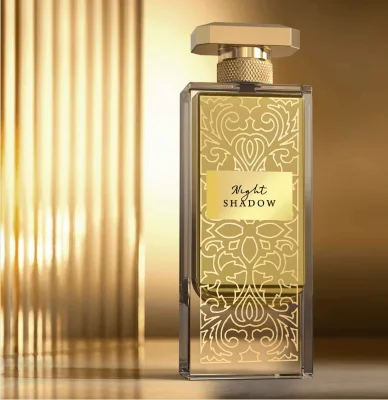
There is no universal shift in custom luxury perfume cap design.
There is market preference.
Middle East:
- Flamboyance remains strong
- Decorative metals and bold finishes continue to perform
- Minimal designs are growing within niche segments
Europe:
- Historically controlled and geometric
- Gradual overlap with more expressive detailing
- Still generally restrained
Today, there is greater overlap between markets.
Brands may adjust cap styling based on target geography and retail environment.
Custom luxury perfume cap design must reflect where the product will be sold, but also the brand’s identity.
Refillable Systems: Friction, Not Click Lock
There is confusion around refillable perfume caps.
Most refillable pumps do not include groove systems for snap locking.
Instead, they rely on controlled friction. This approach is an important aspect of Perfume Bottle Design, as precision and durability must work together.
This means the cap must:
- Provide sufficient grip to stay secure
- Avoid excessive tightness that damages the pump
- Maintain consistency over repeated removal cycles
- Protect surface finish during long-term use
Refillable engineering is not decorative.
It is durability-based. Brands including Dior and Guerlain have implemented refill systems in selected lines, but the technical technical complexity lies in the interaction between the cap and pump.
What are the Stages of Perfume Cap Design?
The stages you need to take into consideration for your new perfume cap design are as follows:
- Research and evaluation. Take into consideration the requirements of your bottle and/or collar. For example, some bottles may have a curved area around the neck, so the cap cannot be very wide at the opening, unless we fit an additional step collar.
- Design and concept creation. Fit the perfume cap design to the theme or concept of your perfume. The personality must fit the style of your perfume packaging and the target market preferences. Sketch out options with the existing perfume bottle in mind to see what will work best.
- Next we evaluate the designs sketches and evaluate the pros and cons of each one Which material would work best for each one and how would we be able to bring this new idea to life?
- Modelling comes next for a new custom perfume cap. We must use an engineering software which enables precision measurements and weight calculations.
- We make renders and lifelike visualisations so that everyone can understand the cap well. We must see it from different angles to get the best understanding.
- 3D prints are an important next step. We have 3D printing machines which can generate 3D prints quickly in different materials. It is easier to understand a new custom cap design if you can hold it in your hand and put it on your bottle.
What Happens Next after the Design is Approved?
- If the client likes the 3D prints and designs, then the next stage is to get quotations for the cap. Also at this stage we decide on the exact surface finishes and colours to use. We discuss the projects with the suppliers who we think have the best capability for the price point and quality requirement.
- Once we have finalised the quotations and have agreed prices we move on to making a mould of the new perfume cap design. It is not like making a pilot mould for a glass bottle. Once you make an injection mould for a perfume cap, then this is final and there is no opportunity to make further changes.
- We obtain cap samples from the new injection mould and arrange for decoration with the finishes and colours which the client has requested.
- After the client has approved the pre production samples, we organise the first order production, ensuring that the supplier has all necessary information.
- We send the new custom sample production to the client after the necessary quality control checks have been made.
Common Development Mistakes
Recurring issues in fragrance packaging commercial projects include:
- Designing caps before finalising pump specifications
- Ignoring interaction between glass, pump and cap
- Not testing friction performance for refillable systems
- Underestimating plating quality control
- Failing drop testing with weighted caps
- Ignoring heat impact during shipping
- Not testing the force required to remove the click fit cap
- Not matching the weight of the cap to the price point of the perfume and target market
Heat exposure is not limited to Dubai retail conditions. Temperatures inside shipping containers can affect:
- Adhesives
- Plating stability
- Plastic expansion
Material validation must account for transit conditions and not only showroom display.
Conclusion
When deciding how to design a custom luxury perfume cap, it is important to understand that is it not all about decorative detailing.
It is a functional system that must integrate:
- Pump size compatibility
- Neck configuration
- Material behaviour
- Production consistency
- Market expectations
If engineered correctly, then it prevents operational failure. When overlooked, it creates returns, instability, and reputational damage.
We have made guides on custom perfume packaging and our complete guide on perfume packaging to help people who want to start their own perfume brand. Our team are ready with a cup of tea and advice for anyone who wants some advice on starting their own brand. Feel free to contact us to arrange a face to face no obligation meeting to see how we can help bring your dream to reality.
Our team coordinate pump specifications, approved drawings, tooling, production and quality control as an integrated process.
Because in fragrance, system integrity starts at the top , with the cap.
Latest Update : 26 June 2026