
Why it Matters Which Contract Manufacturer You Choose
Launching a perfume brand in 2025 feels exciting, doesn’t it? Fragrance is one of those industries where creativity meets business head-on. But here’s the truth no one likes to say out loud: the best private label perfume suppliers for startups aren’t the ones promising the cheapest prices or the smallest minimum orders. They’re the partners who help you scale with confidence, avoid rookie mistakes, and make sure your bottles don’t just look good but survive in the real world.
We’ve been in this industry for more than 20 years. We’ve worked with many different types of company from small start ups to huge perfume companies. We’ve seen brilliant ideas collapse because pumps leaked in transit. We’ve seen other founders succeed because they partnered with the right supplier who understood the small details.
And that’s what this article is really about: helping you see what matters when you choose a supplier, and showing you how to partner with the right private label supplier.
Why the Best Private Label Perfume Suppliers Matter More
Everyone falls in love with their fragrance idea. That’s normal. You spend weeks developing an oud blend or an amber-rose fusion, and it smells divine. But let me be blunt: fragrance alone won’t carry your business.
Ask yourself: what happens if the bottle is too light? What if your pump sprays in uneven spits? What if the cap feels like cheap plastic? The customer doesn’t blame the pump factory,they blame your brand.
That’s why the best private label perfume suppliers for startups aren’t just bottle vendors. They’re silent business partners, the people who protect your reputation. They check the perfume quality, ensure it is properly filtered and macerated. They check the fitment of the packaging elements and make quality inspections of the goods shipped to them.
Contract fillers with Very Low Minimum Order Quantities
Why it may not be the best option for you:
A lot of small factories in Dubai lure startups with offers like “500 bottles minimum.” Sounds tempting, right? Test the market without big risk. But in practice, it rarely works.
Here’s why:
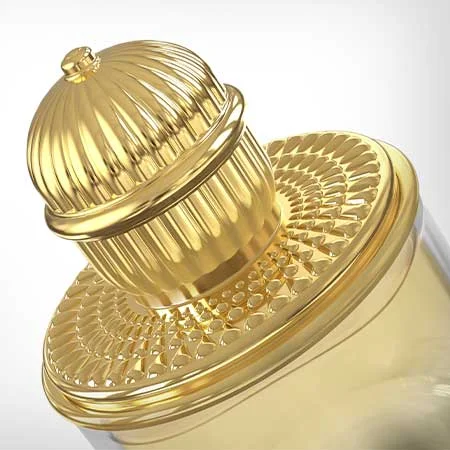
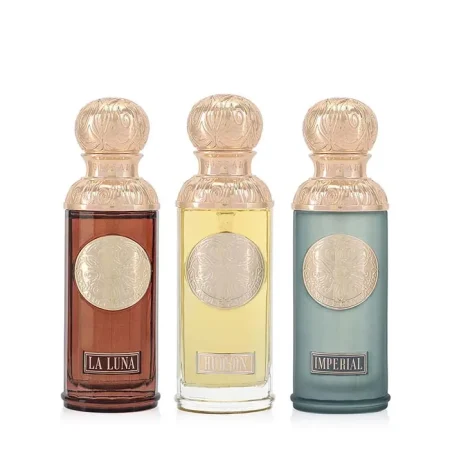
- You will be using the same bottle as your neighbour. The supplier has purchased maybe 30 to 50k bottles. So if you are buying only 500 or 1000pcs then at least 60 to 100 people in the market will have the same bottle. The same will go for the cap you use. Do you want to look like everyone else or look a bit different? What will be your unique selling point and differentiation?
How Do I know Which Contract Manufacturer is a Good Fit For Me?
It is very difficult to know for sure which contract manufacturer will really be the best for you. In reality, there is a balancing act between price, quality and lead-time. If you have a rock bottom budget, then there are chances that there will be a payoff somewhere along the line. At the end of the day, the manufacturer must earn some money from the venture and if you squeeze prices too hard, then quality will suffer. What questions should you ask to ensure a good fit?
- Ask which clients the private label supplier works with. And do not just take their word for it, ask around in the industry
- Pose questions about their MOQs
- Ask which quality of alcohol they are using : French, Indian or Chinese?
- What certifications do they have ? : for example GMO or ISO. Do they comply with IFRA?
- How do they conduct quality control? Drop testing, leak testing, spray testing, carton testing?
- Do they check that incoming received materials are the same as pre-production benchmarked packaging materials?
- Can they support international export documentation such as EU, GCC, US or UK requirements?
- Ask if they can support additional packaging requirements like sticking something onto a bottle or hanging an accessory around the neck?
- Find out what happend if a batch fails : Who pays and what is the structure for replacement or crediting?
- It is usually advisable for a startup to ask who owns the designs which are created
- Ask questions about the private label supplier’s capability to scale up with bigger volumes in case your brand grows quickly
- It is important to understand the lead times well. Promises are easy to give, but difficult to keep. Talk about penalties in case of long delays
- Ask what happens to spare perfume which may be left over at the end of manufacture. A nightmare for any brand is finding that their perfume has been dosed at a lower percentage and the contract filler has siphoned off perfume to use for its own perfumes.
At Anisha International, we made a conscious decision:
- We don’t chase 500–1000 pcs private label projects.
- We start at 10,000+ standard bottles or custom bottle projects.
- We charge a small onboarding fee for new clients, which is refunded with your first order.
- Our design services are built into supply markup, so you’re not so financially stretched.
- If you buy a bigger quantity of packaging – let’s say 10,000pcs instead of 2000pcs, the unit cost will be much lower.
- Each perfume creation requires huge effort and work hours for the design team. The time to create the actual design is just the start, our development team also spend considerable time in sampling. With very small runs, the creative time invested in concept development and sampling often is more expensive than the price that can be charged to the client. Our business model works on a mark up on packaging. We do not charge huge up front design fees.
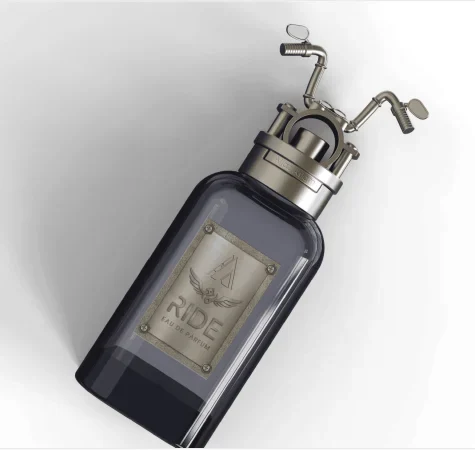
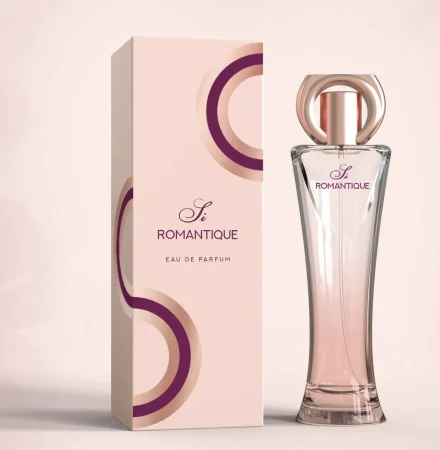
- Packaging quality: At 500 pcs, all options default to off-the-shelf bottles and pumps kept in stock. While functional, they don’t capture the distinct brand identity that startups usually want to build. They cannot be customised and may not always be a perfect fit.
- Margins & efficiency: On very small volumes, the markup that covers sourcing, design coordination, and quality checks becomes disproportionate. It pushes per-unit costs higher without giving you the long-term value that larger, well-planned runs deliver.
- Therefore you will buy a lot more units for almost the same total cost.
Why? Because we’re not in this for one-off small jobs. We want to help you build a fragrance brand that lasts.
Key Components of the Best Private Label Perfume Suppliers
When you think “perfume supplier,” it’s easy to picture fragrance oils. But oils are only one piece of the puzzle. After 15 years, we’ll tell you what really makes or breaks your launch:
Glass Bottles
A bottle says everything before the first spray. Clear, frosted, tinted, or custom-molded,the weight alone tells a customer if it’s luxury or cheap.
Caps & Collars
Caps add weight and prestige. Collars lock the mechanism. If either fails, your product feels amateur.
Pumps & Sprayers
A mist that spits instead of spraying evenly will destroy customer trust. Pumps are often overlooked, but they are the heart of the experience.
Boxes & Labels
First impressions matter. Boxes need to protect, but also impress. Labels should survive heat, moisture, and handling. If they peel, your brand loses face.
Body Spray Packaging
For lifestyle or youth markets, aluminum cans and durable sprayers matter. They may not feel “luxury,” but they capture volume markets and scale your business.
This is why we work as both a perfume manufacturing company in UAE and a perfume design company, because every part of the supply chain must be right.
Mistakes We have Watched Founders Make
After hundreds of projects, we’ve noticed patterns:
- Ordering too small → 1000 or 2000 pcs sounds safe, but it kills your ability to to supply in time when sales take off.
- Falling for cheap suppliers → leaks, scratches, returns.
- Over-designing → too much foiling and embossing can overwhelm the product.
- Ignoring storytelling → perfume is emotion in a bottle; packaging must carry that narrative.
- Not matching the current pricing of the market with the right product materials.
Our support helps you to avoid such rookie mistakes. We guide our clients on the cost of setting up their own perfume brand and explain the steps to take.
What Startup-Friendly Really Means
A lot of people say “look for suppliers with small MOQs.” That’s fine if you’re making perfumes as a hobby. But if you’re serious, startup-friendly doesn’t mean tiny orders. It means:
- Clarity on Costs – No hidden design fees. At Anisha the design, mockups, and consultation are included within supply, so clients see full value without surprise extras.
- Guidance, Not Just Products – We advise on practical details that make a difference, such as which glass finishes are more durable, how different pumps perform with thicker oils, and what packaging options best suit your target markets. Although we give a lot of guidance, we do not charge for the extra help and support and hand holding that we give.
- Partnership, not transaction. We begin with a small onboarding fee, which is later credited to your first order. This helps us focus on brands serious about scaling, while giving you the confidence of a long-term partner.
That’s the difference between someone who’ll answer your emails at 500 pcs, and someone who’ll help you take 10,000 bottles global.
FAQs
Q: What’s the minimum order quantity for private label perfumes?
Most UAE suppliers offer 1,000 to 2,000 units for startups.
Q: How much does it cost to launch a perfume brand?
Budget between $10,000 and $30,000 for a small launch. This covers oils, bottles, packaging, filling, and design.
Q: Can suppliers also handle body sprays?
No, not all of them. Body sprays require special machinery and compressed gas which is a safety hazard. Most perfume filling factories do not have the capability to fill aerosol cans.
Q: Do I need separate packaging partners?
No. Some private label perfume suppliers like Anisha offer packaging in-house or through close partners. Others require you to bring your own design. Not all of them offer the same quality of design, as many in house designers in UAE perfume factories are not very creative, they just know how to use the software for graphic design.
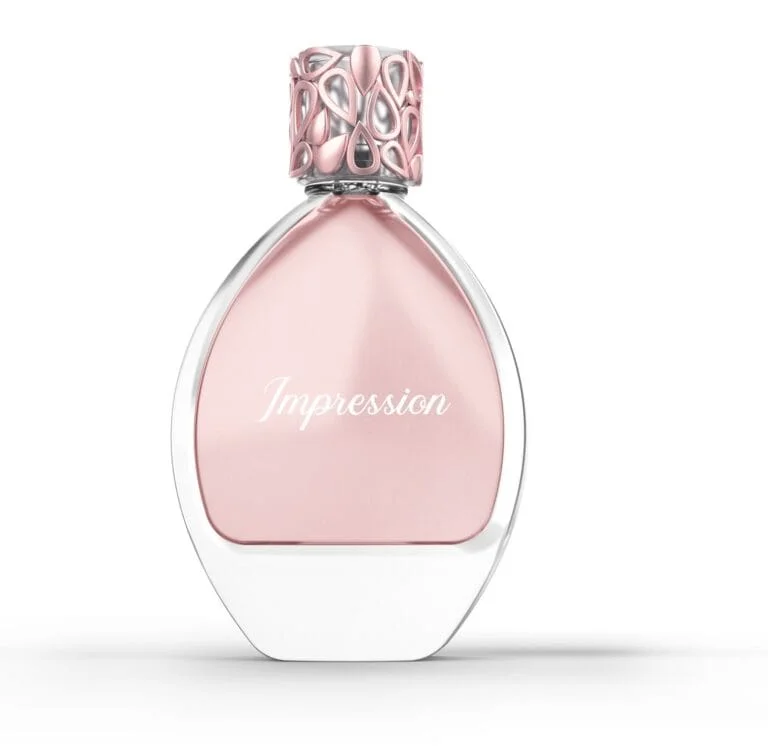
Services from the Best Private Label Perfume Suppliers
A supplier is more than a vendor. The best private label perfume suppliers for startups act like partners. Here’s what they should provide:
- Custom fragrance development: Your scent should be unique, not pulled from a stock list.
- Design consultancy: Helping you choose bottle shapes, finishes, and colors that fit your audience.
- Mockups and sampling: Test before you spend big.
- Filling services: Precision matters , bad filling leads to waste.
- Labeling & shrink wrapping: Make sure your product is retail-ready.
- Batch coding: Essential for traceability and compliance.
The Bottom Line on the Best Private Label Perfume Suppliers for Startups
After more than 15 years in this industry, I’ll leave you with this: your supplier is your silent business partner. They’ll decide if your pumps work, if your labels last, and if your bottles survive shipping. The best private label perfume suppliers for startups don’t just sell components. They protect your reputation.
If you’re ready to launch in 2025, don’t chase the cheapest quote. Don’t order too big, too soon. Choose a supplier who understands custom fragrance development, perfume bottle manufacturing in UAE, luxury packaging, and small MOQ perfumes. That’s how you move from idea to brand , without burning out in the process.
About Anisha: At Anisha Agency, we believe perfume packaging is more than bottles , it’s storytelling. For over 15 years, we’ve partnered with luxury houses, niche brands, and ambitious startups, each with a vision to stand out. Our role has always been clear: to ensure their fragrances don’t just reach the shelves, but leave a lasting impression.
If you’re searching for the best perfume design and packaging company in Dubai, let’s talk. From creative consultations and unique bottle concepts to luxury packaging that carries your brand identity, our team is ready to craft solutions that make your fragrance unforgettable.
Last post Update : 19 June 2026